Why Is My Boiler Making a Gurgling or Banging Noise?
A boiler that gurgles usually has trapped air, low pressure, or a circulation issue; banging often points to kettling, scale, or a pump fault, and any gas smell, leak, or repeated overheating needs a Gas Safe engineer. Ignoring it can leave you with no heat, higher repair costs, or a damaged heat exchanger. This guide helps you match the noise to the likely cause, the safest first check, and the right time to stop and call a professional.
Boiler noise guide
A boiler should run with a steady, low hum. A quiet whirring can be normal when heating is on, but a new, louder, or sharper noise means you should pay attention. The key is to work out where the sound is loudest, when it happens, and whether it changes with heating, hot water, startup, or shutdown.
If the noise is coming from the boiler case itself, that points to a different problem than noise in the radiators or pipework. Outdoor noise near the flue can also mean something else entirely. That split matters because it changes both the safest first check and how urgently you need an engineer.
Boiler case, pipes, or radiators
Listen first to where the sound is strongest. A case-level bang, rattle, or whistle often points to the boiler internals, while gurgling in upstairs radiators or pipework usually points to air, flow, or pressure issues. Noise outside at the flue suggests a different check again.
Startup, heating, hot water, or shutdown
Timing matters as much as location. A bang at startup can point to ignition or expansion issues, a gurgle during heating can point to circulation trouble, and a knock at shutdown often comes from parts cooling and moving. Hot-water-only noise in a combi boiler narrows the fault path further.
Loud, sudden, or worsening sounds
Sharp loud bangs from the boiler itself need checking. If the noise is getting worse, happens more often, or comes with a leak, smell, or fault code, stop treating it as a minor annoyance. That is the point to move from basic checks to a Gas Safe engineer.
Why is my boiler making a gurgling noise?
A gurgling boiler usually means air, low pressure, or restricted water movement. If the sound is in radiators or pipework, trapped air is the first likely cause. If it starts in cold weather or appears at the boiler case, condensate or pressure issues become more likely.
Trapped air in radiators and pipework
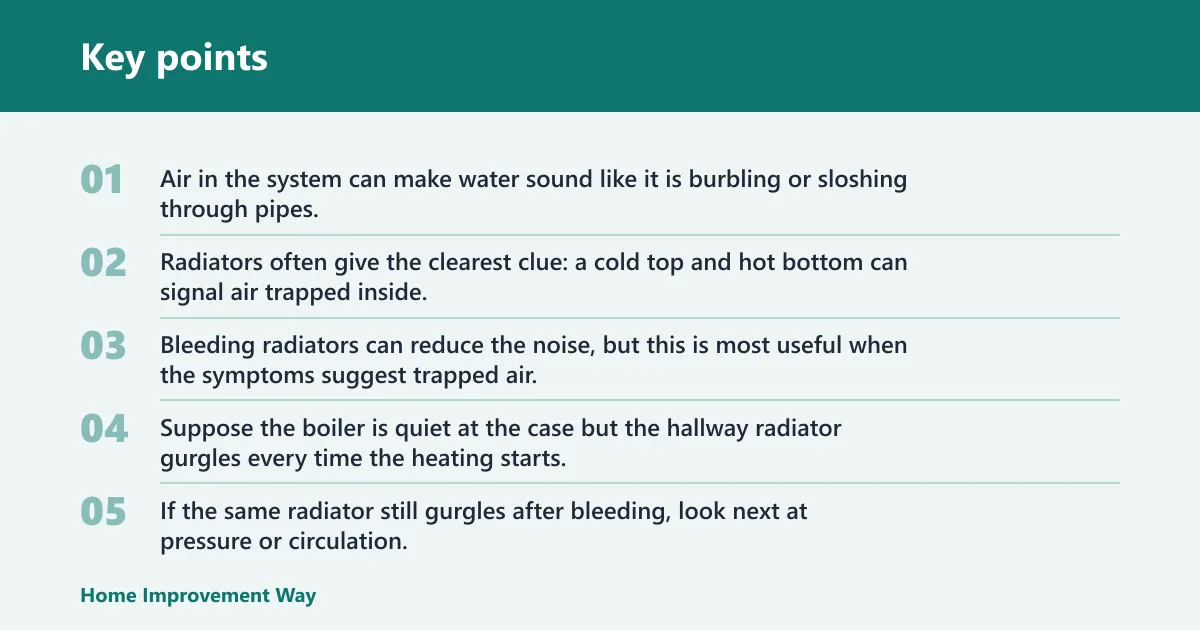
Air in the system can make water sound like it is burbling or sloshing through pipes. Radiators often give the clearest clue: a cold top and hot bottom can signal air trapped inside. Bleeding radiators can reduce the noise, but this is most useful when the symptoms suggest trapped air.
Suppose the boiler is quiet at the case but the hallway radiator gurgles every time the heating starts. That pattern points more toward air in the system than a boiler fault. If the same radiator still gurgles after bleeding, look next at pressure or circulation.
Low pressure or pressure swings
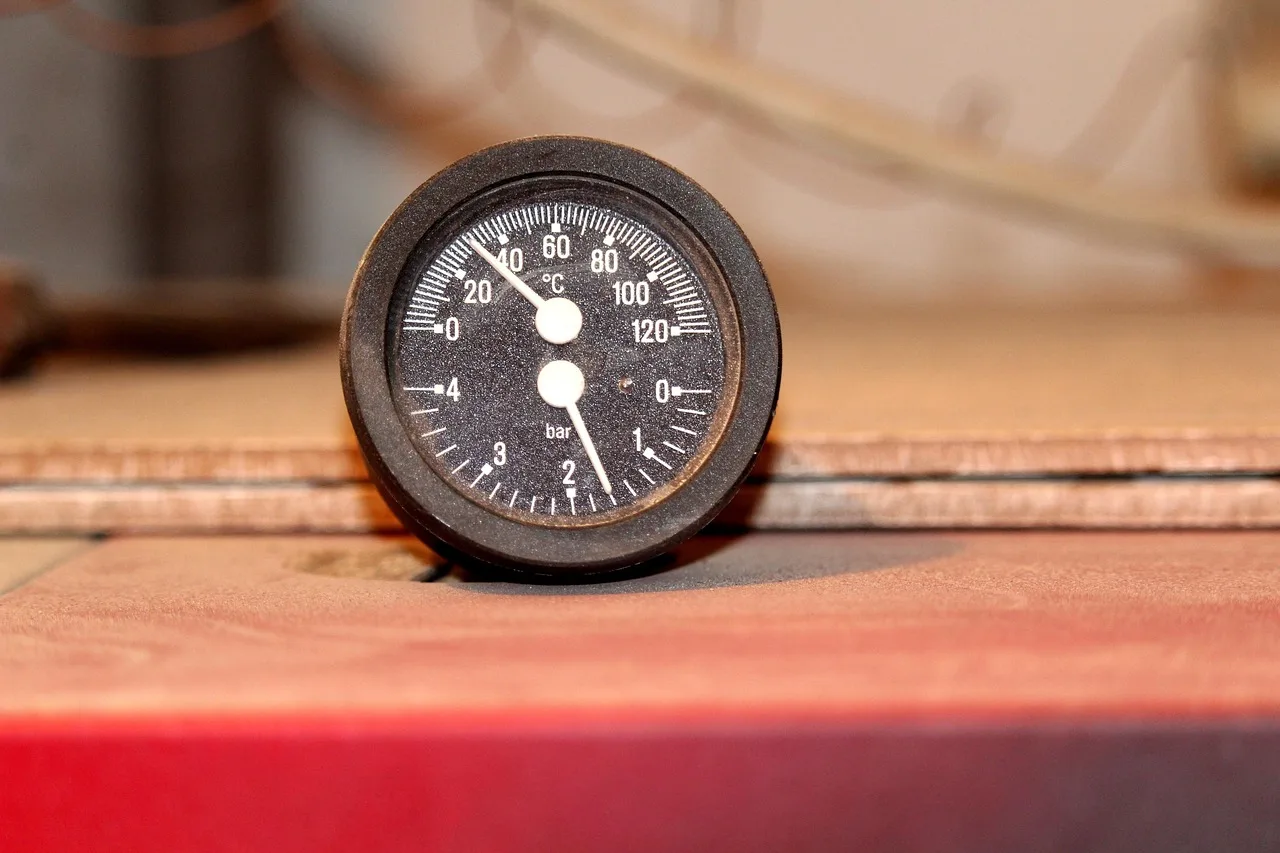
Most combi or sealed boilers should sit around 1 to 1.5 bar cold. Too low or too high can create noise, poor circulation, or both. Check the pressure gauge with the system cold, because the reading changes when the boiler is hot.
Frequent pressure drops, or pressure that climbs and then falls again, can point to an expansion vessel issue or a pressure relief valve problem. That is not a radiator-bleeding fix. If pressure keeps moving outside the normal range, a Gas Safe engineer should check it.
Condensate pipe blockage or freezing
Winter-only gurgling can come from a frozen or blocked condensate pipe. That pipe carries acidic condensate away from the boiler, and if it cannot drain properly you can hear gurgling, dripping, or intermittent shutdowns. Year-round gurgling is less likely to be a simple freeze issue.
A common first-timer mistake is assuming any cold-weather gurgle means the condensate pipe is frozen. It can also be air, low pressure, or a circulation fault. If the noise appears only in freezing weather and then clears as temperatures rise, the condensate route moves higher on the list.
Why is my boiler making a banging noise?
Banging often points to kettling, scale, sludge, or a circulation fault. The sound may seem to come from the boiler case, a nearby pipe, or a radiator when hot water suddenly meets a restricted passage. Loud banging that starts at ignition or shutdown deserves closer attention than a soft expansion click.
Kettling in the heat exchanger
Banging is often traced to kettling. When limescale or sludge restricts the heat exchanger, water can overheat in narrow passages and form steam bubbles, which pop and bang. That can damage the heat exchanger if it keeps happening.
If the boiler case itself sounds like a kettle boiling, kettling is a strong suspect. The boiler may still make hot water, but with more noise and less efficiency. That is a job for cleaning, flushing, or another professional repair, not for casing removal at home.
Sludge and limescale restriction
Sludge and limescale restrict water flow and raise noise and inefficiency. They can collect in the heat exchanger, pipework, or radiators, and they may need cleaning, flushing, or a powerflush depending on how widespread the restriction is. The more the system struggles to move heat, the more noise it can make.
If several radiators are cold at the top, slow to warm, or noisy in different parts of the house, the issue may be in the wider system rather than one valve or one radiator. That pattern often points to a circulation problem mixed with debris.
Pump, pressure, or valve faults
The circulation pump moves hot water around the system. If it hums, vibrates, or knocks, or if its speed or operation is off, it can make the boiler sound rough. Pressure that is too low or too high can add to the noise, especially when the system starts warming up.
Valve faults can also produce banging when water flow is blocked or redirected too suddenly. If the bang comes from the boiler cabinet and repeats during heating, it is safer to stop after the basic checks and book a Gas Safe engineer.
Boiler noise troubleshooting matrix
| Noise type | When it happens | Where it is loudest | Most likely cause | Safe first check | When to stop DIY and call a Gas Safe engineer |
|---|---|---|---|---|---|
| Gurgling | Heating startup or while heating | Radiators or pipework | Trapped air | Check radiator tops and bleed the air-affected radiators if needed | If it returns after bleeding or the pressure keeps dropping |
| Gurgling | Cold weather, especially at startup | Boiler case or nearby pipework | Condensate pipe freeze or blockage | Look for winter-only symptoms and check for visible external pipe issues | If the boiler keeps faulting, shuts down, or the pipe cannot be cleared safely |
| Banging | Heating or hot water demand | Boiler case | Kettling from scale or sludge | Read the pressure gauge and look for cold spots on radiators | If banging is sharp, persistent, or worsening |
| Knocking | Startup or shutdown | Pipework or boiler case | Pump fault, valve issue, or expansion noise | Check whether the noise happens with heating only, hot water only, or both | If the boiler case is noisy or the sound is new and loud |
| Whooshing or vibrating | Heating running | Outside at the flue | Flue blockage or vibration | Check the outdoor flue area for obvious debris or movement | If airflow seems blocked or the boiler shows a fault code |
| Buzzing or humming | Heating or hot water | Boiler case | Pump, fan, or electrical component noise | Note the exact timing and whether the sound changes with demand | If the sound becomes loud, sharp, or is paired with a fault code |
What safe checks should you do first?
Start with the simplest checks that do not involve opening the boiler casing. Read the pressure gauge, look at where the noise is loudest, and note whether it happens at startup, during heating, on hot water only, or at shutdown. Those details point you to the right next step.
-
Read the pressure gauge. Check the boiler when the system is cold. Most combi or sealed boilers should sit around 1 to 1.5 bar cold, so pressure that is too low or too high can explain noise and weak circulation.
-
Bleed the affected radiators. Do this only if the top of a radiator is cold while the bottom is hot, or if the noise sounds like air moving in the system. Bleeding can reduce gurgling, but it will not fix kettling or a pump fault.
-
Check the filling loop. If the manual allows repressurising, use the filling loop exactly as described by the manufacturer and stop once pressure returns to the recommended range. Do not keep topping up to hide a leak or a failing component.
-
Look for fault codes and leaks. Check the display for any code and look for water around the boiler, pipes, or valves. A visible leak or repeated fault code means the noise is no longer a simple homeowner fix.
Do not remove the boiler casing or touch gas components. The boiler is a gas appliance, and those parts need a qualified engineer. A casing removal check is not a safe DIY step.
Why does the noise happen at startup, heating, hot water, or shutdown?
Boiler noise is easier to diagnose when you tie it to timing. Post-ignition banging points to a different path than shutdown knocks, and hot-water-only noise in a combi boiler suggests a different fault than heating noise across the whole system. That distinction keeps you from chasing the wrong fix.
Post-ignition banging and rumbling
If the boiler bangs just after it starts, the issue may be with ignition, circulation, or water flashing into steam in a restricted heat exchanger. A rumble during the first minutes of heating also fits kettling. Sharp or repeated startup bangs need a professional check.
Hot-water-only noise in combi boilers
If the noise appears only when you open a hot tap, the fault may sit in the combi’s hot-water path rather than the whole central-heating circuit. That pattern can point to scale, flow restriction, or a pump or valve problem that appears only under domestic hot water demand.
Say the boiler is quiet on heating but begins gurgling only when the kitchen tap is opened. That makes the hot-water side the more likely route to inspect next. The same sound during both heating and hot water would point you somewhere else.
Shutdown knocks, ticks, and expansion sounds
Light ticking or soft movement noises at shutdown can come from metal parts cooling and contracting. That can be normal. A heavy knock, repeated clunk, or loud final bang is different and can point to expansion, valve movement, or a circulation issue that needs a proper diagnosis.
When should you call a Gas Safe engineer?
Call a Gas Safe engineer for persistent or sharp banging, noise that returns after basic checks, or anything involving gas, casing, or the flue. Noise that comes with a leak, burning smell, or carbon monoxide alarm should be treated as urgent. Do not keep running the boiler if the sound is loud and worsening.
A Gas Safe engineer is the right person for boiler casing work, gas components, flue issues, and faults that need safe diagnosis and repair. If the boiler shows a fault code after you have checked pressure and obvious radiator issues, that is another clear sign to stop DIY.
Boiler noise from the flue outside can also need attention, especially if it sounds like whooshing or vibrating or if debris may be blocking the outlet. That is not the same as radiator air or kettling, and it should not be ignored.
Frequently asked questions
Why is my boiler making a noise?
A boiler can make normal operating sounds, but a new or louder noise often points to air, pressure trouble, scale, sludge, or a circulation fault. The useful clues are where it is loudest and when it happens. Boiler-case noise usually needs more attention than sound in one radiator.
Why is my boiler making a loud noise?
A loud boiler noise is more concerning than a soft hum because it can signal kettling, pump trouble, or a pressure-related fault. If the sound is sudden, sharp, or getting worse, stop and check the gauge and visible leaks first. Then book a Gas Safe engineer if it continues.
Why is my boiler making bubbling sounds?
Bubbling sounds usually mean water or air is moving through a restricted route. In radiators, that often means trapped air. In the boiler case, it can point to kettling or a condensate issue. If bubbling appears only in winter, check for a frozen or blocked condensate pipe.
Is a gurgling boiler dangerous?
Gurgling is not always dangerous, but it should not be ignored if it is new, persistent, or tied to low pressure or fault codes. A simple air issue may be mild, while repeated gurgling can point to circulation trouble or a condensate blockage. Any gas smell or leak changes the urgency.
Should I bleed radiators if my boiler is banging?
Bleeding radiators can help if the banging is tied to trapped air and the radiator tops are cold. It will not fix kettling, sludge, or a pump fault. If the bang is sharp and comes from the boiler itself, bleeding is only a first check, not the final answer.
Why does my boiler bang when it starts up?
Banging at startup often points to ignition, circulation, or kettling problems. The timing matters because a post-ignition bang is not the same as a shutdown knock. If the boiler case is loud, the sound is sharp, or it repeats, a Gas Safe engineer should inspect it.
Sponsored / affiliate links. As an Amazon Associate I earn from qualifying purchases. I may earn additional commission from eligible campaigns.
 ROVSUN 18000 BTU Mini Split AC/Heating System with Inverter, 20 SEER2 Energy Saving 230V Ductless Split-System Air Conditioner with Pre-Charged Condenser, Heat Pump, Remote Control & Installation Kit
 Faryuan Bladeless Fan, 25inch Heating & Cooling & Filter Combo Tower Fan 80° Oscillating with Remote, 9H Timer, 8 Speeds, Portable Quiet for Indoor, Bedroom, Home Office Room(Grey & Red)