How to Prevent Mold in a Closet on an Exterior Wall
Prevent mold in a closet on an exterior wall by fixing the moisture source first: stop condensation with airflow and insulation, clear trapped dampness, and repair any leak before cleaning mold. If you skip that step, the closet can keep smelling musty, stain clothing, and spread mold to drywall or framing. This guide shows how to tell condensation, trapped moisture, and hidden leaks apart, then match the right fix to each one.
What causes closet mold


Closet mold usually starts when moisture sits long enough to feed growth. Poor airflow, a cool exterior wall, and damp clothing or shoes are the usual setup. Bathroom and laundry humidity can add more moisture, especially when the closet shares a wall or sits near a door that stays closed.
Condensation on cool exterior walls
Exterior walls run cooler than interior walls, so humid room air can condense on drywall, shelves, baseboards, and stored items. That makes the wall side of a closet the first place to check when mold appears on clothes that were not stored damp.
Trapped moisture from packed storage
Overpacked shelves block air movement, so moisture lingers behind bags, bins, and folded clothes. Mold can grow within 24–48 hours when surfaces stay damp, so even a small wet spot behind a stack can become a recurring problem if the storage layout traps it.
Bathroom and laundry moisture spillover
A closet next to a bathroom or laundry area can pick up moisture from showers, dryers, and wet textiles. Exhaust fans should vent outside, and they often need 20 minutes after showers to clear the humidity load. If that air has nowhere to go, the closet becomes a holding area for it.
What you’ll need
- Hygrometer for measuring closet RH at mid-height away from the wall
- Flashlight for checking baseboards, shelf supports, and drywall paper
- Disposable gloves and a mask for cleanup
- Clean cloths or paper towels
- Mild detergent or a mold-cleaning product labeled for interior surfaces
- Wire or ventilated shelving, if the closet has solid shelves
- Breathable storage containers such as cotton or canvas garment bags, vented bins, or archival boxes
- Moisture absorbers or desiccants for small enclosed spots only
- Dehumidifier for damp or chronically humid closets
- Painter’s tape or labels for marking inspection points during a month of monitoring
Is it condensation or a leak?
Start by checking where the moisture shows up and whether it tracks weather, showers, or laundry use. Condensation usually affects the cold wall, the back of shelves, and items stored closest to that surface. A hidden leak is more likely when staining grows, drywall softens, or the same area gets wet even during dry weather.
Clues that point to condensation
Condensation tends to appear on the coolest parts of the closet. Look for a musty smell, light spotting on the exterior wall, and dampness on clothing or boxes that sit against the wall. A hygrometer reading above 60% RH is a red flag, and 30–50% RH is the safer target range.
A leak is more likely if the damage is concentrated near plumbing, an upstairs bathroom, or a ceiling line. Soft drywall, peeling paint, swollen baseboards, rust at fasteners, or water marks that keep returning after dry weather point away from simple condensation and toward a wall or plumbing problem.
When to inspect the wall, baseboard, and shelf supports
Open the closet and inspect behind baseboards, along drywall paper, and under shelf brackets. If the wall feels soft, the baseboard is swollen, or the shelf support has rust or staining, stop relying on airflow alone. Those signs mean the wall assembly or a leak source needs attention.
Closet mold checklist matrix
This matrix helps match the closet type to the likely cause and the first fix. Use it with a hygrometer, then adjust only the part that matches the failure mode.
| Closet type | Likely cause | Humidity target | Spacing rules | Airflow fix | Dehumidifier need | Red flags that mean the wall or insulation must be addressed |
|---|---|---|---|---|---|---|
| Reach-in exterior wall | Condensation on a cool wall, especially behind tightly packed clothes | 30–50% RH; above 60% is high risk | Keep items a few inches off the wall; use about a 3-inch gap if space allows | Louvered door, cracked door, or a door vent | Usually only if RH stays above 50% after airflow changes | Wet drywall paper, recurring spotting, or cold wall staining |
| Walk-in exterior wall | Poor airflow plus cold wall surfaces and overpacked storage | 30–50% RH; watch for readings above 60% | Leave a clear air path along the wall and between hanging items | Small fan for 15 to 30 minutes a day, plus door venting | Yes, if the room stays damp or the closet air does not recover | Rusty shelf supports, peeling paint, or mold behind wall-side storage |
| Bathroom-adjacent | Humidity spillover from showers or laundry | 30–50% RH; high risk above 60% | Keep towels, robes, and bins off the wall and off the floor | Run exhaust fans outside for 20 minutes after moisture-producing use | Maybe, if the bathroom loads the closet and ventilation is weak | Moisture on the shared wall, repeated odor after showers, or damp baseboards |
| Basement/slab | Chronic dampness from the room, slab, or surrounding air | 30–50% RH; set the room dehumidifier to 50% RH or lower | Keep boxes and bins off the floor and away from exterior walls | Room dehumidifier plus better circulation | Yes, often | Efflorescence, recurring dampness, or mold that returns after cleanup |
Use the least invasive fix that matches the cause. If airflow is weak, improve it first. If humidity stays high, add dehumidification. If the wall itself stays cold or damp, insulation or leak repair matters more than another cleaning cycle.
-
Measure RH first.
Place a hygrometer at mid-height, away from the wall and out of direct airflow. Aim for 30–50% RH; anything above 60% is a warning sign. -
Open the airflow path.
Add a louvered door, a door vent, or a cracked door if privacy allows. A proper door undercut of about three-quarters of an inch helps move air between the closet and the room. -
Move items off the wall.
Keep clothes and bins a few inches away from the exterior wall. A 3-inch gap with wire shelving can stop growth in some closets because air can reach the wall side and dry it faster. -
Swap solid shelves.
Use wire or ventilated shelving in damp closets. Solid shelving traps moisture behind folded fabric, boxes, and shoe storage. -
Use breathable storage.
Choose cotton or canvas garment bags, vented bins, or archival boxes. Avoid airtight plastic and vacuum-sealed storage in a damp closet because they trap moisture. -
Back up with desiccants.
Use silica gel or moisture-absorbing crystals in drawers or very small enclosed spots. Treat them as support, not the main fix, because they cannot handle a closet with a real humidity problem. -
Check adjacent moisture sources.
If the closet sits near a bathroom or laundry room, make sure exhaust fans vent outside and run 20 minutes after showers or wash cycles that add moisture.
Say your reach-in closet sits on an exterior wall and reads 66% RH at mid-height. A cracked door may help, but if the wall stays cool and the reading barely drops, a louvered door plus a 3-inch storage gap is more likely to solve the problem than more cleaning alone.
Suppose a walk-in closet next to a bathroom smells musty after showers. If the wall is dry between uses, the fix is usually airflow from the bathroom side, not a wall repair. If the baseboard stays damp, the problem is no longer just bathroom humidity.
Do you need a dehumidifier in the closet?
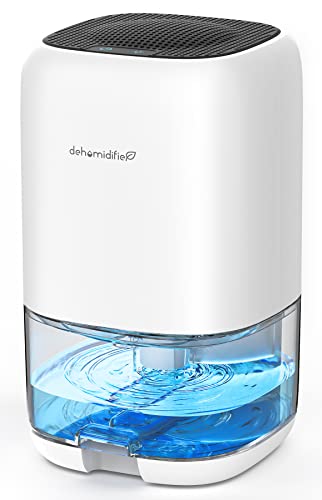
A dehumidifier helps when the closet stays damp after airflow changes or when the whole room is humid. It is not the first fix for every closet, but it is often the right one for basement closets, room-wide humidity problems, or closets that remain above 50% RH.
When airflow alone may be enough
If the closet only needs better circulation and the RH stays in the 30–50% range after you open the airflow path, a dehumidifier may be unnecessary. Small walk-in closets can sometimes improve with a fan run for 15 to 30 minutes a day, plus better spacing and door venting.
When a dehumidifier should run
Use a dehumidifier when the closet or room stays damp, especially in basement or slab conditions. A small compressor or desiccant model can fit closets, and a room dehumidifier set to 50% RH or lower is a common approach for persistently damp spaces.
What setpoint to use
Set the unit to 50% RH or lower if the space keeps drifting upward. Then recheck the hygrometer after a day and again after a week. If the reading falls but mold returns on the wall, the issue may be a cold surface, not just humid air.
What should I do if I find mold on closet walls?
Clean small, surface-level mold only after the area is dry and the moisture source is under control. If drywall paper is soft, baseboards are swollen, or mold returns quickly, the cleanup should stop at inspection and repair because hidden damage is probably still feeding it.
-
Isolate the area.
Remove clothing, boxes, and shelf items from the affected section so you can inspect the wall and clean it safely. -
Check for wet materials.
Look behind baseboards, on drywall paper, and at shelf supports. If any material feels damp, dry it within about 24–48 hours or treat the area as a repair problem. -
Clean the surface.
Use a cleaner suited to interior surfaces and follow the label. Dry the area fully afterward, because mold can return quickly when surfaces stay damp. -
Repair the moisture path.
Improve airflow, correct humidity, and address any leak or insulation issue before putting items back.
A common first-timer mistake is cleaning the visible spot and loading the shelf again the same day. That leaves the cool wall, trapped moisture, and any hidden damp drywall in place, which is why the stain comes back.
Common mistakes
Most recurring closet mold problems come from fixing the symptom instead of the source. A quick wipe may make the wall look better, but it does nothing if the closet is still above 60% RH, the exterior wall is cold, or the storage layout blocks air.
- Using airtight plastic bins in a damp closet
- Packing clothes flush to an exterior wall
- Relying on desiccants as the main fix
- Ignoring a musty bathroom or laundry room next door
- Skipping inspection behind baseboards and shelf supports
- Leaving a closet door closed when the closet needs airflow
Prevention: Recheck RH weekly for a month, keep items a few inches off the wall, and inspect the back wall and shelf supports after any shower-heavy or rainy stretch. If the reading stays under 50% RH and the wall stays dry, the closet is usually on the right track.
Frequently asked questions
How do I prevent mold in a closet on an exterior wall?
Keep the closet at 30–50% RH, improve airflow with a louvered door or vent, and leave items a few inches off the wall. If mold keeps returning, inspect for a cold wall, failed insulation, or a hidden leak before cleaning again.
What causes mold in a closet?
The usual causes are poor airflow, a cool exterior wall, and damp clothing or shoes. Bathroom and laundry humidity can add to the problem, especially when the closet is enclosed and stays above 60% RH.
How do I stop mold in a closet from coming back?
Fix the moisture source, not just the stain. Keep RH below 60%, ideally 30–50%, improve circulation, and use wire shelving plus breathable storage. If the wall stays damp or cold, repair or insulate that surface before refilling the closet.
How far from the wall should clothes be stored to prevent mold?
Keep items a few inches off the wall. A 3-inch gap is a practical target when space allows, because it helps air reach the wall side and reduces moisture buildup behind clothing and bins.
What humidity should a closet be to prevent mold?
Target 30–50% RH. A reading above 60% is a red flag for mold risk, so use a hygrometer at mid-height away from the wall and adjust airflow or dehumidification if the number stays high.
How do I prevent mildew in a closet?
Prevent mildew the same way you prevent mold: dry the space, keep humidity under control, and avoid trapping moisture behind storage. Run bathroom exhaust fans outside for 20 minutes after showers if the closet shares nearby air with a bathroom.
Sponsored / affiliate links. As an Amazon Associate I earn from qualifying purchases. I may earn additional commission from eligible campaigns.