Best Gutter Accessories for Snow and Ice (2026): Research Shows
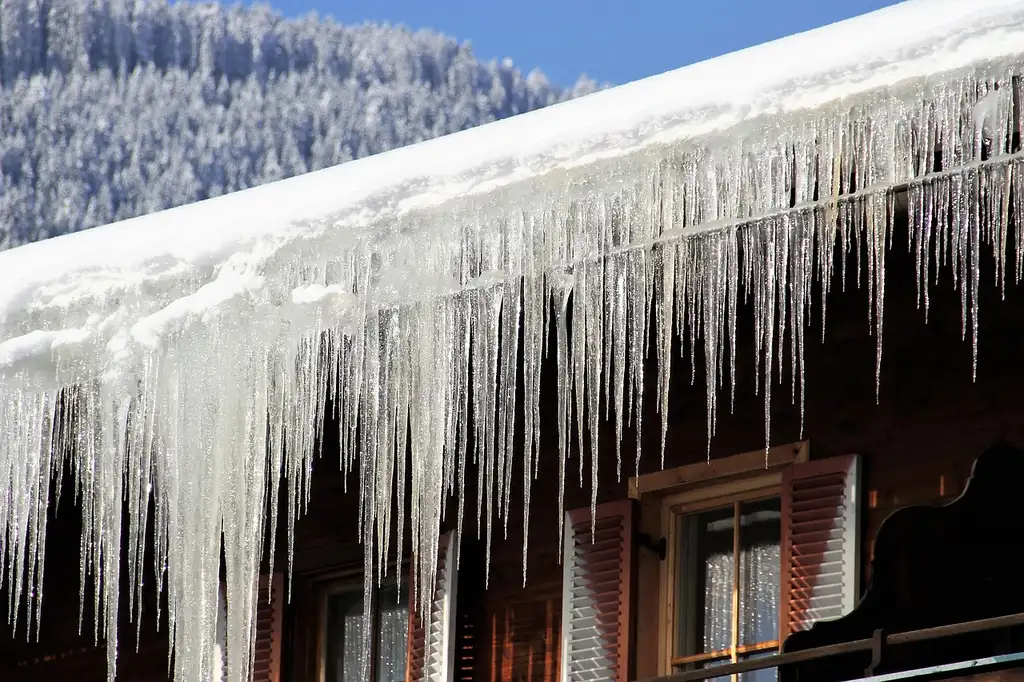
For heavy snow and ice, the best gutter accessories are heated cables for ice-dam control, snow guards for roof-snow release, and oversized guards or covers only if they stay clear through freeze-thaw cycles. If ignored, those failures can pry up shingles, bend gutters, and send meltwater into walls, soffits, and walkways. This guide matches each winter failure mode to the right add-on, with roof-type compatibility and installation priorities.
Quick comparison
| Product | Badge | Best for | Price | ||
|---|---|---|---|---|---|
 |
Frost King RC60 Heating Cables, 60′, Black | Roof DeicingFrost King | Our pick | 60 ft · Black · Electric Gutter Cable | $60.48
Price as of 23 Oct 2026
|
View |
 |
Avalution Roof & Gutter Heat Cable 100FT, 8 W/ft SelfAvalution | Upgrade pick | 100 ft · Self-Regulating · 8 W/ft Heat Cable | $104.97
Price as of 23 Oct 2026
|
View |
 |
H&G lifestyles 24ft Gutter Heaters to Prevent Ice Dams forH&G lifestyles | Also great | 24 ft · Aluminum Panel · Gutter Heater | $124.99
Price as of 23 Oct 2026
|
View |
Start with the failure mode. Ice dams point to heat cables and attic fixes; roof avalanches point to snow guards; frozen runoff points to guard material, outlet design, and fasteners that keep working after repeated thaw and refreeze.
How we chose
We compared four things: cold-weather durability, drainage performance, fastening strength, and roof compatibility. Warranty coverage also mattered, because winter accessories that fail after one hard season are a poor buy even if the upfront price looks fine.
Priority went to materials and attachment methods that stay stable in freeze-thaw cycles, move meltwater without choking the gutter, and fit common shingle or metal roof details without creating new leak paths.
Do gutter guards help with ice dams?
Gutter guards can help by keeping leaf buildup, pine needles, and roof grit out of the gutter so meltwater has a path out. They do not fix the main cause of ice dams, which is heat loss from the attic plus poor roof ventilation. Treat guards as flow management, not a cure.
What gutter guards can fix
In winter, guards are most useful when the gutter itself is clog-prone. A stainless steel micro-mesh guard can keep fine debris out while still passing water from melting snow, which matters when the gutter is otherwise filling with slush and leaves.
They are also helpful at the outlet point. If the trough stays cleaner, downspouts are less likely to start with a blockage that later turns into a frozen plug.
What gutter guards cannot fix
Guard panels do not stop roof heat from melting snow above the eaves. If the attic leaks heat, snow melts, runs to the cold edge, and refreezes whether or not the gutter has a cover on it. That is why ice dams keep coming back in some homes even after a guard upgrade.
Where insulation and ventilation matter more
If you see repeated icicles along the eaves, insulated ceilings, sealed attic penetrations, and balanced roof ventilation usually matter more than a new guard style. Those are the fixes that reduce roof heat loss and lower the chance of refreeze at the edge.
Stainless steel micro-mesh guards: best for pine needles
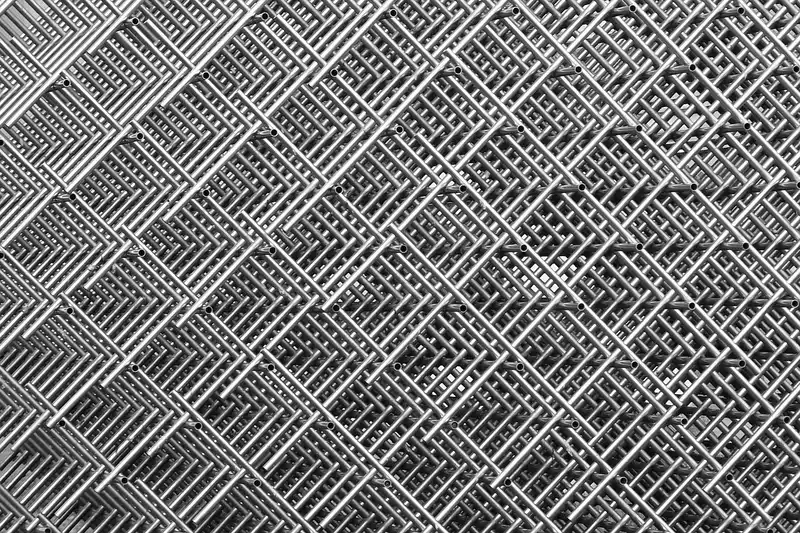
Stainless steel micro-mesh is the premium choice when you need fine filtration and winter durability together. It is the best fit for homes that shed pine needles, small leaves, and roof grit, while also needing corrosion resistance and cold-weather stability in heavy snow.
Based on the manufacturer’s specs and published product details, this type suits homeowners who want high debris control without giving up winter strength. This Old House recommends stainless steel micromesh for heavy snow, and My Gutter Doctor notes that guards should provide structural support, not just filtration. (Thisoldhouse)
The main drawback is cost, and the finer surface can still need cleaning if the roof loads up with slush or if nearby trees drop heavy debris all winter. Micro-mesh also needs a fastening system that matches the roof and gutter, or the panel can become the weak point instead of the protection.
Why micro-mesh holds up in snow
Fine mesh sheds small debris, but the winter value is that stainless steel resists rust and does not depend on thin, flexible plastic parts to stay in shape. That matters when meltwater, ice, and repeated thaw cycles keep loading the front edge.
Why stainless steel matters
Stainless steel is the safer long-term bet for wet, salty, or snow-heavy climates because it resists corrosion better than many coated alternatives. It is also better suited to years of thermal movement than lighter materials that can deform at the edge.
Best roof and gutter matches
Micro-mesh works best on shingle roofs with recurring leaf or needle load, and on gutters where the installer can secure the front edge and rear attachment firmly. It pairs well with proper attic insulation and ventilation because the guard can manage runoff only after the roof stops dumping excess heat into the snowpack.
What to avoid with fine mesh
Avoid under-secured mesh on long roof runs, and avoid assuming any guard will solve an ice dam by itself. If the roof repeatedly produces heavy edge ice, heat cables may be needed at the gutter line or roof edge in addition to the guard.
Perforated aluminum guards: best for standard gutters
Perforated aluminum guards are a practical choice when you want rigid panels and open meltwater flow in standard 5-inch and 6-inch gutters. Thewearify identifies 0.157-inch perforations as a winter-performance sweet spot, and rigid aluminum panels can be easier to keep aligned than light, flexible covers.
These panels fit well on houses that see regular snowfall but do not need the fine filtration of micro-mesh. They can be a good middle ground for homeowners who want durability, simple drainage, and less maintenance than an open gutter.
The drawback is that thin aluminum can warp in freeze-thaw cycles, especially if the fastening pattern is weak or the panel is bridging a span it should not bridge. If the attachment is poor, snow load can lift the front edge and create a new leak or clog point.
Why rigid panels matter in freeze-thaw weather
Freeze-thaw cycles cause expansion and contraction, which stresses seams, fasteners, and any panel that has too much flex. A rigid panel holds its shape better, so meltwater is less likely to pool at a low spot and refreeze into a blockage.
Why hole size and open area matter
Perforations around 0.157 inches are large enough to move meltwater without turning the panel into a snow trap. That balance matters in winter, when the guard must pass water quickly while still blocking debris that would otherwise clog the gutter and downspout.
When 5-inch and 6-inch gutters fit best
These guards are commonly a natural fit for standard residential gutters in either 5-inch or 6-inch size. Larger gutters can provide more buffer during a thaw, but only if the outlet and downspout path are also clear.
Where thin aluminum can fail
Thin aluminum is most vulnerable at the front lip, at screw points, and at seams where moving ice can pry the panel upward. If the material is around 0.019-inch thick, secure fastening matters even more, because the panel itself has less margin for snow load and impact.
Should you add heat cables?
Heat cables make sense when ice dams or downspout freeze-ups keep coming back in the same spots. They are a targeted de-icing accessory, not a whole-roof cure. The best use is along roof edges, in gutters, and at outlets where water needs help staying liquid long enough to drain.
Best placement on roof edges and gutters
Place heat cables where refreeze starts: the lower roof edge, the gutter run, and the downspout inlet. That path is where meltwater typically stalls first, especially on shaded eaves or where roof valleys feed a lot of water into one section.
Thermostat control and operating cost
Heat cables are typically controlled by a thermostat, so they are not meant to run constantly through the whole winter. That matters for operating cost. They are worth considering when a home has repeated freeze-ups or a known ice-dam problem, but they are usually too expensive to treat as a blanket solution for every roof.
Where heat cables help most
They help most on short, stubborn problem areas: a north-facing valley, a cold gutter corner, or a downspout that freezes near the elbow. They are also useful where a gutter guard keeps debris out but the meltwater still has trouble leaving the roof edge.
Limits and maintenance needs
Heat cables do not repair bad insulation, poor ventilation, or a sagging gutter line. They also need inspection before winter so clips, overlap points, and cords stay secure. If the cable cannot stay in contact with the problem area, its value drops fast.
Are snow guards necessary on a metal roof?
Snow guards are often necessary on a metal roof when snow slides in large sheets or when the roof pitch pushes snow off all at once. My Gutter Doctor says roof snow slides are common on metal roofs. Snow guards help prevent those slides from damaging gutters, people, vehicles, and lower roof edges.
How snow guards reduce roof avalanches
Snow guards hold snow in place so it releases in smaller loads instead of one large sheet. That reduces the chance of a sudden avalanche that tears at gutters or crushes anything below the eave line.
Why steep roofs need extra retention
Steep roofs shed snow faster, and that makes a control device more important. On steep shingle roofs, snow guards can reduce surprise sliding after a warm afternoon or sun exposure, then a nighttime refreeze.
How snow guards protect gutters
By slowing the release, snow guards reduce the impact load on the gutter edge. That matters because a large slide can pull the gutter away from the fascia or bend the front lip before the downspout even has a chance to drain.
Profile and spacing considerations
Thewearify notes that snow guards on metal roofs should have about a 2-inch vertical profile in one cited design. That kind of profile gives the guard enough height to retain snow without depending on a flimsy clip. Spacing and layout still need to match roof slope, snow load, and panel type.
Winter decision matrix
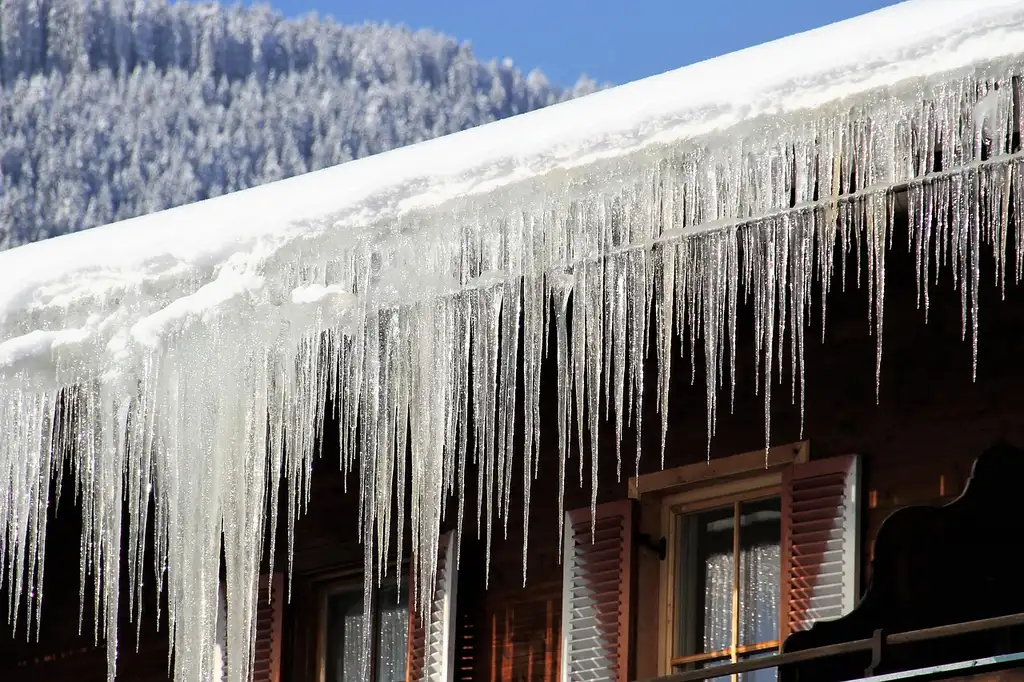
This matrix maps the winter failure mode to the accessory stack that fits it best. Use the gutter accessory that solves the first problem in the chain, then add supporting pieces only where needed.
| Scenario | Best accessory stack | Why it works | What to avoid |
|---|---|---|---|
| Metal roof | Snow guards + secure gutter fastening; add heat cables only at chronic freeze points | Metal roofs shed snow quickly, so retention comes first; strong attachment helps the gutter survive the load | Clip-in gutters alone, or no snow retention on long, steep runs |
| Steep shingle roof | Snow guards + durable guards or covers at the gutter line | Steep slopes release snow suddenly, so controlled release matters more than debris filtration alone | Assuming a guard will stop roof slides by itself |
| Heavy pine needles plus snow | Stainless steel micro-mesh guards + reinforced attachment | Fine mesh blocks needles while staying stable under snow load and wet debris | Open perforations that admit needles, or thin panels with weak fasteners |
| Frequent ice dams | Heat cables + attic insulation and ventilation + a cleaner gutter path | Heat cables melt snow and ice before clogs form, while insulation and ventilation attack the root cause | Relying on guards alone |
| Long downspout freeze-ups | Heat cables in the gutter and downspout inlet + clear outlet path | The cable keeps the meltwater path open where freezing usually starts | Short cable runs that stop before the outlet or elbow |
Picture a 2-story home with a metal roof and a 12-foot front gutter. If snow slides off in one sheet after a warm afternoon, the most useful upgrade is not a finer guard. It is snow retention at the roof edge, plus a fastening system that keeps the gutter attached.
Suppose a shaded north-side valley keeps freezing at the same elbow every January. A short run of thermostat-controlled heat cable at the roof edge and downspout inlet can be more useful than replacing the whole gutter cover, because the problem is a repeated freeze point, not a debris problem.
Which one should you buy?
If your main problem is ice dams, start with heat cables and attic work, not a new guard. If the main problem is roof avalanches, buy snow guards first. If your main problem is pine needles, a stainless steel micro-mesh guard is usually the strongest winter choice.
Best choice by budget
For a lower budget, perforated aluminum can be a sensible upgrade when the gutter size is standard and debris load is moderate. For a higher budget, stainless steel micro-mesh paired with reinforced fastening is the better cold-weather buy for heavy snow and fine debris.
Best choice by roof type
Metal roofs usually need snow guards more than leaf-style upgrades. Steep shingle roofs may need both snow retention and gutter protection. Flat or low-slope sections need close attention to drainage slope and outlet clearance before any accessory can help.
Best choice by failure mode
Ice dams: heat cables plus insulation and ventilation. Roof slides: snow guards. Frozen runoff: heat cables and a gutter system with secure attachment, clean outlets, and a guard material that will not warp in freeze-thaw weather.
When to hire a pro
Hire a pro for steep roofs, metal roofs with long run lengths, or any installation that needs continuous fastening and careful layout. Today’s Homeowner names LeafFilter as best professional installation for snow and ice, while DIY buyers often compare options like Raptor Micro-Mesh Gutter Guard for simpler installs.
What features matter most for winter gutter protection?
The most important features are material strength, fastening method, drainage opening, roof compatibility, and warranty coverage. In heavy snow, a guard that looks good on paper but uses weak clips or thin material will fail sooner than a simpler system with solid attachment and a better fit.
Material and thickness
Look for stainless steel when fine debris and rust resistance matter most. Use aluminum when you want a rigid panel that still moves water well. Winter-ready aluminum guards may start around 0.019-inch thickness, but thickness alone does not decide the outcome if the fastening is weak.
Fastening method
Secure fastening systems, especially screw-mounted or continuous attachment, resist pull-off from snow load better than clip-in systems in harsh climates. They also reduce wind lift. My Gutter Doctor’s point is important here: the guard must provide structural support, not just filtration.
Drainage opening
Openings need to pass meltwater without choking on slush. That is why the perforation size matters. If the opening is too small, it can ice over faster; if it is too open, fine debris gets through and starts the clog cycle again.
Warranty coverage
Lifetime transferable warranties, where available, are worth attention in winter climates because they signal confidence in durability and performance. They do not replace a sound install, but they do tell you how much risk the maker is willing to own over time.
- Identify the first failure mode: ice dams, roof slides, or frozen downspouts.
- Match the accessory to that problem before adding any secondary upgrade.
- Check roof material and slope, since metal and steep roofs need snow retention more often.
- Choose stainless steel micro-mesh for fine debris, or perforated aluminum for rigid standard gutters.
- Confirm the fastening method is screw-mounted or continuous if snow load is heavy.
- Keep attic insulation and ventilation in the plan, because guards cannot fix heat loss.
- Verify warranty terms, especially coverage for winter durability and attachment failure.
Frequently asked questions
What gutter accessories work best in heavy snow and ice?
The best accessories are heat cables for ice-dam control, snow guards for roof-snow release, and durable gutter guards that stay open through freeze-thaw cycles. The right choice depends on the failure mode first. A gutter guard helps with debris, but it will not solve roof heat loss or a sudden roof avalanche.
Should I add heat cables to my gutters?
Add them when you have repeated freeze-ups at the roof edge, in the gutter, or at downspout inlets. Heat cables are designed to melt snow and ice before clogs form, and they are typically controlled by a thermostat. They are not necessary for every home, and they should not replace insulation work.
What gutter guard material holds up best in freezing weather?
Stainless steel micro-mesh is the strongest premium choice for heavy snow, fine debris, and rust resistance. Perforated aluminum is also useful when you want rigid panels and good meltwater flow in standard gutters. Thin, poorly attached materials are more likely to warp, lift, or refreeze into a blockage.
How do I stop snow slides from tearing off my gutters?
Use snow guards to slow the release before the snow hits the gutter edge. Then make sure the gutter has a secure fastening system, not just clip-in support. On metal roofs, snow retention is usually the first line of defense, because the slide itself is the load that tears gutters loose.
Sponsored / affiliate links. As an Amazon Associate I earn from qualifying purchases. I may earn additional commission from eligible campaigns.