How to Choose Lighting Fixtures for Vaulted Ceilings
Choose lighting for a vaulted ceiling by checking three things first: ceiling pitch, room function, and how often you can clean or change bulbs. Then pick a fixture with the right drop, spread, and mount type. Get that wrong, and you end up with glare, dark corners, hard-to-reach bulbs, or a fixture that looks right but works poorly. This guide explains how to match fixture type to pitch, room use, and maintenance needs so you can choose well the first time.
What ceiling pitch and height do you have?
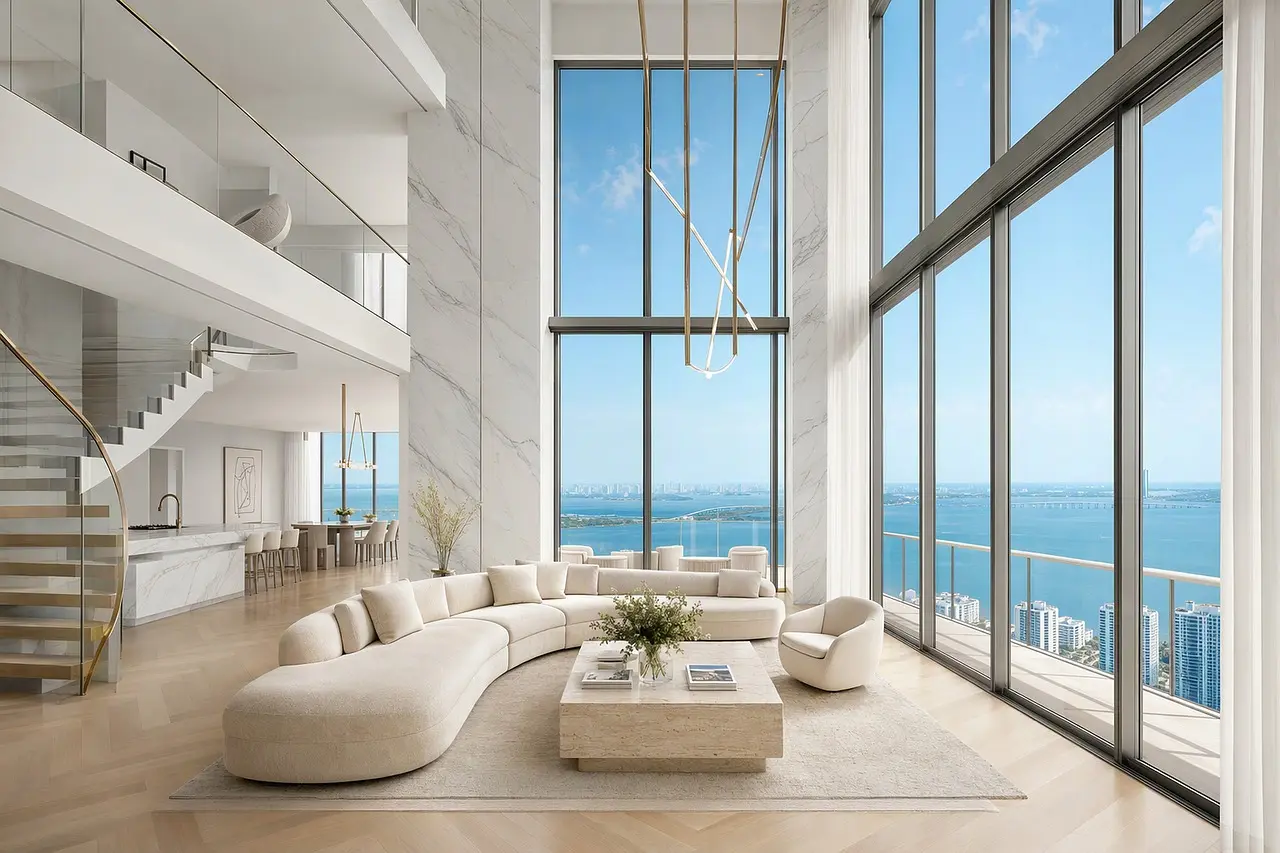
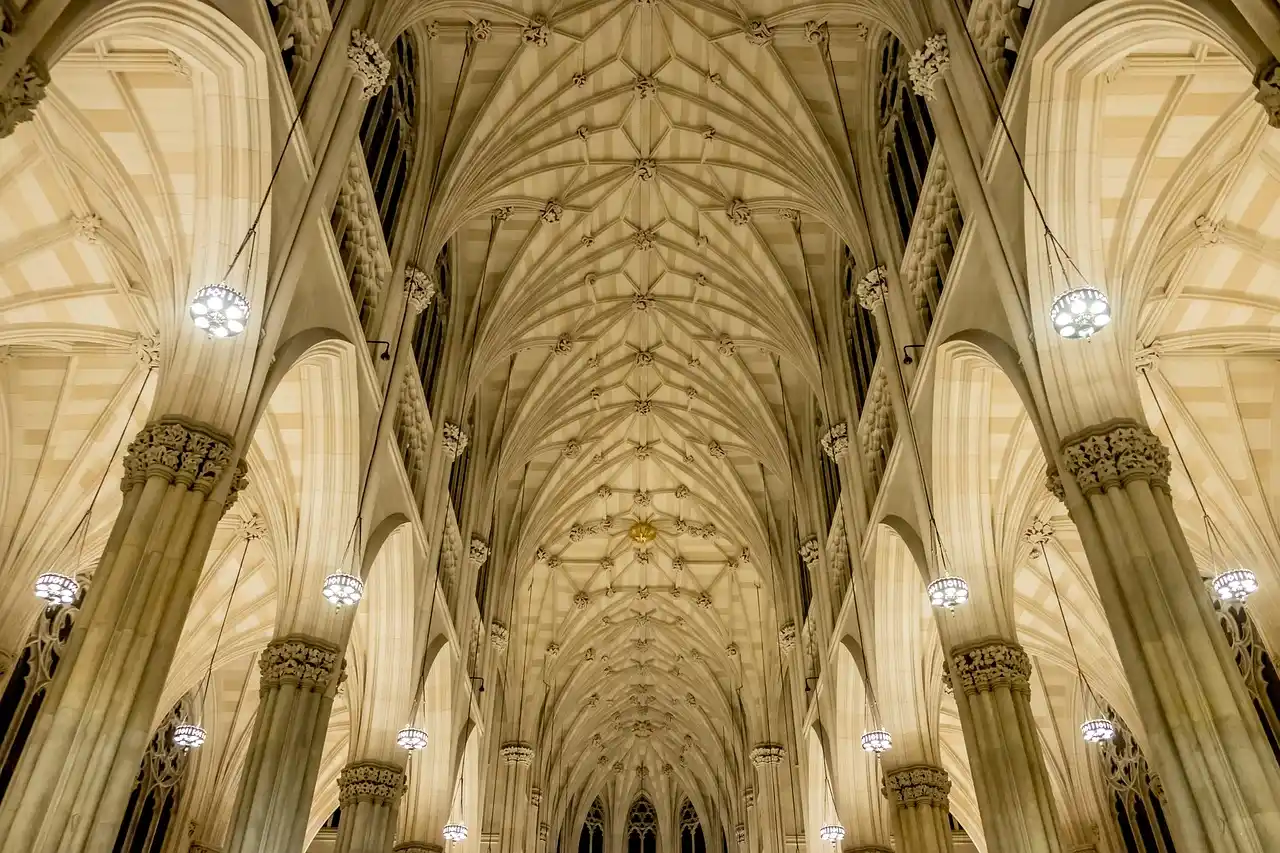
Vaulted ceilings are generally higher than standard 8 to 10 foot ceilings, and they are also called high ceilings or sloped ceilings. That angled plane changes how light lands, so the same fixture can feel too dim, too bright, or visually off-center depending on pitch and room size. For planning, start with ceiling angle, then confirm the room’s task, then decide whether the fixture needs a slope-rated canopy or housing.
Measure the slope before you shop
Start by noting whether the fixture will hang from a flat plane, a moderate slope, or a steep rise toward the ridge. A gentler slope leaves more fixture options. A steep slope often limits you to hardware made for angled mounting, especially for pendants, recessed trims, and track heads. When you compare ceiling plans, the goal is not just fit; it is aiming light where people actually use the room.
Say your kitchen has a vaulted ceiling over the island, but the ridge sits far above the work surface. A standard pendant may hang straight, yet still aim light badly if the canopy is not sloped-compatible. The result is uneven light on the counter and a fixture that looks tilted from the room below.
Match fixture type to height band
Use height as a filter, not as the only rule. Lower vaulted sections can take semi-flush mounts or shorter pendants. Taller rooms can support larger chandeliers, longer chains, or layered combinations of recessed lights plus wall sconces. Very tall rooms may also need stronger output, especially when the ceiling color and roof shape absorb light. If the room is used for moving through, choose clearance first; if it is used for sitting or cooking, choose distribution first.
A common first-timer mistake is buying for the ceiling only and ignoring the furniture below it. A 34-inch chandelier can suit a larger open room, while a smaller foyer may need a much tighter visual footprint to avoid crowding the entry path. Size should track the room’s footprint, not just the drama of the ceiling line.
Flag access and bulb-change limits early
Maintenance matters more on a vaulted ceiling than on a flat one. If you need a ladder every time a bulb fails, a decorative fixture can become a nuisance fast. Favor LED lamps, dimmable bulbs, and fixture styles that leave enough room to reach the socket or remove the shade without awkward stretching. In rooms with steep slopes, choosing fewer lamps and simpler surfaces can matter more than choosing a showier shape.
Quick rule: if cleaning or bulb changes will be difficult, choose fewer lamps, simpler surfaces, and hardware that does not trap dust in high spots.
What room function does the fixture need to serve?
The best fixture for a vaulted ceiling depends on what the room must do. Kitchens need task light. Dining areas need centered light and control over glare. Foyers need safe circulation light. Living rooms often need a mix of ambient light, wall balance, and a focal point. One fixture rarely solves all four jobs well, so use the room’s main activity as the starting point and treat style as the second decision.
Kitchen task light
For a high vaulted kitchen ceiling, focus on counter light first. Pendants can work over islands if the canopy is compatible with the slope and the hanging height is controlled. Recessed lights with sloped-ceiling housings are better when you need broad coverage without low-hanging glare over prep zones. If the island is long, consider more than one source so the ends do not fade into shadow.
Island pendants usually need 30 to 36 inches above the counter, but the room scale still matters. Too high, and the light spreads weakly. Too low, and tall family members may feel boxed in or bump the fixture line with their sightline. For kitchens, clearance and spread should be balanced so the fixture lights food prep without becoming a visual obstacle.
Dining focal light
Dining spaces usually benefit from a fixture that anchors the table visually. Chandeliers do this well when the size matches the room and the drop is adjustable. Pendants can also work over a round or long table, especially when the ceiling ridge makes a centered chandelier feel too heavy or too far from the seating zone. The best choice is the one that keeps faces lit while preserving the table’s outline.
Picture a long dining table under a steep vault. A compact flush fixture would leave the table flat and underlit. A height-adjustable chandelier or a pair of pendants can place light where plates and faces actually sit, while keeping the room from feeling top-heavy.
Foyer and circulation light
Entry areas need clearance first, then style. Semi-flush mounts are often the safest choice when headroom is limited. Wall sconces can help if the foyer wall height is generous and you want light that supports the staircase or side wall without hanging into the walking path. If the ceiling is tall, use the wall plane as part of the lighting plan instead of relying on one overhead point.
For entry lighting, keep the bottom of a hanging fixture at least 7 feet from the floor. That simple rule prevents head strikes and keeps the path open, especially when the foyer opens directly into a stair or hallway. (Thisoldhouse)
Living room ambient light
Living rooms under vaulted ceilings usually need layers. Track lighting can aim light at seating, art, or dark corners. Wall sconces can fill the middle of the room and reduce the cave effect that happens when all the brightness stays near the ceiling. A dimmer helps here because the room may shift from daytime use to evening use. Think in zones: seating, walls, and circulation each need a different kind of brightness.
Vaulted ceilings create shadow and scale challenges. Light aimed only downward can leave the upper walls dark, while a single bright central fixture can produce a hard pool of light instead of even coverage. Balance matters more than brightness alone.
Which fixture type fits the space?
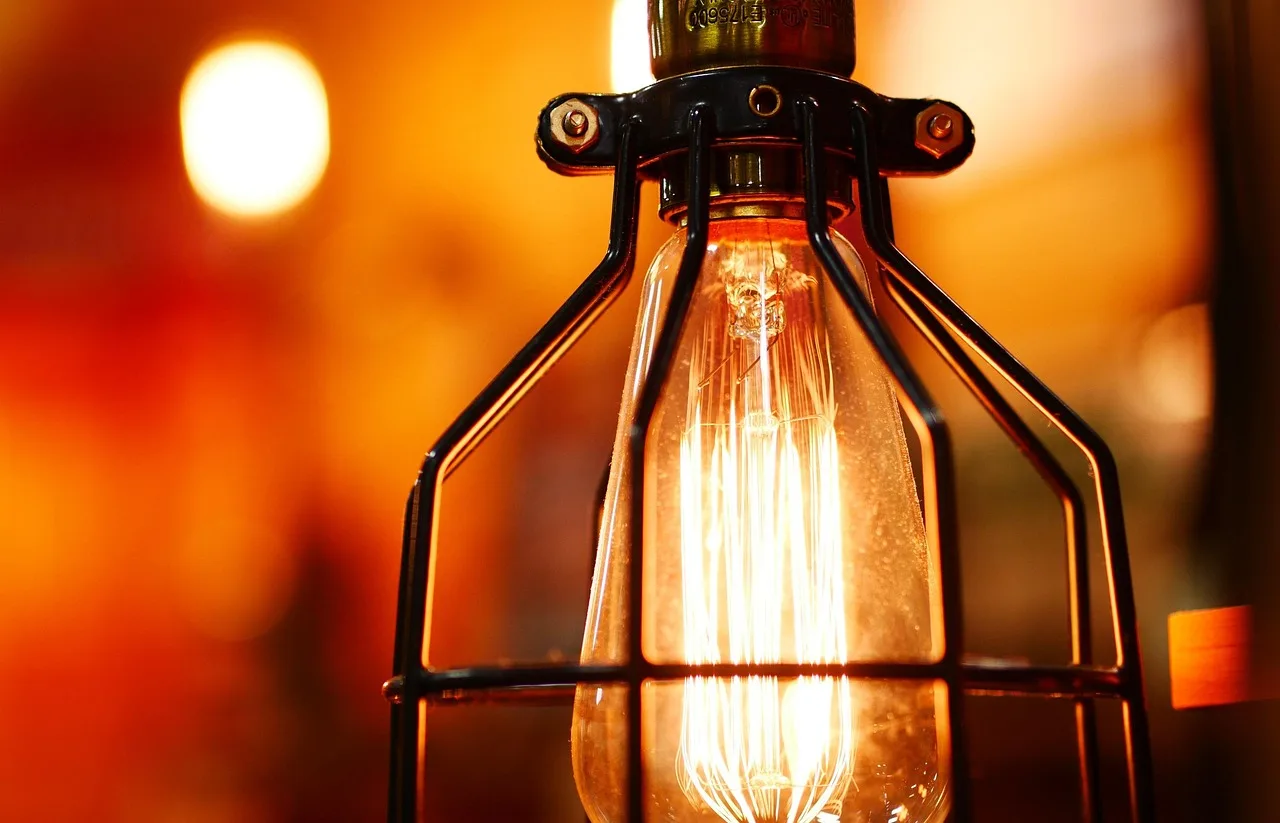
Once you know the ceiling pitch and room job, the fixture choice becomes simpler. Pendants and chandeliers suit centered focal points. Semi-flush mounts fit tight clearances. Track lighting handles aiming. Wall sconces fill gaps. Recessed lighting covers general light when the ceiling allows the correct angled hardware. The best layout is usually a combination, not a single fixture trying to do everything.
Pendants for centered tasks or tables
Pendant light works best from a center beam or with a compatible sloped-ceiling canopy. Many pendants can be chain or downrod hung, but the canopy must match the manufacturer’s sloped-ceiling compatibility. A chain-only pendant may hang awkwardly on a slope and leave the shade tilted or the bulb angle wrong. Use them where the room gives you one clear target, not where you need wide-area coverage.
Pendants are best when you want a clear visual target, such as an island or breakfast table. They are less useful in wide open rooms with no single focus, because a few hanging points may not cover the full ceiling well enough.
Chandeliers for scale over tables and open rooms
Chandeliers suit tall rooms when you want a focal fixture with more visual weight. They can be height-adjustable, which helps when the ceiling pitch changes from one side of the room to the other. The key is scale: too small and the room swallows it; too large and it crowds the view. The right chandelier should read as intentional from every seating angle.
A 12-light modern chandelier described as 33 inches wide can suit a medium-to-large room, while a large farmhouse chandelier described as 34 inches wide and 30.94 inches tall gives a stronger presence. The farmhouse model also has an adjustable hanging chain up to 74.80 inches, which helps on taller slopes. The drawback is weight in the room visually, so it needs enough open air around it.
Semi-flush mounts for low clearance zones
Semi-flush mount fixtures are the practical answer when you need less drop than a pendant or chandelier. They are common in entryways, hallways, and kitchens where headroom is tight or traffic passes directly below the light. They also make sense when the slope is modest but the room still needs a lower profile. In a vaulted room, semi-flush can bridge the gap between style and clearance.
One two-light semi-flush fixture is listed with rods of 11.81 inches and 7.87 inches and described as suitable for flat and sloped ceilings. That kind of design helps when you want a shorter profile, though it still may not be enough for a very large vaulted living room that needs broader spread.
Track lighting for adjustable aiming
Track lighting gives you multiple adjustable heads, which is useful when the room has dark corners or several work zones. On sloped ceilings, it requires specialized sloped ceiling anchors so the track mounts correctly. That extra hardware matters; without it, the heads may point oddly or fail to align with the room’s main uses. It is strongest where flexibility matters more than ornament.
Track lighting is a strong choice when the ceiling is too high for a single centered fixture to do all the work. It is less decorative than a chandelier, and it can look busy if the room already has a lot of visual detail.
Wall sconces for support light and wall balance
Wall sconces should be positioned from eye level to the middle third of walls. That placement helps brighten the room edges and visually connect the tall ceiling to the furniture below. Up/down-lighting can be especially helpful because it adds height without putting the entire lighting load overhead. Sconces are most effective when they are part of a larger lighting plan rather than the only source.
Sconces are usually support fixtures, not the only source of light. They work best with recessed lights, a pendant, or a chandelier that handles the main task.
Vaulted lighting decision table
| Ceiling pitch / height band | Room type | Best fixture category | Failure risk |
|---|---|---|---|
| Low to moderate slope, vaulted but reachable with a short ladder | Hallway or entry | Semi-flush mount | Low clearance problems if a pendant hangs too far down |
| Moderate slope, standard furniture scale below | Kitchen island | Pendant light with sloped canopy | Pendant can tilt or hang at the wrong angle without matching hardware |
| Moderate to steep slope, larger room volume | Living room | Track lighting with adjustable heads | Dark corners remain if heads cannot aim where seating and walls need light |
| Steep slope, tall ceiling plane above a table | Dining room | Adjustable chandelier | Wrong scale leaves the fixture too small or too dominant |
| Very tall vault, broad open room | Great room | Layered recessed lights plus wall sconces | Maintenance burden climbs if every bulb needs ladder access |
| Any slope with limited access for service | Bedroom or upper foyer | Semi-flush or accessible wall lighting | Frequent bulb changes become difficult and expensive in time |
What install details must match before you buy?
Compatibility decides whether the fixture will work on the ceiling you have. Before you buy, check canopy type, recessed housing, clearance, and dimming. Those details are what keep a pretty fixture from becoming a return or a rework. This is also where installation planning saves the most time, because the wrong ceiling parts usually cannot be “forced” into a clean result.
Canopy type and sloped-ceiling compatibility
Pendant lights can be modified with a sloped ceiling canopy, but only when the manufacturer allows that conversion. Do not assume a standard canopy will work on an angle. The fixture may hang, yet still sit crooked or bind at the ceiling plate. Track lighting also needs the right mounting approach on angled ceilings. Specialized sloped ceiling anchors hold the track correctly and keep the heads aligned.
For any fixture that hangs from the ceiling plane, check whether the mounting kit is actually rated for angled installation rather than just “works with vaulted ceilings” in broad marketing language. A proper sloped installation should keep the canopy flush and the light centered relative to the room below.
Recessed housing and trim requirements
Recessed lights on sloped ceilings need special housing cans, and sloped trim is also required. Eyeball trim can swivel to rotate the bulb angle, which helps you aim light at a wall, table, or art piece instead of straight down into empty space. In practice, the housing does the structural work and the trim handles the aim and finish.
If you want recessed lighting in a vaulted room, confirm that the housing and trim are both rated for angled ceilings. A standard flat-ceiling setup may fit the opening, but it will not direct light well and can leave a visible gap or leak around the trim.
Clearance rules for floors, counters, and furniture
For hanging fixtures, clearance is not optional. Keep entryway lights at least 7 feet from the floor. Over an island, leave 30 to 36 inches above the counter. Over a table, size and drop should match the furniture below so the fixture does not block sightlines or force diners to duck. These numbers are a starting point, not a substitute for room-specific measurement. In a room with tall furniture or a stair landing, measure from the tallest object in the path, not just the floor.
What size chandelier works under a vaulted ceiling? The right answer depends on the room span and the furniture footprint. A tall room can take a larger fixture than a low room, but the table or seating area still sets the lower limit for comfort and viewing angle.
Dimming and bulb compatibility
Dimmable bulbs and a dimmer switch give you the most control in large vaulted rooms with variable use. That matters when the room shifts from daytime brightness to evening calm. But both parts must match: the bulb type, fixture, and switch all need to be compatible for stable dimming. If the lamp source and dimmer are mismatched, flicker or limited dim range can follow.
For a room that has both task and mood needs, dimming is one of the simplest ways to keep the fixture useful through the day. It will not fix poor placement, though. If the light is aimed wrong, dimming only makes the wrong light softer.
Install prerequisites by fixture type
| Canopy type | Trim/housing type | Minimum clearance | Dimming compatibility |
|---|---|---|---|
| Pendant | Sloped-ceiling canopy; chain or cord rated for the angle | At least 30 to 36 inches above a counter or island; 7 feet from floor in circulation areas | Usually yes, if the bulb and switch are compatible |
| Chandelier | Sloped-canopy mounting kit; adjustable chain or stem system | 7 feet from floor in walkways; enough drop to preserve sightlines over a table | Usually yes, with compatible bulbs and dimmer |
| Recessed | Sloped-rated housing and sloped trim, such as eyeball trim | Flush with ceiling plane; no hanging clearance needed | Often yes, depending on lamp type and driver/dimmer match |
| Track | Sloped-ceiling track anchors or mount kit | Keep heads clear of tall furniture and reachable for adjustment | Usually yes, if heads and controls are designed for dimming |
| Semi-flush | Short drop mount or close-to-ceiling canopy | Best where headroom is limited; keep path clear below | Usually yes, if fixture and bulbs are dimmable |
| Sconce | Wall box and wall mount, not a ceiling canopy | Mount from eye level to middle third of wall; keep out of walking paths | Often yes, but check the lamp source and switch type |
Our picks by need
Best for recessed general light: Progress Lighting sloped trim

For a vaulted room that needs broad, low-profile general light, the key criterion is sloped-ceiling compatibility plus the correct housing. This trim suits rooms where you want to avoid a hanging fixture and still keep the opening clean. Its value is not the finish alone; it is the angled light control and reduced leakage around the trim.
This type fits kitchens, hallways, and living rooms that need a low-profile solution and a workable path for angled mounting. Choose it when the room needs unobtrusive coverage rather than a visual centerpiece.
Best for pendant task light: Fiabtool adjustable pendant kit

For a vaulted kitchen island, breakfast nook, or reading corner, prioritize adjustable drop and confirmed sloped-canopy compatibility. This kind of pendant is useful because it can be tuned to the task height instead of forcing the room to adapt to the fixture. Keep in mind that a single pendant is a targeted solution, not a whole-room answer.
It makes more sense over a small island, a reading spot, or a narrow passage than over a wide living room. Because it is a plug-in design, it can also fit situations where ceiling wiring options are limited, though that does not remove the need to check sloped compatibility.
Best for low-clearance rooms: two-light semi-flush style
A semi-flush option is the safer pick when you need the ceiling light to stay close to the surface. One model described with rods of 11.81 inches and 7.87 inches is listed as suitable for flat and sloped ceilings, which makes it a useful benchmark for low-clearance rooms. The drawback is that semi-flush fixtures can feel undersized in a tall great room.
Choose this category for foyers, hallways, or kitchens where traffic passes below the light. It keeps the room open while still giving you more presence than a bare recessed opening. If the room has a steep rise, use semi-flush where clearance matters more than decorative height.
Best for directional aiming: Lavendex track lighting kit
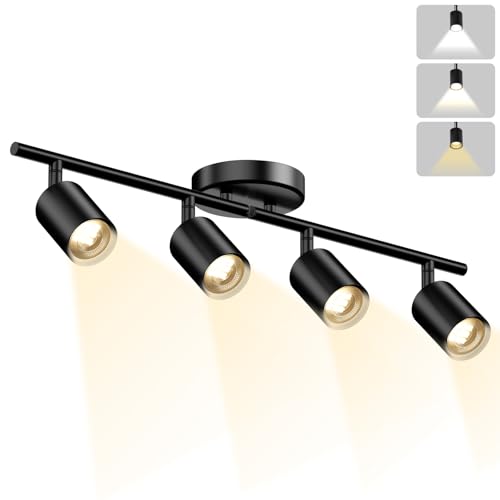
When the room has multiple zones, track lighting is less about style and more about control. Rotating heads help you move light from walls to seating to work areas without changing fixtures. On a sloped ceiling, the important question is whether the mounting system is built for the angle so the heads stay useful.
It is a smart fit for living rooms, mixed-use spaces, or long kitchen runs where one fixed light source will not cover every corner. On a sloped ceiling, confirm that the anchor system is right for the angle before purchase.
Best for statement lighting: Xeruyiwa 6-light chandelier

A chandelier works best when the room can support a focal point rather than just a utility light. The useful criteria are sloped-ceiling compatibility, adjustable drop, and a scale that fits the table or open area below. A chandelier that is too small disappears; one that is too large can dominate the room.
Use this category over dining tables or in larger entry zones where the ceiling height can support the visual weight. It gives a taller room a clear center, but only if the size matches the room instead of swallowing it.
Best for layered wall light: wall sconce plan
Wall sconces are not tied to one product here, but the category matters enough to call out. Position them from eye level to the middle third of walls, and use up/down-lighting when you want to soften the leap from furniture height to ceiling height. The drawback is that sconces usually need a companion light source to carry the room.
This category is most useful in living rooms, stair landings, and long halls under a vault. It can reduce shadow bands on the wall and make the room feel more evenly lit without filling the ceiling with hardware.
Mistakes to avoid
Buy the wrong fixture type, and the ceiling will punish the choice quickly. The most common errors are simple to avoid if you check slope, clearance, and access before you order. A good vaulted-ceiling plan is less about chasing a trendy fixture and more about preventing predictable failures.
- Buying a chain-only pendant for an angled ceiling. If the canopy cannot angle with the slope, the fixture may hang crooked or aim light poorly.
- Choosing a fixture too large for the room scale. A tall ceiling does not automatically need a big chandelier; the table, seating area, and sightline still matter.
- Ignoring glare and shadows. A single bright center point often leaves the walls dim and the corners flat.
- Skipping maintenance access. If bulb changes require difficult ladder work, choose a simpler fixture or a lower-maintenance lamp plan.
- Forgetting dimmer compatibility. Dimmable bulbs and the switch must match, or the light may flicker or refuse to dim smoothly.
Suppose a foyer has a steep vault and a narrow walkway below. A decorative pendant may look right on paper, but if the drop falls below the safe zone, it becomes a head-clearance problem. A semi-flush mount avoids that issue and still gives the entry a finished look.
How do I light a vaulted ceiling without dark corners?
Use layered light instead of relying on one center fixture. Recessed lights with sloped-ceiling housings can handle general light, track heads can aim into corners, and wall sconces can lift the middle of the wall. A dimmer helps you tune the balance after the room is lit. The trick is to light the perimeter as well as the center, because vaulted ceilings tend to trap brightness overhead.
What size chandelier works under a vaulted ceiling?
Pick chandelier size by room span, table size, and visual weight, not by ceiling height alone. A 33-inch-wide chandelier can suit a medium room, while a 34-inch-wide chandelier with a 30.94-inch height suits a larger space that can hold more presence. The room still needs room around it, and the table or seating arrangement should not feel crowded beneath the fixture.
Can pendant lights hang from a vaulted ceiling?
Yes, pendant lights can hang from a vaulted ceiling when the fixture has a compatible sloped-ceiling canopy or another approved mounting method. Chain or downrod styles work best when the manufacturer says they do. Without that match, the pendant may hang at the wrong angle or look off-center. For best results, treat canopy compatibility as a requirement, not a nice-to-have.
Do recessed lights work on sloped ceilings?
Yes, but they need special housing cans and sloped trim. Eyeball trim can swivel to rotate the bulb angle, which makes recessed light more useful on an angled plane. Standard flat-ceiling parts usually do not aim well enough for a vaulted room. If the opening is already cut, check the housing and trim ratings before assuming the fixture will solve the problem.
Should I use semi-flush or flush mount on a vaulted ceiling?
Use semi-flush when you want a bit more presence and the ceiling still leaves room for it. Choose a flush or near-flush look when headroom is very tight or the room is mainly a passage. In a vaulted room, semi-flush usually gives more visual balance than a plain flush fixture. It often feels like the middle ground between clearance and design.
How much clearance do I need for a hanging light under a vaulted ceiling?
Keep at least 7 feet from the floor in an entryway, and leave 30 to 36 inches above an island counter. Over a table, the fixture should clear sightlines and not force people to duck. If the room has tall furniture or a stair landing, measure from those surfaces too. Clearance should be checked from the actual path of movement, not just from the center of the room.
What fixtures work best for cathedral ceilings?
Cathedral ceilings usually favor chandeliers, pendants with the right canopy, track lighting with sloped anchors, and recessed lighting with the correct housing and trim. Wall sconces help with balance on the sides. The best mix depends on whether the room needs task light, broad coverage, or a focal point. In many rooms, a layered combination is more successful than one oversized fixture.
How do I choose lighting for a high vaulted kitchen ceiling?
Start with task zones, then check clearance and access. Over an island, pendants need the right drop and usually 30 to 36 inches above the counter. For broader kitchen light, recessed fixtures with sloped housing work better, while track lighting helps aim light across work zones and away from shadows. The best plan keeps prep areas bright without blocking movement or sightlines.
Do I need special hardware for lighting on a sloped ceiling?
Yes, in many cases you do. Pendants often need a sloped-ceiling canopy, recessed lights need special housing cans and sloped trim, and track lighting needs specialized sloped ceiling anchors. If the fixture is not listed for angled installs, do not assume standard parts will solve the fit. The hardware has to match the ceiling geometry, not just the fixture style.
Frequently asked questions
What kind of lighting for vaulted ceilings
Use layered lighting rather than one fixture type. Recessed lights give general coverage, pendants and chandeliers create a focal point, track lights aim where needed, and wall sconces fill wall height. The best mix depends on the room’s use, ceiling pitch, and how much maintenance access you have. In most vaulted rooms, the goal is even light on people and surfaces, not just brightness near the ridge.
Sponsored / affiliate links. As an Amazon Associate I earn from qualifying purchases. I may earn additional commission from eligible campaigns.