How to Insulate a Cold Floor Over a Crawl Space
Insulate the floor from below only after you match the method to the crawl space. Vented dirt crawl spaces usually need air sealing plus insulation at the joists, while dry encapsulated crawl spaces can use insulation at the perimeter or walls. If you choose the wrong assembly, moisture can stay trapped, pipes can freeze, and framing can rot while the floor still feels cold. This guide explains which setup fits dirt floors, concrete walls, vented spaces, encapsulated spaces, and persistently cold floors.
What you’ll need


- 6-mil polyethylene sheeting for dirt floors, plus tape and sealing caulk
- Fiberglass batts or rolls sized to the joist bay depth
- Rigid foam board for foundation walls, if you are insulating the crawl-space perimeter
- Closed-cell spray foam or foam sealant for rim joists and small air leaks
- Utility knife, straightedge, tape measure, staple gun, and insulation knife
- Gloves, eye protection, respirator rated for insulation dust, and knee pads
- Dehumidifier, drainage materials, and pipe insulation if the crawl space stays cold
Which crawl space insulation fix fits your house?
Start with the crawl-space type and moisture condition, then choose the assembly that fits. Vented dirt crawl spaces usually need floor-joist insulation after air sealing; encapsulated crawl spaces usually do better with wall or perimeter insulation; vented concrete-wall spaces need moisture control before any insulation; and a cold floor with existing insulation often points to leaks, not more batts.
| Crawl-space type | Moisture condition | Best insulation location | Vent status | Pipe-freeze risk | DIY or pro threshold | Stop and call a pro |
|---|---|---|---|---|---|---|
| Vented dirt-floor crawl space | Needs ground moisture control | Air seal the rim joist, then insulate the floor joists | Often sealed or covered after a full air-seal plan | High if ducts and water lines stay in the cold zone | DIY only if the space is dry, accessible, and free of damage | Standing water, moldy insulation, or suspect structural rot |
| Encapsulated dirt-floor crawl space | Usually dry, with ground cover already in place | Insulate the walls or perimeter, not the floor above | Usually sealed and managed by the encapsulation system | Moderate if pipes sit near exterior walls | DIY if the ground cover is intact and humidity is controlled | Standing water, moldy insulation, or suspect structural rot |
| Vented concrete-wall crawl space | Can still collect humidity and condensation | Seal air leaks, then insulate walls if the space is being conditioned | Usually sealed or reduced as part of the new assembly | High if the cavity remains cold | Pro work is smarter if ducts, plumbing, or combustion appliances are present | Standing water, moldy insulation, or suspect structural rot |
| Already insulated floor with persistent cold floors | Often an air-leak or moisture problem, not an R-value problem | Check rim joist, vents, and ground moisture before adding more insulation | Depends on the crawl-space system | Possible if the space is still cold and leaky | DIY only after you confirm the assembly, not by adding more batts first | Standing water, moldy insulation, or suspect structural rot |
Should crawl space insulation go in the floor or the walls?
Use floor insulation when the crawl space stays vented and outside the conditioned envelope. Use wall or perimeter insulation when the crawl space is dry, sealed, and meant to function more like part of the house. The right answer depends on the assembly, not just the material.
When floor-joist insulation makes sense
Choose floor-joist insulation when the crawl space remains vented or when you are not turning it into a conditioned space. Fiberglass batts can work here, but only if they fit tightly and stay supported. A damp bay, loose fit, or unsupported batt can sag, lose performance, and hold moisture against wood.
When wall insulation is the better choice
Wall insulation fits a crawl space that has been dried, sealed, and protected at the ground plane. Rigid foam board is usually the better wall material because it handles moisture better than fiberglass, and spray foam can be a better choice at rim joists or irregular areas where an air seal matters as much as insulation.
How ducts, pipes, and vent status change the answer
If ducts or water lines run through the crawl space, the wrong assembly can leave them in a cold zone. Vent status matters because an open vented crawl space behaves very differently from a sealed one. If the space stays cold, pipes near exterior walls need their own protection even when the floor above is insulated.
How to insulate the crawl space floor
Make the crawl space dry first, seal the big air leaks next, then install insulation that matches the joist depth. In a vented dirt-floor crawl space, that order matters more than the insulation type. If you skip the sealing or moisture work, the floor can stay cold and the batts can fail early.
- Fix water first. Remove standing water before any insulation work. If the crawl space has persistent seepage, add drainage or call a pro before you close it up, because wet insulation holds moisture against wood and turns a small leak into a bigger repair.
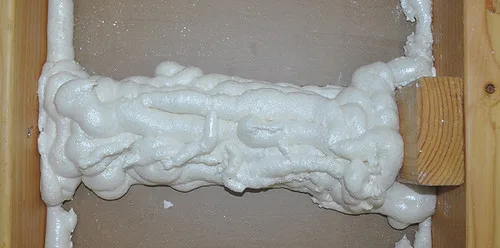
- Seal the rim joist. Close the major air-leak points at the rim joist, plumbing penetrations, and duct chases with foam sealant or spray foam. This is one of the fastest ways to reduce cold-floor complaints because a leaky rim can bypass the rest of the insulation work.
- Install ground vapor protection. On a dirt floor, lay 6-mil polyethylene sheeting across the soil and overlap seams before taping them. Seal the edges to the crawl-space walls so soil moisture does not move into the joist bay. Where local code or the product instructions call for a different minimum, follow the more stringent requirement.
- Fit the joist insulation tightly. Place fiberglass batts or rolls between the joists with the paper facing toward the heated living space only when local code and the manufacturer allow that facing. Cut each piece to fit the cavity, and keep it flush without compression or gaps. If the batt needs help staying in place, use support wires, mesh, or insulation hangers so it does not slump over time.
- Protect pipes and ducts. Insulate water lines and ducts before you close the floor assembly. If the crawl space will remain cold, add heat trace or backup heat where freezing is a real risk. A supply line near the outer wall needs its own protection even when the floor above is insulated.
If that did not work, stop adding floor insulation and check whether the crawl space should be conditioned instead. If a room still feels cold near the outside wall after batts are already installed, the likely issue is often the rim joist, venting, or ground moisture rather than the middle of the floor cavity.
What R-value should you use?
Match the R-value to climate zone and joist depth, then make sure the insulation actually fits the bay. A common target is about R-11 in warm climates and about R-25 in cold climates. Those targets are only useful if the cavity depth can accept the material without compression.
Warm-climate floor targets
In warmer regions, an R-11 floor can be enough when the crawl space is dry and the rim joist is sealed well. That target is easier to reach in shallower joists, but only if the batts stay in contact with the subfloor and do not sag away from it.
Cold-climate floor targets
In colder regions, aim closer to R-25. That level usually needs deeper joists or a different assembly, because forcing too much insulation into too little depth reduces performance. If the joists are shallow, wall insulation and encapsulation may be the better long-term fix.
How joist depth affects fit and performance
Fiberglass works best when the cavity depth matches the batt thickness. A 3½-inch bay will not take the same fill as an 8-inch bay, so do not choose material by price alone. If you cannot reach the target without compressing the insulation, switch the assembly instead of forcing the fit.
Moisture control and venting
Control moisture before you decide whether the crawl space stays vented. A damp crawl space can keep floors cold, encourage condensation on ducts and pipes, and ruin insulation. Standing water must be removed first, and the vent strategy should match the insulation strategy, not fight it. (Wikihow)
Vapor barrier details for dirt floors
For a dirt floor, use polyethylene sheeting, overlap the seams, tape them, and seal the edges to reduce ground moisture. Standard ground protection is often 6 mil poly vapor barrier, while some guidance accepts 0.10 mm (4 mil) minimum. Thicker, well-sealed ground cover is easier to keep intact and better suited to later crawl-space work.
When crawl-space vents should be sealed or managed differently
Open vents can pull in humid air and keep a crawl space cold in winter. Once the space is insulated and ground moisture is controlled, sealing or otherwise managing vents usually fits the assembly better than leaving them open. Do not assume every crawl space should stay vented after insulation.
Dehumidification and drainage before insulation
If the space still reads damp after ground cover and air sealing, add drainage or dehumidification before you insulate. The goal is a dry cavity under the house, not a cold wet one. A crawl space that stays dry is much less likely to grow mold or rot framing.
Common mistakes
- Insulating before fixing water. Standing water has to go first, or the new insulation will trap dampness against wood.
- Leaving the rim joist leaky. That gap can undo the rest of the work and keep the floor cold.
- Using floor-only insulation in the wrong crawl space. In some homes, that choice leaves pipes cold and can lead to frozen plumbing.
- Skipping the ground barrier. Dirt floors keep feeding moisture into the crawl space unless you cover and seal them.
- Letting batts sag. Poorly supported fiberglass can fall away from the subfloor and lose value fast.
Can crawl space insulation cause mold or sagging? Yes, when the space stays damp or the insulation is installed loosely. A common first-timer mistake is adding batts to a wet vented crawl space and calling the job done; the result is often drooping insulation, colder floors, and a harder cleanup later.
Frequently asked questions
How do I insulate a floor over a crawl space?
Air-seal the rim joist first, then install insulation that fits the joist bay tightly. In a vented dirt-floor crawl space, lay ground poly before the batts go in. If the crawl space is dry and sealed, wall insulation may give a better result than floor-only work.
Should crawl space vents be open or sealed after insulation?
After insulation, vents are often sealed or at least managed differently than before. Open vents can carry in moist outdoor air and cool the crawl space. If the space is encapsulated or conditioned, vent closure usually fits the assembly better than keeping it open.
Do I need a vapor barrier on a crawl space dirt floor?
Yes, a dirt floor needs ground moisture control. Use 6-mil polyethylene, overlap the seams, tape them, and seal the edges to the walls. Some guidance allows a 0.10 mm (4 mil) minimum, but a thicker, well-sealed barrier is the safer choice.
How do I keep pipes from freezing if I insulate the crawl space floor?
Insulate the water lines, protect exposed ducts, and make sure the crawl space is not left cold and drafty. If the space stays unconditioned, heat trace or backup heat may be needed for vulnerable lines. Frozen pipes are more likely when floor-only insulation leaves the crawl space cold.
What is the cheapest way to make a cold floor warmer over a crawl space?
The cheapest useful fix is usually sealing the rim joist and air leaks, then adding fiberglass batts where the joist bay allows it. That only works if the crawl space is dry. If the floor stays cold after that, the assembly may need wall insulation instead.
Can I insulate a crawl space if it has moisture or standing water?
Not safely until the moisture problem is corrected. Remove standing water first, then add drainage or dehumidification and seal air leaks. Insulating over wet conditions can trap humidity, raise mold risk, and shorten the life of the framing and insulation.
Sponsored / affiliate links. As an Amazon Associate I earn from qualifying purchases. I may earn additional commission from eligible campaigns.