What Are The Advantages Of Radiant Heaters? Clearly Explained
Radiant heaters offer distinct advantages by heating objects and people directly, not just the air. This leads to more efficient, comfortable, and quieter warmth compared to forced-air systems. They can also improve air quality and provide zone heating.
Understanding Radiant Heat: The Basics
Think about how the sun warms your face on a chilly day. That’s radiant heat! Instead of blowing hot air around, radiant heaters send out waves of heat.
These waves travel through the air and warm up the surfaces they hit. This includes your furniture, your walls, and importantly, you!
Most heaters you see, like forced-air furnaces, work by heating the air. They push that warm air through ducts. This can create drafts.
It can also make the air dry. Radiant heat is different. It warms you up directly.
This feels different and often much more pleasant.
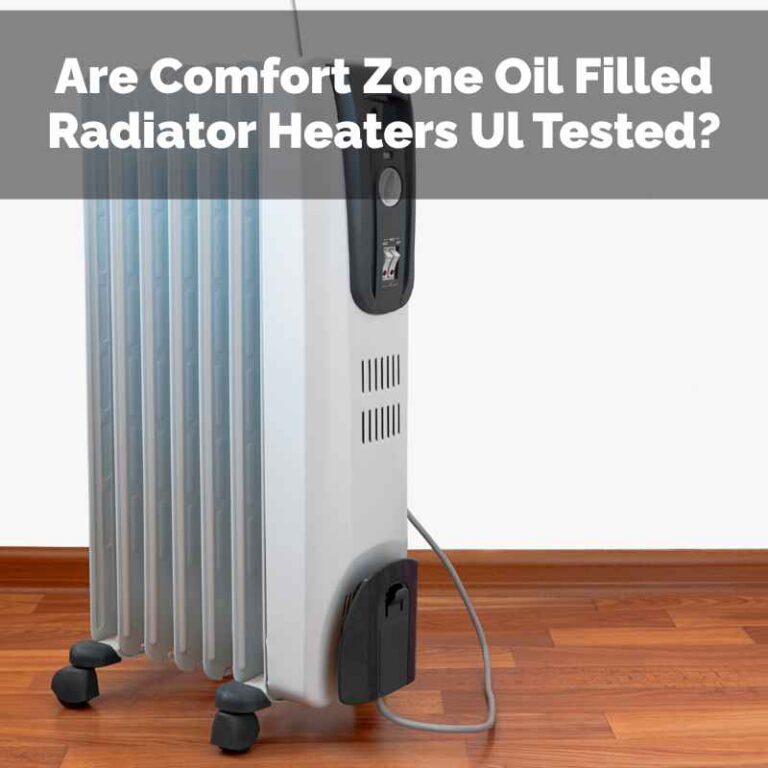
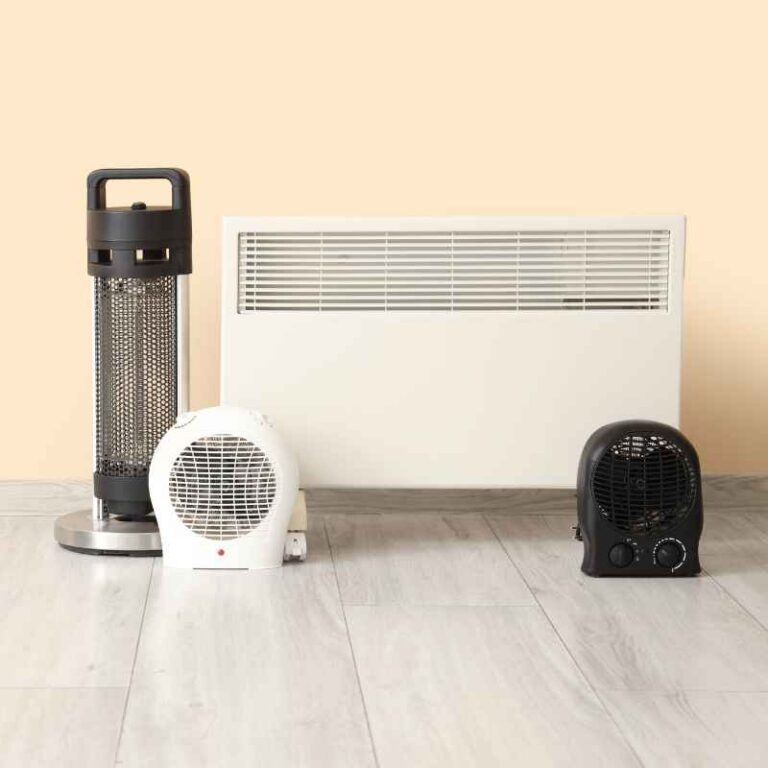
There are a few main types of radiant heaters. Infrared heaters are a common example. They can be electric or gas-powered.
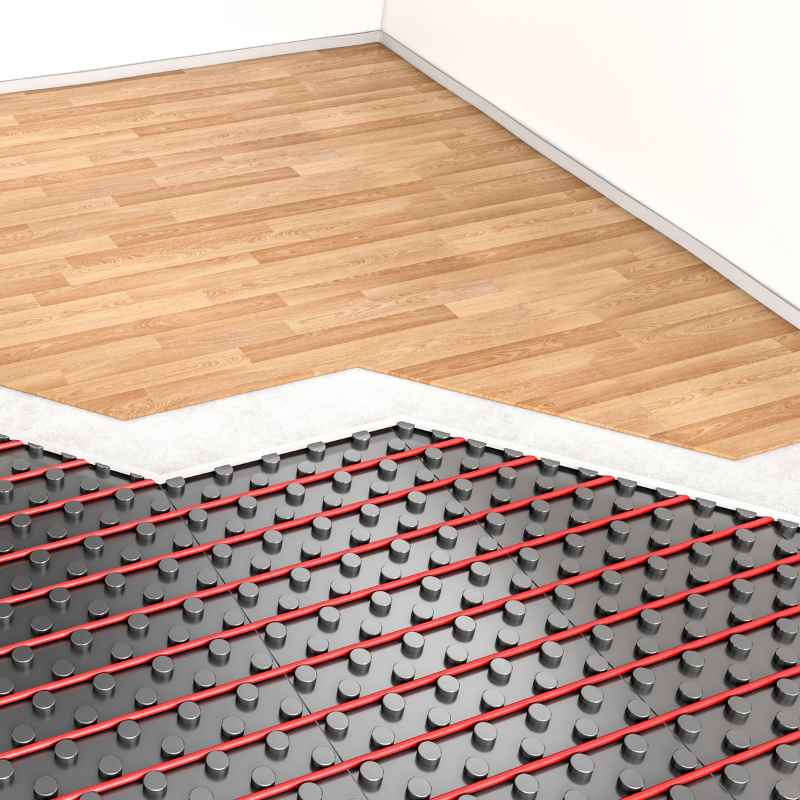
Hydronic baseboard heaters use hot water that runs through pipes. These pipes are usually along your walls. Each type has its own way of sending out warmth.
The main idea is that the heat energy is transferred directly. It’s like standing in a sunbeam. You feel warm right away.
This direct warmth is a key difference. It’s what gives radiant heaters many of their unique benefits. It’s not about warming up the entire room’s air first.
It’s about warming up what’s inside the room.
The Comfort Factor: More Than Just Warmth
One of the biggest perks of radiant heat is the sheer comfort it offers. Because it warms objects and people directly, you feel that warmth much faster. You don’t have to wait for the whole room’s air to get up to temperature.
This means you can feel cozy even if the air temperature isn’t super high.
Many people describe radiant heat as a “deeper” kind of warmth. It doesn’t leave you feeling dry or with that stuffy air feeling. Forced-air systems can sometimes create hot and cold spots.
One minute you’re too hot, the next you’re too cold. Radiant heat tends to be more even. It spreads its warmth gently.
Imagine walking into a room on a cold morning. With radiant heat, you might feel a pleasant warmth on your skin almost instantly. This is because the heat waves are directly hitting you.
It’s a very natural and comfortable sensation. It feels less like being blasted with heat and more like being wrapped in a gentle hug.
The quiet operation is another big win for comfort. Unlike furnaces that have fans and blowers, many radiant systems are nearly silent. Baseboard heaters make little to no noise.
Some electric radiant panels are also very quiet. This makes them ideal for bedrooms, living areas, and any space where peace and quiet are important.
Think about the difference. A noisy furnace kicking on can be disruptive. A quiet baseboard heater just does its job without fuss.
This peace and quiet adds to the overall feeling of comfort and relaxation in your home. It’s a subtle thing, but it makes a big difference in how you experience your living space.
Comfort Compared: Radiant vs. Forced Air
Radiant Heat:
- Warms objects and people directly.
- Feels like natural warmth, similar to the sun.
- More even heat distribution.
- Quieter operation.
- Less drying of air.
Forced Air Heat:
- Warms the air and circulates it.
- Can create drafts and uneven temperatures.
- May dry out the air significantly.
- Fans and blowers can be noisy.
Energy Efficiency: Saving Money and Resources
When we talk about heating, energy efficiency is always a big topic. Radiant heaters can be very efficient. Because they heat objects directly, less energy is wasted warming up the air.
Air can escape through leaks in your home. Warming up objects means that warmth stays put.
This direct heating approach means you often don’t need to set your thermostat as high. You feel comfortable at lower temperatures. This can lead to significant savings on your energy bills.
For example, if you can feel perfectly comfortable at 68 degrees Fahrenheit with radiant heat, but need 72 degrees with forced air, that’s real savings.
Another factor is zoning. Many radiant systems allow for good zone control. You can heat specific rooms or areas of your home when you need them.
You don’t have to heat the whole house if you’re only using one or two rooms. This is a huge advantage for saving energy.
Imagine you’re not using your guest bedroom. With a zoned radiant system, you can turn the heat down or off in that room. You only spend energy heating the areas where you spend your time.
This smart use of energy is good for your wallet and good for the environment.
Some radiant systems can also recover heat more effectively. Once objects are warmed, they tend to hold that heat for a while. This means the system might not need to cycle on as often.
It’s like a warm stone that stays warm long after the sun has set. This passive warming helps reduce overall energy use.
For instance, consider electric radiant floor heating. Once the floor is warm, it stays warm for a good amount of time. Even after the heating element turns off, the floor continues to radiate gentle heat into the room.
This reduces the demand on the system and saves electricity.
It’s important to note that efficiency can depend on the specific system. Installation quality and how you use the system matter. But the fundamental principle of direct heating makes radiant options very promising for energy savings.
This is a key advantage many homeowners look for.
Healthier Air Quality: A Breath of Fresh Air
For many people, indoor air quality is a major concern. Forced-air systems can sometimes be problematic. They circulate air, which means they also circulate dust, pollen, pet dander, and other allergens.
This can be tough on people with allergies or asthma.
Radiant heat works differently. It doesn’t rely on blowing air around. This means it stirs up much less dust.
It doesn’t push allergens through the air in the same way. This can lead to a cleaner, healthier indoor environment for everyone in the home.
Think about how a dusty room feels when the AC kicks on. Everything gets a bit hazy. With radiant heat, this common annoyance is greatly reduced.
The air feels fresher and cleaner. This is a significant benefit, especially for families with young children or elderly members.
Another point is humidity. Forced-air systems can often dry out the air. This can lead to dry skin, scratchy throats, and static electricity.
Radiant heat tends to maintain more natural humidity levels. This makes the air feel more comfortable and less harsh on your respiratory system.
Consider the simple act of breathing. With radiant heat, you are breathing air that has been less disturbed. It’s air that hasn’t been passed through a system designed to move it forcefully.
This can make a noticeable difference in comfort and well-being.
In homes with young children, who are often more sensitive to air quality issues, this benefit is invaluable. It means a more comfortable and healthier space for them to play and sleep. The reduction in airborne irritants is a subtle but powerful advantage.
It contributes to a healthier home overall.
Radiant Heat & Air Quality: The Benefits
Reduced Dust and Allergens:
- No forced air circulation.
- Less dust stirred up.
- Beneficial for allergy sufferers.
Balanced Humidity:
- Air feels less dry.
- Reduces scratchy throats and dry skin.
- More comfortable breathing.
Quiet Operation: Peace in Your Home
Noise pollution can really impact the feel of a home. Noisy appliances and heating systems can be a constant source of irritation. One of the standout advantages of many radiant heating systems is how quiet they are.
Hydronic baseboard heaters, for example, are incredibly quiet. The hot water flows through the pipes, and the fins release heat. There are no fans, no loud noises, just gentle warmth.
This is a huge plus for creating a peaceful atmosphere in your home.
Electric radiant panels and infrared heaters are also typically very quiet. They generate heat through electrical resistance or infrared waves. They don’t need motors or blowers to distribute the heat.
This means you won’t hear that familiar ‘whoosh’ or rumble when they turn on or off.
Think about a quiet evening at home. You’re reading a book or watching a movie. The last thing you want is a loud heating system interrupting the peace.
Radiant heat delivers warmth without the noise. It blends into the background, allowing you to enjoy your home.
This quiet operation is especially appreciated in living spaces like bedrooms, nurseries, and home offices. In these areas, a quiet environment is crucial for rest, focus, and relaxation. The absence of noise contributes significantly to the overall comfort and tranquility of these spaces.
Even in shared living areas, a quieter home is a more pleasant home. Conversations are easier. Music sounds better.
You can simply relax without the distraction of mechanical noise. The unobtrusive nature of radiant heating is a key part of its appeal.
I remember working in a home that had an older, very noisy furnace. Every time it cycled on, it sounded like a small airplane was taking off. The family with young kids told me it often woke the baby.
When they switched to a radiant floor heating system in the main living areas, the difference in peace was remarkable. They could finally enjoy quiet evenings without that constant interruption.
Zone Heating Potential: Heating What You Need
One of the most practical advantages of radiant heaters is their ability to provide zone heating. This means you can heat specific areas of your home independently. You are not forced to heat every single room all the time.
This is incredibly useful for modern living. We don’t always use every room at the same time. Maybe you only spend time in the living room and kitchen during the day.
In the evening, you might move to the den. With zoned radiant heat, you can adjust the temperature for each area.
This level of control offers a couple of big benefits. First, it’s about comfort. You can make sure the rooms you are using are at your perfect temperature.
Second, it’s about efficiency. You save energy by not heating unoccupied rooms.
Consider a multi-story home. You might want the main living areas warm during the day. But perhaps the bedrooms don’t need to be as warm until bedtime.
Or, during warmer months, you might only need to heat a small part of the house. Zone heating makes this possible and practical.
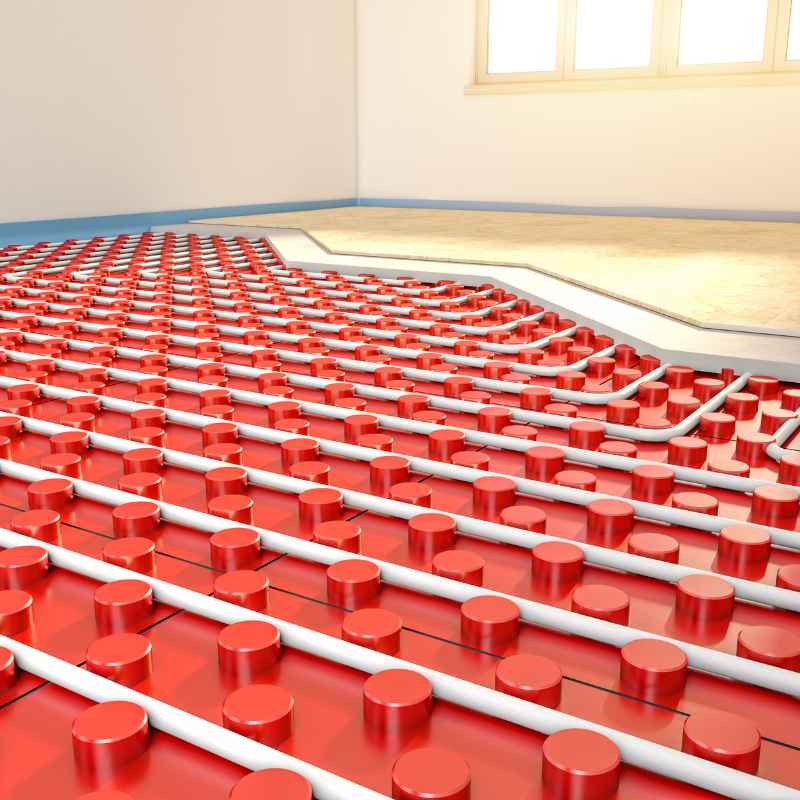
Many radiant systems, like electric radiant floor heating or hydronic systems with individual thermostats in rooms, are designed for this. You can install thermostats in each zone. Then you simply set the desired temperature for that zone.
I’ve seen this work wonders in larger homes or older homes that are hard to heat evenly with a single system. Instead of trying to push heat to every corner, they can focus the warmth where it’s needed most. This also helps ensure that rooms that might traditionally be colder, like basements or additions, can be kept comfortable when in use.
The ability to tailor your home’s temperature to your lifestyle is a significant advantage. It’s about using energy smartly. It’s about making your home comfortable for everyone, at all times.
Zone heating with radiant systems makes this a reality for many.
Smart Heating with Zones
How Zone Heating Works:
- Divides your home into separate heating areas.
- Each zone has its own thermostat or control.
- Allows you to set different temperatures for different rooms.
Key Benefits:
- Energy Savings: Only heat rooms you are using.
- Custom Comfort: Set ideal temperatures for each space.
- Flexibility: Adapt to your daily routine.
Reduced Energy Waste: Directing Heat Where It Counts
Wasting energy is like throwing money out the window. One of the fundamental advantages of radiant heaters is their ability to reduce energy waste. This comes back to how they transfer heat.
Forced-air systems heat the air. This warm air rises. Some of it escapes through cracks and gaps in your home’s envelope (walls, windows, doors).
This means you’re heating air that’s constantly being lost.
Radiant heat, on the other hand, warms surfaces. These warmed surfaces then radiate heat back into the room. This process is much more direct.
It’s less affected by drafts or air leaks. The warmth is absorbed by objects and people and stays where it is.
Think of it like this: If you have a bucket with a hole in it, and you keep pouring water into it, you’re wasting water. Forced air is like pouring water into that leaky bucket. Radiant heat is more like filling the bucket itself, so it holds the water better.
This means that even in a home with some air leaks, radiant heat can still be effective. The heat is delivered directly to where it’s needed, rather than being carried by air that can easily escape. This makes it a more resilient heating method in older homes or homes that aren’t perfectly sealed.
Furthermore, because radiant heat warms objects, those objects then act as heat sinks. They store the warmth. This stored heat is then released slowly, providing a more consistent temperature.
This reduces the need for the heating system to cycle on and off constantly, which is a major source of energy inefficiency in many systems.
Consider the feeling of standing near a warm window on a sunny day, even if the room air isn’t that warm. The window is absorbing solar radiation and re-radiating it. Radiant heating works on a similar principle, but controlled by your heating system.
It’s a very efficient way to feel warm.
I’ve noticed in older homes where insulation might not be top-notch, radiant floor heating can make a huge difference. The floor itself becomes a large, gentle radiator. Even if there are some drafts coming from windows, the warmth is coming up from below, creating a more comfortable and less wasteful heating experience.
Aesthetics and Space Saving: Clean Looks, More Room
When it comes to heating, aesthetics and how the system fits into your home’s design are important. Many radiant heating systems are designed to be discreet. This can be a significant advantage, especially if you care about the look of your rooms.
Hydronic baseboard heaters are probably the most visible type of radiant heater. However, even these can be painted to match your walls. They run along the bottom of your walls, so they don’t take up usable floor space.
Electric radiant panels can be mounted on walls or ceilings. Some are designed to blend in seamlessly. Others can even serve as decorative features.
You can get panels that look like artwork or mirrors. This allows the heating system to be integrated into the room’s decor.
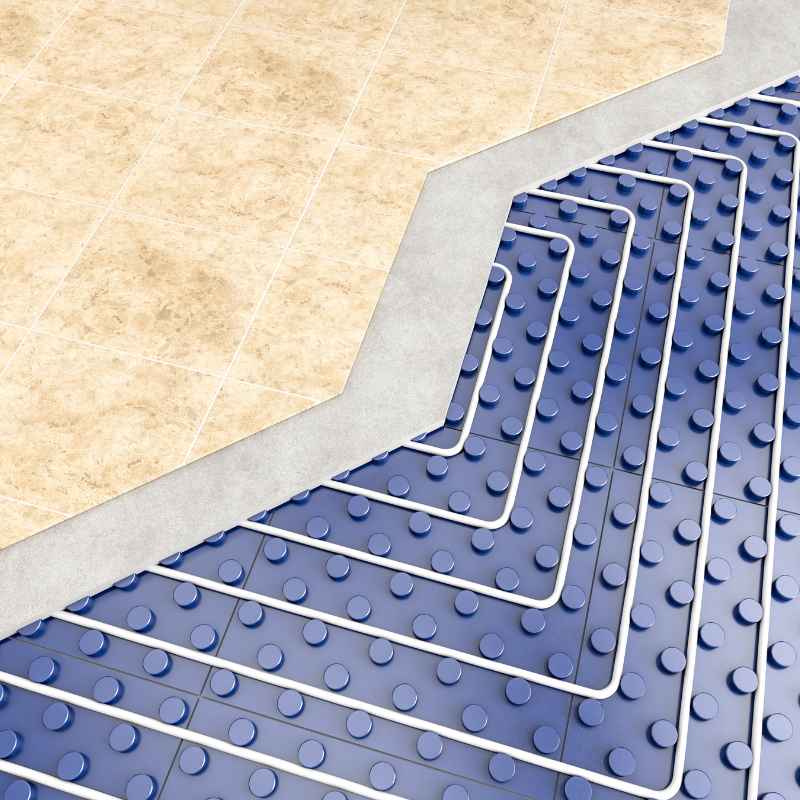
Perhaps the most space-saving and aesthetically pleasing option is radiant floor heating. The heating elements are installed beneath the flooring. Once installed, they are completely invisible.
You would never know they are there, other than the consistent warmth radiating from the floor.
This invisibility means you have complete freedom with your interior design. You don’t have to work around bulky radiators or vents. You can place furniture anywhere you like without blocking heat flow.
This opens up a lot of possibilities for room layout and furniture arrangement.
Think about a room with large windows. With forced air, you often have vents placed strategically, which can limit where you put your sofa. With radiant floor heating, that limitation disappears.
The entire floor is a heating source, and it doesn’t interfere with your view or your design choices.
I’ve seen beautiful renovations where the client wanted a minimalist look. Installing radiant floor heating allowed them to achieve that. There were no radiators to hide or distract from the clean lines of the room.
It truly makes a difference in the overall feel and functionality of a space.
This lack of visible hardware means less clutter. It means a cleaner, more open feel to your rooms. For many homeowners, this hidden comfort and seamless integration is a major advantage that radiant heating systems offer.
Design Benefits: Invisible Warmth
Radiant Floor Heating:
- Completely hidden beneath flooring.
- Invisible installation.
- Allows for maximum design flexibility.
- No impact on wall space or furniture placement.
Other Radiant Options:
- Baseboard Heaters: Run along walls, can be painted to match.
- Wall/Ceiling Panels: Can be discreet or decorative.
What This Means for Your Home
So, what do all these advantages mean for you and your home? It means that radiant heating offers a different, and often superior, way to stay warm. It’s a move away from simply blowing hot air around and towards a more comfortable, efficient, and healthier approach.
If you’re looking for a heating system that provides a consistent, comfortable warmth that feels natural, radiant heat is worth serious consideration. If you’re tired of noisy furnaces, dry air, and uneven temperatures, the quiet efficiency of radiant systems might be the answer.
For those who struggle with allergies or asthma, the improvement in air quality can be life-changing. The reduction in circulating dust and allergens creates a much healthier living environment. This is a benefit that goes beyond simple comfort.
And for homeowners who are conscious of their energy bills and their environmental impact, the efficiency of radiant heat is a major plus. By heating objects and people directly and allowing for better zone control, you can significantly reduce energy waste.
If you’re planning a renovation or building a new home, integrating radiant heating from the start can be especially effective. For existing homes, options like electric radiant floor heating or infrared heaters can be installed, though they might require more planning.
Ultimately, choosing radiant heat means opting for a smarter, more comfortable way to heat your home. It’s about creating a living space that feels truly cozy, healthy, and efficient. It’s an investment in your home and your well-being.
Quick Checks and Tips
When considering radiant heating, here are a few things to keep in mind:
- Installation: Radiant systems, especially floor heating, can be more involved to install than forced-air. Professional installation is highly recommended.
- Response Time: Radiant systems, particularly floor heating, can take longer to heat up. They are designed for continuous background heat rather than rapid bursts.
- Type of System: Understand the different types (hydronic, electric, infrared) and which best suits your home and budget.
- Thermostats: Proper thermostat placement and programming are key to maximizing efficiency and comfort.
- Maintenance: Most radiant systems require very little maintenance, which is another advantage.
Frequently Asked Questions About Radiant Heaters
What is the main difference between radiant and forced-air heating?
Radiant heating warms objects and people directly with heat waves, like the sun. Forced-air heating warms the air and blows it through ducts.
Are radiant heaters more energy-efficient than other types?
Yes, radiant heaters can be more energy-efficient because they heat objects directly, reducing waste from heating air that escapes. They also often allow for better zone control.
Can radiant heat help with allergies?
Yes, radiant heat can improve air quality by not blowing air around, which stirs up less dust, pollen, and other allergens.
How long does it take for radiant floor heating to warm up?
Radiant floor heating can take several hours to reach its set temperature. It’s best for providing consistent, background warmth rather than quick heating.
Are radiant heaters noisy?
Most radiant heaters are very quiet. Hydronic baseboard heaters and electric panels make little to no noise, unlike the fans and blowers in forced-air systems.
Can I install radiant heating in an older home?
Yes, it’s often possible to install radiant heating in older homes. Electric radiant floor heating or infrared heaters can be retrofitted, though it requires careful planning.
Conclusion
Exploring the advantages of radiant heaters reveals a compelling case for this heating method. From enhanced comfort and improved air quality to significant energy savings and quiet operation, radiant systems offer a refined approach to home heating. They provide a different kind of warmth, one that feels more natural and integrated into your living space.
Considering these benefits can lead to a cozier, healthier, and more efficient home.