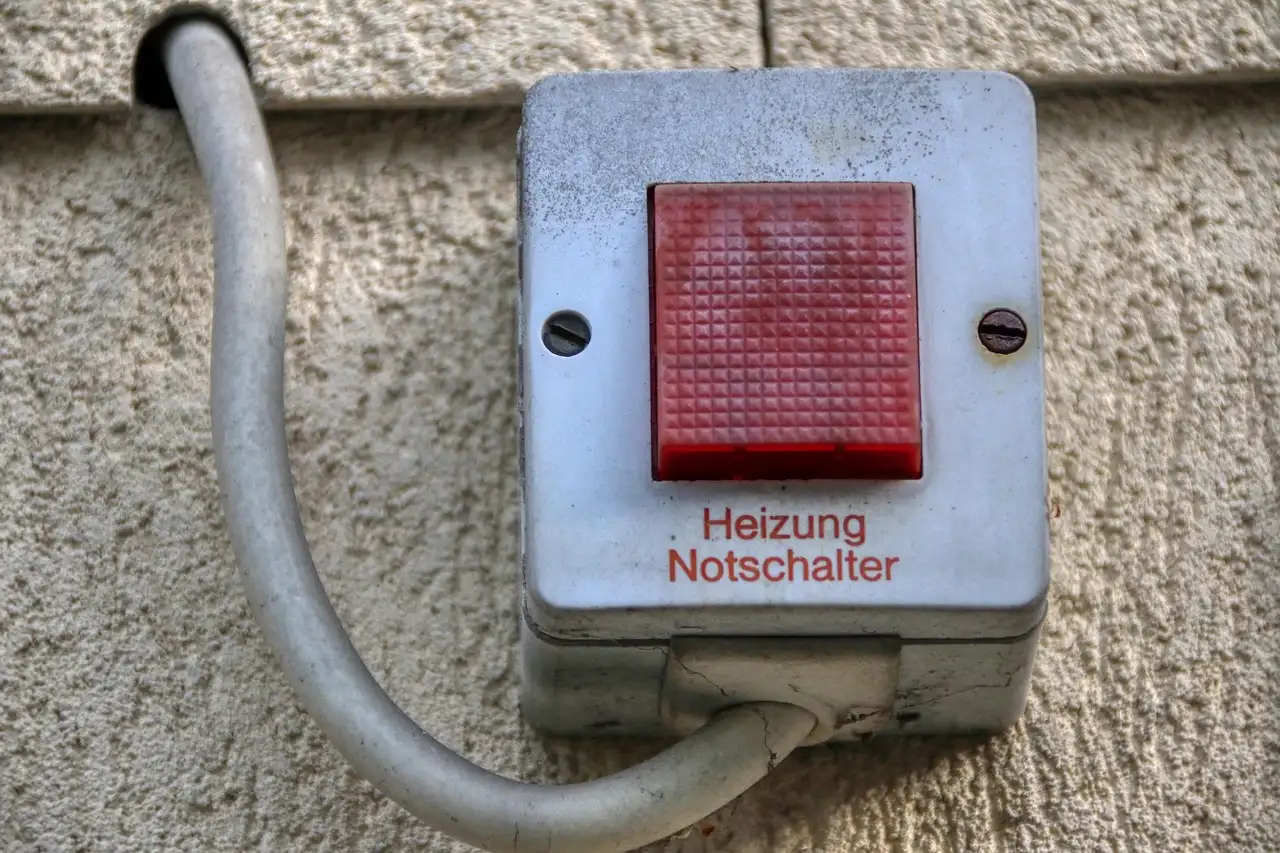
When Should You Use Emergency Heat on a Heat Pump?
Use emergency heat only when the heat pump has failed, is badly iced over, or a technician has advised switching it on. Otherwise leave the thermostat on Heat or Auto and let auxiliary heat stage in by itself. Leaving it on too long can drive up electric bills and hide a repairable problem. This guide explains emergency heat vs. auxiliary heat, a fast decision checklist, and the signs that mean you need service.
Emergency heat basics
Emergency heat is a manual thermostat setting on many systems. It usually locks out the outdoor heat pump compressor and uses backup heat only, so it is a temporary bridge until the heat pump is repaired or the outdoor unit can work again. Auxiliary heat is different because the thermostat often stages it on automatically during high demand or defrost.
On a typical heat pump, normal winter operation still includes brief defrost cycles. During defrost, the outdoor fan may stop for a short time, and steam or a whoosh from the outdoor unit can be normal. That is not the same as emergency heat, and it is not a reason to flip the thermostat immediately.
Backup heat source design varies. Some systems use electric resistance strips. Others use a gas or oil furnace in a dual-fuel setup. The thermostat label, installer settings, and the backup stage available in your home all matter, so do not assume every system behaves the same way.
What emergency heat does
Emergency heat tells the thermostat to stop relying on the outdoor heat pump side and call for the indoor backup heat instead. Thermal Solutions says the outdoor unit shuts off in emergency heat, and emergency heat relies on indoor backup heat only. That makes it useful when the compressor or outdoor unit cannot do its job.
How it differs from auxiliary heat
Auxiliary heat is automatic. The thermostat can bring it on briefly when demand is high or during a defrost cycle. Emergency heat is manual. If the backup stage appears for a few minutes on a cold day, that can still be normal. If you set emergency heat on purpose, you are choosing backup heat only.
Why it is a temporary setting
AFM says emergency heat is intended as a temporary measure and there is no universal hard limit on duration. That does not mean it should stay on for days without a plan. If emergency heat becomes the main way you heat the house, the system needs attention.
When should you use it?
Use emergency heat when the heat-pump compressor or outdoor unit has failed, when the outdoor unit is badly iced over, or when storm damage has taken the outdoor section out of service and the backup heat still works. A broken compressor is a valid reason to switch, but cold air outside by itself is not.
A common first-timer mistake is to switch to emergency heat just because the house feels slow to warm up on a 20°F morning. If the system is otherwise running normally, auxiliary heat may already be helping, and the thermostat may be doing exactly what it should.
When the compressor has failed
If the outdoor unit runs but does not move heat, or if the compressor will not start, emergency heat can keep the house warm until service arrives. F1 states that emergency heat should be used when the heat-pump compressor or outdoor unit has failed. That is the clearest case for using it.
When the outdoor unit is damaged or iced over
Heavy ice on the fan or coils is another valid use case. If a storm has packed the outdoor unit with ice, or if branches or debris have damaged the cabinet, switch to emergency heat only if the indoor backup heat still starts. Do not chip ice or pour boiling water on the unit.
When backup heat still works
Emergency heat only helps if the backup stage is alive. If the home uses electric strips, the strips must energize. If the home uses a gas or oil furnace as backup, that furnace must fire. If backup heat does not start, emergency heat will not solve the problem and you need service.
When should you leave it off?
Leave emergency heat off for normal cold weather, for brief defrost events, and for comfort complaints that are not tied to a real failure. If the thermostat is only calling for auxiliary heat for a short period, that is normal. Emergency heat should not become your default winter setting.
Cold weather alone is not enough
No outdoor temperature automatically tells you to switch to emergency heat. System condition matters more than the weather forecast. A heat pump in a mild climate and a cold-climate heat pump in freezing weather can both operate normally with auxiliary heat staging when needed.
Normal frost and defrost are not emergencies
Light frost on the outdoor coil is common in winter. Defrost may stop the fan briefly, then release steam or make a whoosh. That behavior can look strange, but it often means the unit is working as designed. Emergency heat is unnecessary unless the unit cannot recover from icing.
Brief auxiliary heat calls are normal
Auxiliary heat can appear briefly when the thermostat needs extra output, such as after a setback recovery or during defrost. That is not the same as emergency heat. If the thermostat is in Heat or Auto and comfort is stable, do not switch modes just because AUX appears on the display.
Emergency heat decision table
Use this checklist to separate a normal winter cycle from a real failure. The last column tells you whether emergency heat is appropriate, unnecessary, or unsafe.
| Symptom | Likely cause | Best action | Emergency heat appropriate? |
|---|---|---|---|
| Normal frost on the outdoor coil, then brief steam or a whoosh | Normal defrost cycle | Leave the thermostat in Heat or Auto and let the cycle finish | Unnecessary |
| Heavy ice on the fan or coils after a storm | Severe icing, airflow blockage, or outdoor unit trouble | Switch to emergency heat only if the backup heat works, then call HVAC service | Appropriate |
| Cold air from vents when heat is requested | Compressor problem, defrost issue, or backup heat not staging | Check thermostat mode and emergency heat indication; if the backup stage still does not warm the air, call service | Maybe appropriate |
| Outdoor fan not running at all when the system should heat | Outdoor unit failure, iced fan, or electrical problem | Use emergency heat if backup heat is available, then schedule service | Appropriate |
| Compressor will not start or is clearly failing | Heat-pump compressor failure | Run emergency heat and arrange HVAC service right away | Appropriate |
| Breaker or disconnect trips | Electrical fault, often in a high-current circuit or heat-strip compartment | Do not reset repeatedly or open covers; call HVAC service or an electrician as needed | Unsafe |
| Emergency heat stays on but the house still feels cold | Backup heat not energizing, thermostat mis-set, or a failed strip/furnace stage | Confirm EM Heat status and call service if warm air does not return quickly | Unsafe |
| Emergency heat is selected even though the heat pump is working | Manual mode left on by mistake | Turn it off and return to Heat or Auto | Unnecessary |
How to turn it on safely
Find the thermostat label first. Thermostat labels vary by brand and installer settings, so do not assume the button name will match another home. Confirm that the display shows EM Heat or an equivalent emergency setting before you leave it on. Then make sure warm air actually starts from the registers.
- Set the thermostat to Emergency Heat only after you have a real failure or severe icing problem.
- Check the display for EM Heat or the model’s equivalent status.
- Listen for the indoor backup heat to start.
- Feel the supply air at a vent within a few minutes.
- Turn emergency heat back off once the system is repaired or the outdoor unit can run again.
If your home uses electric resistance strips, the air may feel hot rather than merely warm. If it uses a gas or oil backup furnace, the timing and startup sound may differ. Either way, a working backup stage should change the air temperature. If it does not, the problem is bigger than a thermostat setting.
Suppose a 2,000-square-foot home suddenly loses compressor output during an ice storm. If the indoor backup heat still starts, emergency heat can keep the house habitable until the outdoor unit is cleared or repaired. If the backup stage never comes on, emergency heat is not solving the problem and service is urgent.
What if it is blowing cold air?
If emergency heat is selected and the vents still blow cool air, the backup stage may not be engaging. That can point to a thermostat setup problem, a failed strip bank, a furnace ignition problem, or a breaker issue. Do not assume the thermostat is lying; verify the setting and call for service if the air does not warm quickly.
Check the backup heat path
Emergency heat depends on the indoor backup source, not the outdoor compressor. If the backup source is electric strips, a failed relay or tripped breaker can stop heat output. If the backup source is gas or oil, an ignition, fuel, or control issue can keep the furnace from starting.
Do not open electrical compartments
Electrical breaker or disconnect trips are urgent service issues, especially in heat-strip compartments. Those parts carry high current. Homeowners should not open those covers or keep resetting a breaker that trips again. That pattern usually means the problem needs a technician.
When to call HVAC service
Call HVAC service if the compressor or outdoor unit fails, if emergency heat runs too long, or if backup heat does not start. F1, F9, and F10 together point to the same practical rule: emergency heat is a stopgap, not the fix. The repair work still needs to happen.
Winter ice and storm damage
Normal frost and severe icing are different problems. Light frost can clear during a defrost cycle. Heavy ice that covers the fan, coil, or cabinet edge can block airflow and stop the heat pump from doing useful work. That is the point where emergency heat may be justified.
Do not chip ice off the coil or pour boiling water on the unit. Either can damage fins, wiring, or plastic parts. If you can safely see that the outdoor unit is packed with ice, keep the thermostat on emergency heat only if the backup system is available, then arrange service.
Picture a dual-fuel home with a gas backup furnace. The outdoor unit is rimmed with ice after freezing rain, but the indoor furnace still fires. Emergency heat can carry the load while the outdoor section is inspected. If the gas furnace does not start, the issue is no longer just the heat pump.
Frequently asked questions
When should you use emergency heat on a heat pump?
Use it when the heat-pump compressor or outdoor unit has failed, when the unit is badly iced over, or when storm damage has taken the outdoor section out of service. Leave it off for normal cold weather, brief defrost cycles, and ordinary auxiliary-heat calls that do not signal a failure.
When should you run your emergency heat on a heat pump?
Run it only as a temporary override when the heat pump cannot heat on its own. That usually means the compressor is down, the outdoor unit is damaged, or the unit is buried in heavy ice. If the backup heat does not start, emergency heat will not help and service is needed.
At what temperature should you use emergency heat on a heat pump?
No universal outdoor temperature tells you to switch. System condition matters more than the number on the weather app. A heat pump may call for auxiliary heat in severe cold and still be working normally. Use emergency heat only for a real failure or severe icing.
How does emergency heat on a heat pump work?
Emergency heat is a manual thermostat setting that usually locks out the outdoor heat pump compressor and sends the call to the backup heat only. Depending on the system, that backup heat may be electric resistance strips, a gas furnace, or an oil furnace. It is meant to be temporary.
What is emergency heat on a heat pump for?
It is for keeping the home warm when the heat pump side cannot operate safely or effectively. That includes compressor failure, outdoor unit damage, or heavy ice that blocks normal operation. It is not meant for ordinary winter use, and it should not replace a working heat pump.
How long can you use emergency heat on a heat pump?
The same source says there is no universal hard limit, but it also says emergency heat is intended as a temporary measure. Use it only long enough to get through the failure and arrange repair. If it stays on for more than a short time, the bill can rise fast and the fault may worsen.
What should you do if emergency heat on a heat pump is blowing cold air?
Check that the thermostat really shows emergency heat, then verify that the backup heat starts. If the air stays cool, the backup stage may have failed, a breaker may have tripped, or the thermostat may be misconfigured. Do not keep resetting breakers or opening electrical covers; call HVAC service.
Can you use emergency heat during an ice storm?
Yes, if the outdoor unit is badly iced over and the backup heat still works. That is one of the few times emergency heat makes sense. Use it as a temporary bridge, not a permanent fix, and avoid chipping ice or pouring hot water on the outdoor unit.
When is emergency heat not needed on a heat pump?
It is not needed when the system is in normal defrost, when auxiliary heat only comes on briefly, or when the house is simply slower to warm during cold weather. If the outdoor unit is operating normally and the backup stage is only helping, leave the thermostat alone.
When should you use emergency heat on a heat pump system?
Use emergency heat only when the system condition calls for backup heat only: compressor failure, outdoor unit damage, or severe icing that stops normal operation. If the thermostat still has a working heat pump and only auxiliary heat is staging briefly, emergency heat is unnecessary and can hide the real problem.
Sponsored / affiliate links. As an Amazon Associate I earn from qualifying purchases. I may earn additional commission from eligible campaigns.