Are Energy Credits Available for Water Heaters? What to Know
Energy credits for water heaters are available through federal and state programs, making high-efficiency models more affordable. This post explains what credits you can claim, how to qualify, and what it means for your wallet.
Simply put, yes – energy credits are available for water heaters through the federal Energy Efficient Home Improvement Credit and various state incentives. You can save up to $2,000 per year on qualifying electric heat pump water heaters, with specific efficiency requirements.
Key Takeaways
- Energy credits for water heaters can reduce your upfront cost by up to 30% with the federal credit.
- Heat pump water heaters are the most likely to qualify for the maximum credit amount of $2,000.
- Energy credits require specific efficiency certifications and proper installation documentation.
- State incentives may stack with federal credits for even greater savings.
- Claiming credits requires filing IRS Form 5695 with your tax return.
What Are Energy Credits for Water Heaters?
Energy credits for water heaters are federal tax incentives that reduce your income tax liability when you install qualifying high-efficiency models. They are part of the Inflation Reduction Act’s extension of the Energy Efficient Home Improvement Credit, covering various upgrades including water heaters.
The goal is to encourage homeowners to choose energy-saving units that lower utility bills and reduce environmental impact. According to the Department of Energy, water heating accounts for about 18% of home energy use, making it a prime target for efficiency gains. The Internal Revenue Service reports that millions of taxpayers claim energy credits each year, with total claims exceeding $2 billion annually for all improvements.
- Federal credit: Up to 30% of the cost with a maximum of $2,000 per year for heat pump water heaters.
- Eligible models: Must meet specific ENERGY STAR efficiency criteria, like a Uniform Energy Factor (UEF) of 3.0 or higher for heat pumps.
- No unit cap: You can claim credits for multiple water heaters in the same home if each qualifies individually.
- Annual limit rules: The $1,200 overall cap for all other energy improvements does not apply to heat pump water heaters.
- Installation requirement: The unit must be installed in your primary U.S. residence and meet performance standards set by the IRS.
Important: The credit is non-refundable, meaning it can reduce your tax bill to zero but won’t result in a refund if the credit exceeds taxes owed. Carryover is not allowed.
To qualify, the water heater must be placed in service between January 1, 2023, and December 31, 2032. The IRS has not specified a phase-out for this credit, so it remains available for the near future. Typical savings range from $300 to $2,000 depending on the unit type and cost.
How Do Federal Energy Credits Work?
The federal energy credit for water heaters operates as a direct reduction of your tax liability for eligible purchases. It is part of the Inflation Reduction Act, which extended and modified the Energy Efficient Home Improvement Credit to cover more products and higher amounts.
Here is a step-by-step breakdown of how to claim the credit:
- Purchase a qualifying water heater: Check the ENERGY STAR website or the manufacturer’s certification for specific model eligibility.
- Ensure proper installation: The unit must be installed in your primary residence in the United States. Rental properties and vacation homes do not qualify.
- Save receipts and certifications: Keep the sales receipt and manufacturer’s ENERGY STAR certification statement for your records. The IRS may request these during audits.
- File IRS Form 5695: Complete this form with your annual tax return. It calculates the credit based on the cost of the unit and installation labor.
- Apply the credit: The amount reduces your tax liability for that year. If the credit is larger than your tax owed, the excess is not refunded or carried forward.
The IRS estimates that about 15% of Form 5695 claims contain errors, often due to miscalculations or missing certifications. Using tax software or consulting a CPA can help avoid these mistakes. The credit is claimed annually, so if you install multiple upgrades in different years, you file a new form each time.
Tip: Use IRS Free File or reputable tax software that includes energy credit sections to ensure you don’t miss any deductions.
Eligible expenses include the purchase price of the water heater and installation labor costs. Sales tax is not included. The credit applies to both new construction and existing homes, as long as the unit is placed in service during the eligible period.
What Types of Water Heaters Qualify for Credits?
Not all water heaters qualify for energy credits. Only models that meet strict efficiency standards set by the ENERGY STAR program are eligible. The most common qualifying type is the heat pump water heater, but other efficient models also apply.
Here is a comparison table of eligible water heaters and their credit details:
| Water Heater Type | Credit Eligibility | Max Credit | Efficiency Requirement |
|---|---|---|---|
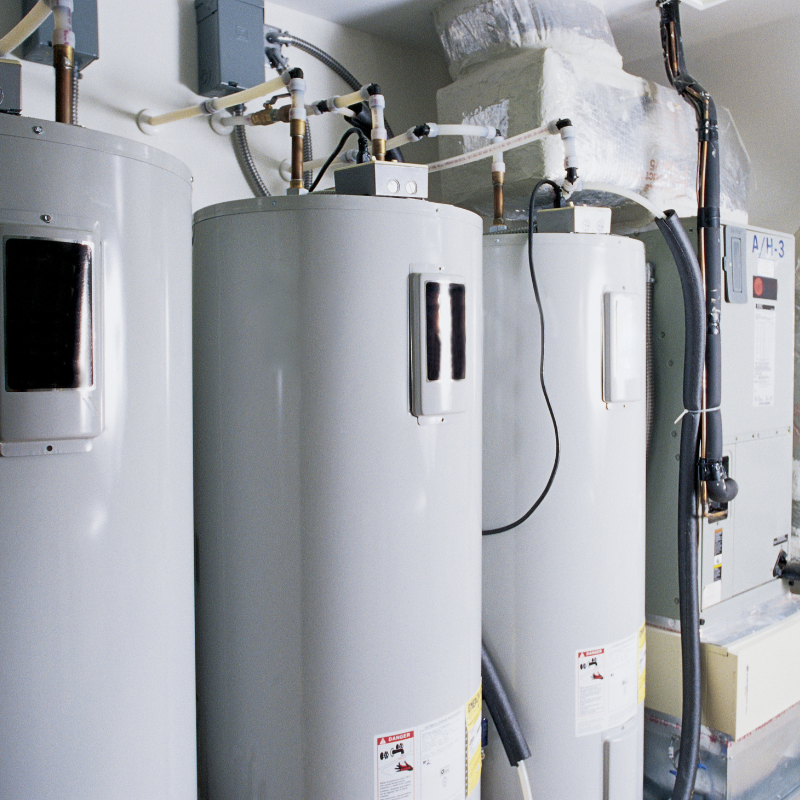
| Heat Pump (Hybrid) | Yes | $2,000 | UEF ≥ 3.0 |
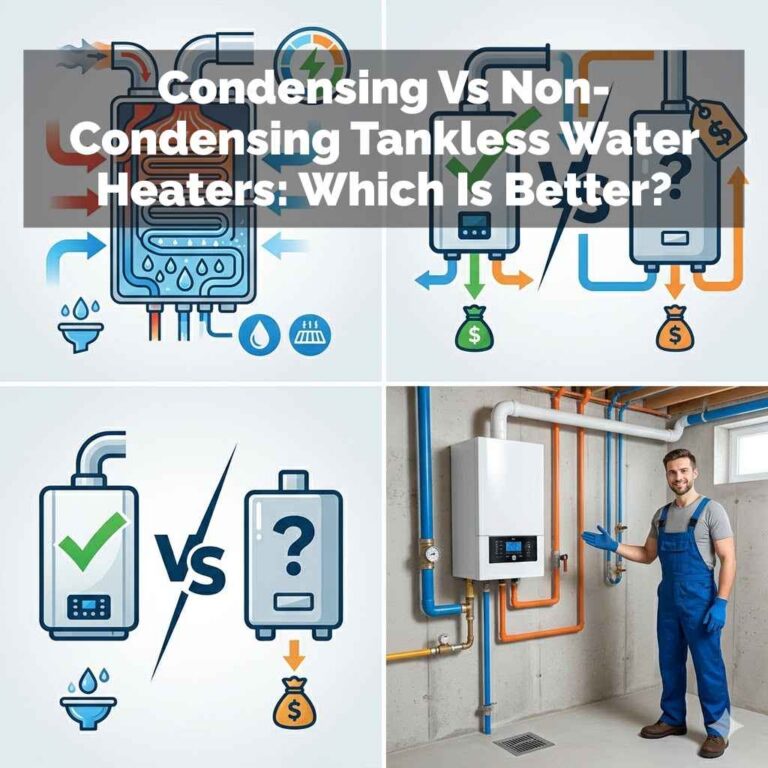
| Gas Condensing | Yes | $600 | UEF ≥ 0.95 |
| Solar Water Heater | Yes | 30% of cost | SRCC certification |
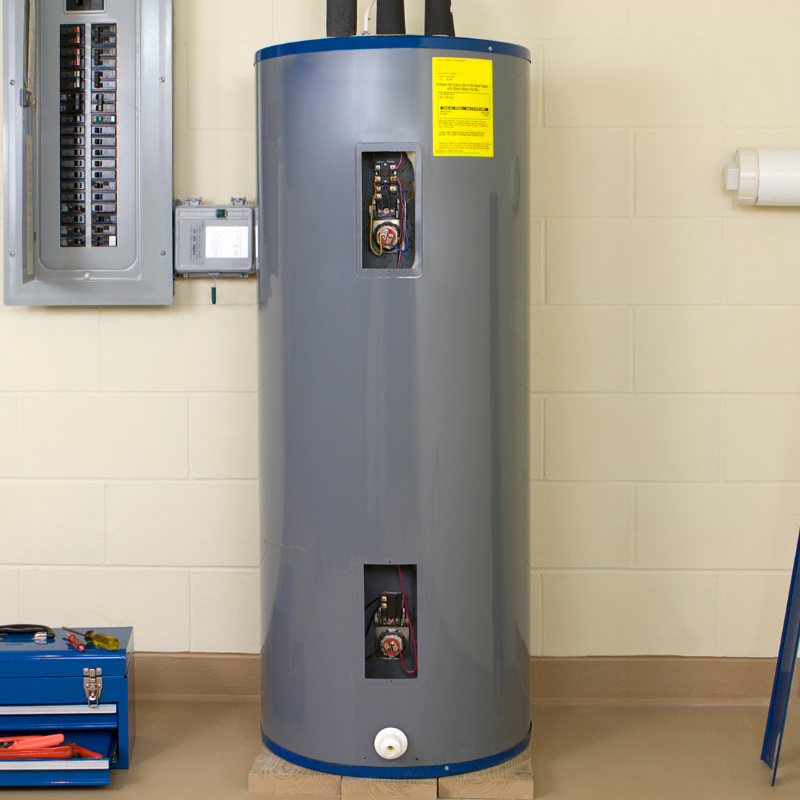
| Standard Electric | No | N/A | Does not meet threshold |
| Tankless | Some models | Up to $600 | UEF ≥ 0.95 |
Heat pump water heaters offer the largest savings due to their high efficiency. The Department of Energy notes that these units can save a typical household nearly $300 per year on energy bills compared to standard electric models. Gas condensing and solar models also qualify but with lower credit limits.
- Always verify the ENERGY STAR certification for the specific model number before purchasing.
- Some states have additional efficiency requirements for their own credits.
- Installation must comply with local building codes and manufacturer guidelines.
- Units installed in new construction homes qualify if they meet the same criteria.
- Consult the ENERGY STAR product finder for up-to-date lists of qualifying models.
How to Claim Your Energy Credit for a Water Heater
Claiming your energy credit for a water heater requires careful documentation and accurate tax filing. Follow these practical steps to maximize your savings without missing critical details.
Here is a numbered checklist for the claim process:
- Gather documentation: Collect the sales receipt, manufacturer’s ENERGY STAR certification statement, and proof of installation from the contractor.
- Check eligibility for your model: Use the ENERGY STAR website or the IRS’s qualifying products list to confirm the model is eligible.
- Calculate the credit: Multiply the total cost (including labor) by 30%, up to the applicable limit. For heat pump water heaters, the maximum is $2,000.
- Prepare IRS Form 5695: Enter the cost on Part II of the form. The form calculates the credit based on your tax situation.
- Attach to your tax return: Include Form 5695 with your IRS Form 1040 when filing electronically or by mail.
- Apply the credit: The IRS will apply the credit to reduce your tax liability for that year. No carryover is allowed.
Warning: Do not claim the same expense under multiple tax credits. The energy credit cannot be combined with other federal incentives like the Residential Renewable Energy Tax Credit for the same project.
If you are unsure, many tax software programs include step-by-step guides for Form 5695. The IRS also provides detailed instructions on their website. According to tax professionals, errors often involve misinterpreting the cost basis, so double-check your calculations.
Keep all records for at least three years in case of an audit.
State and Local Incentives for Water Heaters
Beyond federal credits, many states offer their own incentives for water heaters, further reducing costs. These programs vary widely but often stack with federal credits for total savings of $1,000 to $3,000 or more. Common incentives include rebates, tax credits, and sales tax exemptions.
Here is a sample table of state incentives (always check your local program for current details):
| State | Incentive Type | Amount | Eligibility |
|---|---|---|---|
| California | Rebate | Up to $1,000 | Heat pump water heaters only |
| New York | Tax credit | 25% of cost | ENERGY STAR models |
| Texas | Rebate | $300 – $500 | Income-qualified households |
| Massachusetts | Rebate | $750 | Electric heat pump units |
Check with your state energy office or local utility company for current offers. Some utilities also provide additional rebates for installing efficient water heaters, especially during peak demand periods. The North Carolina Clean Energy Technology Center reports that state and local incentives can add up to $2,000 in additional savings on top of federal credits.
Tip: Use the DSIRE database (Database of State Incentives for Renewables & Efficiency) to find all incentives in your area. It is updated regularly and includes program details.
In states with strong programs, homeowners can recover 50% or more of the total cost through combined incentives. For example, installing a $3,000 heat pump water heater might yield $1,000 from the state, $900 from the federal credit, and additional utility rebates.
Common Mistakes When Applying for Energy Credits
Applying for energy credits can be complex, and errors often cause delays or denials. Here are the most common mistakes and how to avoid them to ensure you receive the full benefit.
- Incorrect eligibility assumption: Not verifying that the specific model is on the IRS qualifying list. Just having an ENERGY STAR label is not enough.
- Missing documentation: Forgetting to keep the manufacturer’s certification statement, which is required by the IRS. Without it, your claim may be disallowed.
- Miscalculating the credit: Applying the 30% rate to the wrong cost basis or forgetting the annual cap for non-heat pump units.
- Double claiming expenses: Using the same water heater costs for multiple credits, such as both the Energy Efficient Home Improvement Credit and the Residential Energy Credit.
- Late installation: Installing the unit after the credit expiration date. The federal credit expires after 2032, so plan accordingly.
- Ignoring state limits: Some states cap incentives at a certain amount or income level. Always verify before purchasing.
Warning: If you claim a credit incorrectly, the IRS may disallow it and impose penalties. Always double-check your Form 5695 or seek professional help.
Another oversight is not considering the overall annual limit. For example, if you combine a gas condensing water heater with window replacements, the total credit for those upgrades is capped at $1,200. Plan your home improvements strategically to maximize credits across different tax years.
Frequently Asked Questions
What is the maximum energy credit for a water heater?
The maximum federal credit for a qualifying heat pump water heater is $2,000 per year. For other eligible water heaters like gas condensing units, the limit is $600 per year, subject to the overall $1,200 cap for all non-heat pump energy improvements.
Can I claim energy credits for a water heater in a rental property?
No, the Energy Efficient Home Improvement Credit is only for your primary residence. Rental properties, second homes, and vacation homes do not qualify. However, you may be eligible for separate business energy incentives if you own commercial property.
Do I need to file Form 5695 every year?
Yes, you must file IRS Form 5695 for each tax year in which you install qualifying energy improvements. This form calculates the credit and is attached to your annual tax return. Keep all documentation for at least three years in case of an audit.
Are older water heaters eligible for energy credits?
Older water heaters generally do not qualify because they do not meet current efficiency standards. The credit is specifically for new, high-efficiency models installed after January 1, 2023. Retrofitting older units rarely meets the required UEF thresholds.
Do energy credits for water heaters expire?
Yes, the federal credit is available through December 31, 2032. After that date, it may not be renewed by Congress. State incentives have varying end dates, so check with your local program for expiration details.
Final Thoughts
Energy credits for water heaters are a valuable incentive that can significantly lower your upfront costs while reducing long-term energy bills. Heat pump water heaters offer the best savings with federal credits up to $2,000, and combining state incentives can push total savings even higher. By understanding eligibility requirements and avoiding common filing mistakes, you can take full advantage of these programs and enjoy a more efficient home for years to come.