Best Heating Brands for Reliability and Service
For reliability and service, choose a brand with strong local dealer coverage and broad parts support. In many markets, Carrier, Trane, and Lennox are often seen as safer bets than lower-tier labels. Pick poorly, and a simple repair can take longer, cost more, or turn into an early replacement. This guide ranks heating brands by service access, parts availability, warranty terms, and total ownership cost before you buy.
What matters most in a heating brand?
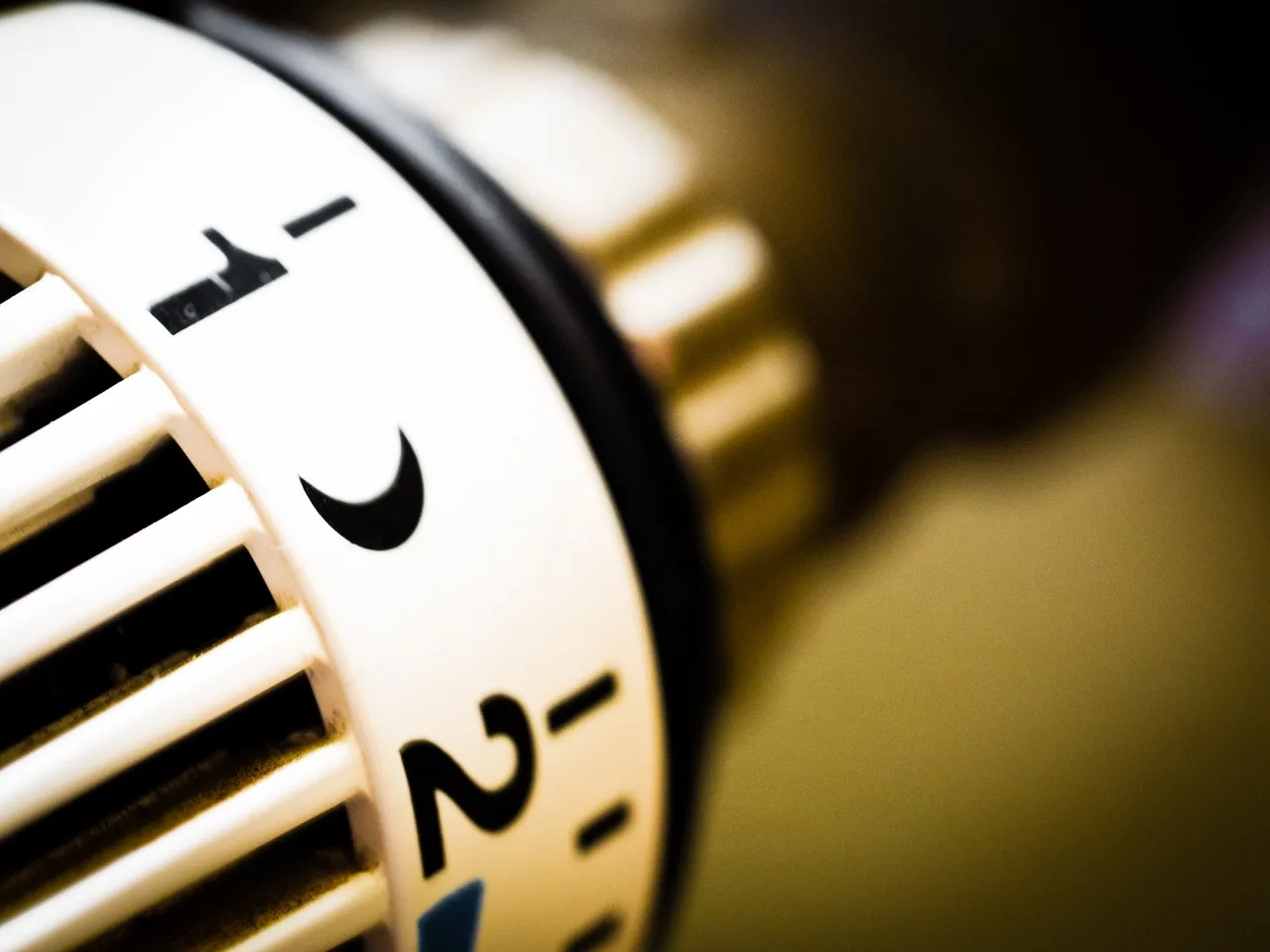
The best brand on paper is not always the cheapest to own. Once a furnace needs a board, sensor, inducer, or control swap, future serviceability usually matters more than brochure efficiency. Parts access, warranty rules, dealer dependence, and model complexity should carry more weight than brand reputation alone.
Installer quality still matters most. Sizing, ductwork, airflow, commissioning, and maintenance can make a strong brand seem unreliable, or let a modest brand run well for years.
Heating brand comparison table
| Brand | Local parts availability | Warranty simplicity | Control/proprietary-part risk | Model complexity | Contractor familiarity |
|---|---|---|---|---|---|
| Carrier | 4/5 Widely sold, but some parts route through dealer channels. |
3/5 10-year parts when registered, but coverage can depend on dealer network rules. |
2/5 Comfort, Performance, and Infinity can add proprietary control cost. |
2/5 Infinity systems add complexity that can raise repair time. |
4/5 Common premium brand, so many contractors know the equipment. |
| Trane | 4/5 Good parts access in many markets, especially through established dealers. |
4/5 10-year parts plus 12-year compressor warranty on XV series keeps coverage clear. |
3/5 Premium controls can cost more, but the service process is familiar. |
3/5 XR, XL, and XV offer more choices without the highest system complexity. |
5/5 Often a technician favorite for straightforward diagnosis and support. |
| Lennox | 3/5 Parts are available, but high-efficiency models can be more model-specific. |
3/5 Warranty terms are not the whole story when repairs need specialized parts. |
2/5 Higher parts and repair complexity risk, especially on advanced systems. |
2/5 Up to 28 SEER ratings often means more complexity in the product line. |
3/5 Known brand, but not always the easiest for quick, low-cost repairs. |
| Rheem | 5/5 Broad local availability is a strong point for repair turnaround. |
4/5 10-year parts warranty is simple to explain and compare. |
4/5 Less proprietary risk than many premium platforms. |
4/5 Balanced lineup keeps service more straightforward. |
5/5 Common mid-range choice, so many contractors are comfortable servicing it. |
| York | 4/5 Broad replacement options help when a part is needed fast. |
4/5 Warranty structure is generally easier to compare than premium-only packages. |
4/5 Lower proprietary lock-in than some higher-end systems. |
4/5 Mid-range lineup tends to stay service-friendly. |
4/5 Widely recognized, with many contractors able to quote it. |
| Daikin | 3/5 Parts coverage varies by model, so local stocking matters more. |
3/5 Up to 12-year parts warranty can be good, but model-specific coverage adds friction. |
3/5 Some systems are straightforward, but coverage can change by platform. |
3/5 Mini-split and ductless strengths can mean more model variation. |
3/5 Depends heavily on the installer and the exact product line. |
| Goodman | 5/5 Budget-friendly and common, with broad parts access in many areas. |
5/5 10-year parts warranty with no dealer requirement is unusually simple. |
4/5 Lower proprietary-part risk keeps repairs more predictable. |
4/5 Cleaner product line usually means easier service. |
5/5 Many contractors know it well because it is common in budget installs. |
How to read the table: higher scores mean lower service risk, faster parts access, and fewer surprises when the system ages. A brand can still be a good buy with a lower score if the installing contractor stocks parts and supports the model line you are buying.
Which brands are easiest to service?
Rheem, Goodman, Trane, and York usually score well for service because more contractors recognize the equipment and local parts access is often stronger. Carrier can also be easy to service, but dealer dependence can slow warranty work. Lennox and Daikin can be excellent in the right market, yet they are more sensitive to model choice.
Brands with broad local parts support
Rheem is one of the clearest choices when you want broad local availability and a simpler repair path. Goodman is also easy to source parts for because it is a budget-friendly option with a large installed base. York tends to benefit from broad replacement options, which helps when a home needs a fast fix.
Say your 2,000-square-foot home needs a control board at the start of heating season. A Rheem or Goodman dealer may be able to source the part faster than a less common configuration from a premium line, which can reduce downtime and avoid a temporary rental-heater situation.
Brands that are simpler to repair later
Trane and Rheem often look attractive for long-term service because many technicians are comfortable diagnosing them. Goodman is also straightforward when the system is a standard setup. Lennox can be the opposite end of the scale: high-efficiency design and smart integration can raise repair complexity risk over time.
A common first-timer mistake is buying the most advanced model in the quote stack because the efficiency number looks best. If the home has ordinary ductwork and a moderate load, a simpler unit can be easier to keep in service for years.
What dealer networks mean for service calls
Dealer networks can help or hurt. Carrier’s registered warranty can be 10-year parts, but dealer-network dependent coverage means the homeowner may need the right channel for warranty handling. That is not a problem in a dense market with strong dealer coverage. It is a real ownership risk in a thin market.
Warranty length is not the same as low repair cost. A 10-year parts promise still leaves labor, diagnostics, and scheduling delays. It also does not cancel the cost of a proprietary control board if the system uses one.

Premium brands can be worth the money when you want a wider dealer base, strong technician familiarity, or a specific high-end feature set. They are not automatically the safest ownership bet. Carrier, Trane, and Lennox can all make sense, but the service trade-offs are different.
Carrier and Trane in service terms
Carrier spans Comfort, Performance, and Infinity series, and Infinity 21 (26VNA1) reaches up to 21 SEER2. That helps buyers who want a premium option, but the service value depends on local dealer support and how much proprietary control hardware the chosen model uses.
Trane’s residential lineup includes XR, XL, and XV, and the XV series includes a 12-year compressor warranty. Trane also has a strong technician reputation, which matters when the home owner wants easier diagnosis and fewer service surprises.
Lennox and repair complexity risk
Lennox can reach up to 28 SEER ratings, and that high-efficiency focus is attractive on paper. The trade-off is repair complexity. More advanced controls, tighter integration, and model-specific parts can push future service costs higher than buyers expect at purchase time.
Picture a home with a zoned setup and a smart thermostat tied to a Lennox high-efficiency system. If one control component fails, the repair may require the correct matching part rather than a universal replacement, which can slow service and raise labor time.
Premium pricing makes sense when you know the local dealer network is strong, the model is common in your area, and the installer is comfortable commissioning it. It can also make sense when you value quieter operation or advanced control features, but those benefits should be weighed against repair access, not taken for granted.
Mid-range heating brands compared
Mid-range brands often offer the best ownership balance. Rheem, York, and Daikin are grouped here because they can reduce total cost of ownership without pushing the homeowner into the most expensive repair ecosystem. The right pick depends on local parts stocking and how much model-specific coverage the brand uses.
Rheem and local availability
Rheem is a balanced mid-range value brand, and that matters because value is not only about purchase price. It also means predictable service, common parts, and fewer surprises. Rheem models may include EcoNet smart diagnostics, which can help service work when the contractor knows the platform.
York and replacement flexibility
York sits in the mid-range price tier and offers broad replacement options. Its 13-20 SEER2 range gives buyers a fairly standard spread of efficiency choices without pushing them into the most complex product family. The Affinity YZV includes a lifetime compressor, which is notable, but the buyer should still ask how local warranty handling works.
Daikin and model-specific warranty coverage
Daikin can offer up to 12-year parts warranty coverage, but that coverage varies by model. It also has a strong mini-split and ductless presence, which is useful if the project is not a standard furnace swap. The key caution is simple: model-specific unit replacement coverage can complicate future ownership if the installer does not stock the right parts path.
Budget heating brands compared
Budget brands can be reliable enough for many homes when the installation is sound and the model is ordinary. Goodman is the clearest example. It is described as a budget-friendly option, and its 10-year parts warranty with no dealer requirement removes one of the biggest service headaches buyers face.
Goodman and no-dealer warranty requirements
Goodman’s warranty structure is a practical advantage. A 10-year parts warranty with no dealer requirement means fewer registration and channel hurdles than many buyers expect. Goodman also offers solid warranties on select models, which can improve value for rental properties and owner-occupied homes that want lower upfront cost.
Where budget brands make sense
Budget brands make sense when the home has standard ductwork, a straightforward layout, and a contractor who knows the product line well. They also fit rental properties and secondary homes where long-term feature complexity is not worth paying for. In those cases, repair simplicity can matter more than premium branding.
Where lower upfront cost can backfire
Lower upfront cost can backfire if the system is undersized, over-accessorized, or installed by a dealer who does not stock the right parts. A cheaper label does not fix bad airflow, and it does not protect you from labor charges. The savings disappear quickly if the unit is harder to keep in service.
Choose Carrier if… / Choose Goodman if…
Choose Carrier if you want dealer-backed premium coverage, plan to buy through a strong local network, and are comfortable with service that may depend on registration and dealer channels. Carrier also fits buyers who want the Comfort, Performance, or Infinity line and may value the Infinity 21 option at up to 21 SEER2.
Choose Goodman if you want simpler warranty access, broad value-oriented parts support, and a lower-risk path for repairs later. Goodman is a strong fit for budget installs, rentals, and homes where you want a common product line with a 10-year parts warranty and no dealer requirement.
What matters more: brand reputation or installer quality?
Installer quality matters more. A reputable brand cannot correct bad sizing, poor duct design, weak airflow, or sloppy commissioning. That is why a well-installed mid-range system often outperforms a premium unit that was selected for the wrong load or set up with poor airflow targets.
Brand reputation still matters for parts access, warranty handling, and service familiarity. But it should be the second filter, not the first. Start with the installer, then compare the brand’s warranty rules and parts support in your market.
Frequently asked questions
Which heating brands are most reliable for a new furnace?
Trane, Carrier, and Rheem are common starting points for buyers who want a strong mix of reliability and service support. Trane is often cited for durability, Carrier has broad premium coverage, and Rheem usually offers balanced value with good local access. Installation quality still decides the result.
Which furnace brands have the best local service and parts support?
Rheem, Goodman, Trane, and York usually rank well for local service because they are widely recognized and easier for many contractors to support. Goodman stands out for no-dealer warranty access. Trane often benefits from a strong technician reputation. Local market share still matters more than brand name alone.
Sometimes. Pay more if the premium brand comes with strong dealer support, a contractor who knows the product line, and features you actually want. Do not pay more just for the badge. A complex premium system can cost more to repair than a simpler mid-range unit.
Which HVAC brand is easiest to get repaired later?
Rheem and Goodman are often the easiest to repair later because their parts and service paths are usually straightforward. Trane is also a strong choice thanks to technician familiarity. The easiest brand in your market is the one your local contractors stock, quote, and service regularly.
Are budget heating brands reliable enough for most homes?
Yes, in many homes they are. Goodman is a good example when the install is done well and the system is a standard layout. Budget brands become a problem when homeowners expect premium features, very quiet operation, or the lowest possible lifetime repair cost without considering local service support.
Sponsored / affiliate links. As an Amazon Associate I earn from qualifying purchases. I may earn additional commission from eligible campaigns.
 ROVSUN 18000 BTU Mini Split AC/Heating System with Inverter, 20 SEER2 Energy Saving 230V Ductless Split-System Air Conditioner with Pre-Charged Condenser, Heat Pump, Remote Control & Installation Kit
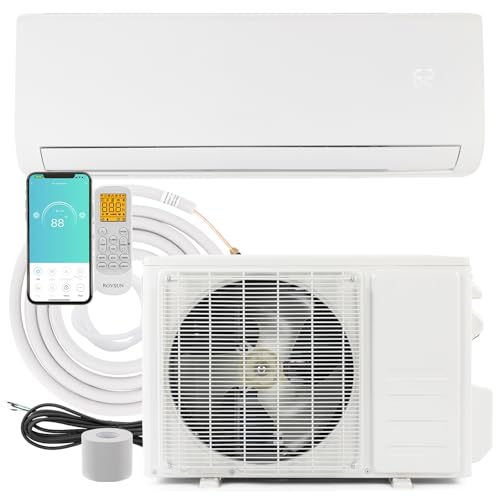 Bonnlo 18,000 BTU Ductless Mini Split AC/Heating System, 230 V / 20 SEER Split-System Wall Air Conditioner Pre-Charged Inverter Heat Pump with 16ft Installation Kit