How to Balance Heating Vents for Even Warmth
Start by opening all supply vents, then adjust only the one or two rooms with the greatest excess airflow. Never close enough vents to cut total supply by more than about 20%. Bad vent balancing can raise static pressure, strain the blower, and leave cold rooms untouched. This guide explains which vents to change, which to leave open, and when uneven heating points to duct or return-air problems.
What balancing vents can and cannot fix?

- User selectable Fahrenheit and Celsius measurements
- Wide measurement range of -40 to 482°F
- Backlit display for low-light environments
Vent balancing can improve comfort when the problem is uneven airflow, a blocked grille, or a room that gets more heat than it needs. It cannot fix a furnace that is failing, a thermostat in the wrong spot, or ductwork that sends too little air to part of the house. A blocked vent may not look serious, yet it can change how a heating system behaves.
Start with a room-by-room check
Warm air leaves the system, travels through ducts, and enters rooms through vents. That path should stay open. A heating system expects open pathways, so the first job is to find out whether a room is cold because airflow is blocked, because the return path is restricted, or because the duct layout is favoring other rooms.
- Pick each room and note whether it feels too warm, too cool, or about right.
- Check every supply vent for furniture, rugs, or curtains that could block discharge.
- Check every return vent for blockage by baskets, drapes, doors, or dust buildup.
- Feel the airflow at the supply grille with your hand.
- Compare room temperatures and note where the biggest differences show up.
- Make only one vent change at a time, then wait through a full heating cycle before judging the result.
Suppose a bedroom near the furnace feels too warm while a far room stays cool. If the warm room has a strong supply stream and the cool room has a weak one, that points more toward distribution imbalance than furnace failure. If both rooms feel weak, the return path or a system-wide restriction deserves attention first.
Heating vent balancing checklist
This checklist gives you a simple record before you change vent positions. Use it to sort out blocked supplies, blocked returns, duct imbalance, and thermostat-location issues.
| Room name | Supply vent position | Return vent presence | Obstruction check | Airflow feel | Temperature difference | Recommended action |
|---|---|---|---|---|---|---|
| Primary bedroom | Open / partly open / closed | Yes / no / unknown | Clear / blocked by furniture / blocked by rug or curtain | Strong / moderate / weak | Warmer than hall by 2°F | Clear obstruction first; leave vent open unless it overcools another room |
| Kitchen | Open / partly open / closed | Yes / no / unknown | Clear / blocked by furniture / blocked by rug or curtain | Strong / moderate / weak | Matches hall | No change unless airflow is obviously excessive |
| Upstairs hall | Open / partly open / closed | Yes / no / unknown | Clear / blocked by furniture / blocked by rug or curtain | Strong / moderate / weak | Colder than main floor by 4°F | Check return path and duct layout before closing supply vents |
| Basement office | Open / partly open / closed | Yes / no / unknown | Clear / blocked by furniture / blocked by rug or curtain | Strong / moderate / weak | Warmer than nearby room by 3°F | Reduce excess supply only if nearby rooms remain comfortable |
The most useful number here is the temperature difference between rooms. A difference of a few degrees can be normal in some homes, but a larger gap after all vents are open may point to a duct or return issue more than a simple vent-setting problem.
Open all supply vents first. Then adjust only the rooms with the biggest excess airflow, and keep changes small. The goal is even comfort, not simply more airflow in one room. After each change, check airflow feel, room temperature difference, and whether the system cycles differently.
Step-by-step balancing sequence
- Open every supply vent fully.
- Find the rooms that are clearly warmer than nearby rooms.
- Close those supply vents slightly, not all the way.
- Leave cold rooms open so they can keep receiving air.
- Check the return vents again to make sure none are blocked.
- Wait through a full heating cycle and compare room temperatures again.
- Stop if noise rises, pressure changes appear, or cold rooms stay cold.
For a home where the upstairs bedrooms are 3°F warmer than the main floor, a slight reduction at the warm bedrooms can help redistribute air. If the upstairs is already colder, closing vents there can make the gap worse. That is why vent balancing should start with diagnosis, not habit.
How to redirect heat from a vent
To redirect heat from a vent, reduce that vent slightly and keep the rest open. Do not seal a register shut as a default move. A small change can shift airflow to other open branches, but the result depends on duct layout and return-air balance. If a room is still cold after a small adjustment, the duct path may need attention instead.
How to move a heating vent or change a ventilation vent
Most supply vents are fixed in place, so “moving” a vent usually means changing the register setting or calling for duct work. If the grille location itself causes a cold draft or a furniture conflict, the correction is a duct or remodel issue, not a balancing tweak. Changing the vent opening is the adjustment homeowners can make safely.
How do supply and return vents differ?
Supply vents release warm air into living spaces. Return vents pull air back into the system. Supply vent settings can change how much heat a room receives, but return vents support the whole airflow path, and blocking them often hurts circulation more than blocking a supply vent.
What supply vents do
Supply vents deliver heated air to the room. Furniture, rugs, or curtains commonly block supply vents, which reduces heat delivery and can create temperature swings. Closing a supply vent may make a nearby room cooler and send more air to other open branches, but that is a targeted correction, not a universal fix.
What return vents do
Return vents help move room air back to the air handler so the system can keep circulating. Blocked return vents often lead to weak airflow throughout the home, and they can make rooms feel pressurized. That can affect comfort even when supply vents look clear.
Why return blockage can affect the whole system
Blocked vents can cause rooms overheating while others stay cool. They can also increase system cycling and create weak airflow at certain vents. When the return path is restricted, the blower works against higher resistance, which can shift pressure through the ductwork and change how the whole house feels.
Picture a two-story home with a return grille in the hallway that is partly covered by a storage cabinet. The upstairs bedrooms may feel stale and cool even though their supply vents are open. In that case, opening a supply vent more often helps less than restoring the return path.
When closing vents backfires
Closing too many vents raises resistance in the duct system. That can change room pressure, increase noise, and make the blower work harder. It may also leave cold rooms untouched, because the underlying distribution problem is still there.
Higher resistance and blower strain
Blocked vents can increase system cycling. They can also alter how air moves through the ducts, especially when several vents are closed at once. If supply is choked down too far, the blower pushes against higher resistance and the system can lose the airflow balance it needs for steady comfort.
Whistling, rush sounds, and room pressure changes
Blocked vents can create changes in room pressure. That often shows up as whistling, rushing air, or a door that suddenly feels harder to move. Those sounds are not cosmetic; they are a sign that the system is trying to force air through a tighter path than it was designed for.
When to reopen vents and stop adjusting
Reopen vents if a change creates louder airflow, new pressure changes, or weaker heat in several rooms. Stop adjusting when the house gets no closer to even comfort after one or two careful changes. If the same cold room stays cold while others change little, the issue is more likely duct layout, return placement, or thermostat location.
A common first-timer mistake is closing the vent in the warmest room all the way because the room “feels wasteful.” If that room is near the furnace and the far room is already weak, full closure can raise resistance without solving the cool-room complaint.
Why is one floor colder?
Upstairs and downstairs often heat differently because duct runs, return placement, and thermostat location affect where the air goes first. Rooms far from the furnace usually get less airflow. In two-story homes, the upper level can be colder or warmer depending on supply balance and where the return air path is strongest.
Single-story homes versus two-story homes
In a single-story home, the problem is often uneven duct distribution or a blocked return. In a two-story home, upstairs rooms may run colder because the ducts to that level are longer or because the return air path favors the main floor. Sometimes the reverse happens, especially if the thermostat sits on the upper level and shuts the system off before downstairs rooms catch up.
Rooms far from the furnace
Rooms far from the furnace often have weaker airflow at the grille. That does not automatically mean the vent should stay closed or open all the time. The better question is whether the room is starved for supply because of duct design, because a return is blocked, or because another room is taking too much of the airflow.
Thermostat location and uneven cycling
The thermostat reads temperature and controls cycles. If it sits in a naturally warm or cool spot, the system can shut off too early or run too long. That can make the whole home feel unbalanced even when most vents are open. Use the thermostat as a clue, not a reason to keep changing vents forever.
How to improve home ventilation
Good heating airflow depends on open pathways, clear return vents, and supply vents that are not blocked by furniture, rugs, or curtains. That is also how you improve ventilation in your home during heating season. More open air paths usually help circulation more than closing supply vents across the board.
What is a balanced ventilation system?
A balanced ventilation system is one where supply and return paths let air move through the home without bottlenecks. For heating, that means warm air can leave the supply grille, reach the room, and return easily. A blocked return or an overclosed supply vent breaks that balance and can leave some rooms uncomfortable.
How to improve ventilation in your home without overclosing vents
Start by clearing every supply and return grille. Keep rugs, curtains, and furniture away from vents. Then confirm that doors do not trap air in isolated rooms. If a room still stays off by several degrees after those checks, the issue is more likely duct design or thermostat placement than simple vent position.
How to cover up heat vents
Covering a heat vent is usually a bad idea if the goal is even warmth. Decorative covers, furniture, or rugs can restrict airflow and change room pressure. If you want the vent less visible, use a solution that preserves the opening rather than blocking it. Heat needs a clear path in and out of the room.
Frequently asked questions
How to balance heating system
Open all supply vents, check return vents for blockage, and then make small adjustments only in rooms that get too much heat. Watch for airflow feel, room temperature difference, and pressure changes. If the same rooms stay uncomfortable after a few careful changes, the issue is probably duct layout or thermostat location.
Why is the upstairs colder than the downstairs in winter?
Upstairs rooms are often farther from the furnace, so they may get weaker airflow. The result can also come from return placement or thermostat location, which can cut the cycle short before upper rooms warm up. Check for blocked returns and duct imbalance before closing more vents upstairs.
How to cover up heat vents: if you want a vent
If you want a vent to look less obvious, use a design that keeps the opening clear. Blocking a vent can reduce heat delivery, create weak airflow, and change room pressure. The cleaner fix is to preserve airflow and address the visible grille with a non-blocking cover or room layout change.
Sponsored / affiliate links. As an Amazon Associate I earn from qualifying purchases. I may earn additional commission from eligible campaigns.
 MEGAWISE Portable Air Conditioner and Heater, 420W 110V Compact AC Unit with Remote Control, 1400W Cooling Capacity, 800W Heating, Dehumidifier, Fan, Sleep Timer, Champagne
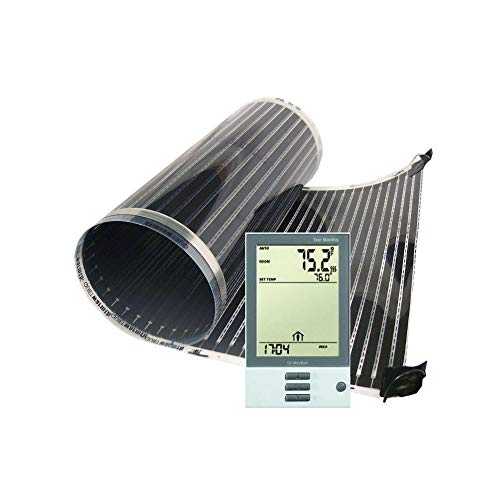 QuietWarmth Float QWARMKITFF Radiant Floor Heating Starter Kit Mat w/Programmable Thermostat for Laminate, Wood, Luxury Vinyl Floating Flooring- Cuttable Mat Size 3’x10' 120Volt (Covers 30sf)