Do Oscillating Fans Help Spread Space Heater Heat?
Yes, an oscillating fan can spread a space heater’s warmth more evenly, but it does not add heat; it only helps when uneven circulation is the problem, not when the room is losing heat faster than the heater can supply it. If you use the wrong setup, one corner stays cold while you waste energy chasing comfort. This guide explains when fan movement helps, when an oscillating heater is enough, and when insulation or a bigger heater is the better answer.
How oscillation improves heat distribution


Yes, when the room already has enough heat and the problem is distribution. Oscillation moves warmed air side to side, so a heated pocket near the appliance reaches more of the room instead of sitting in one spot. It helps most in smaller, enclosed rooms with limited air mixing.
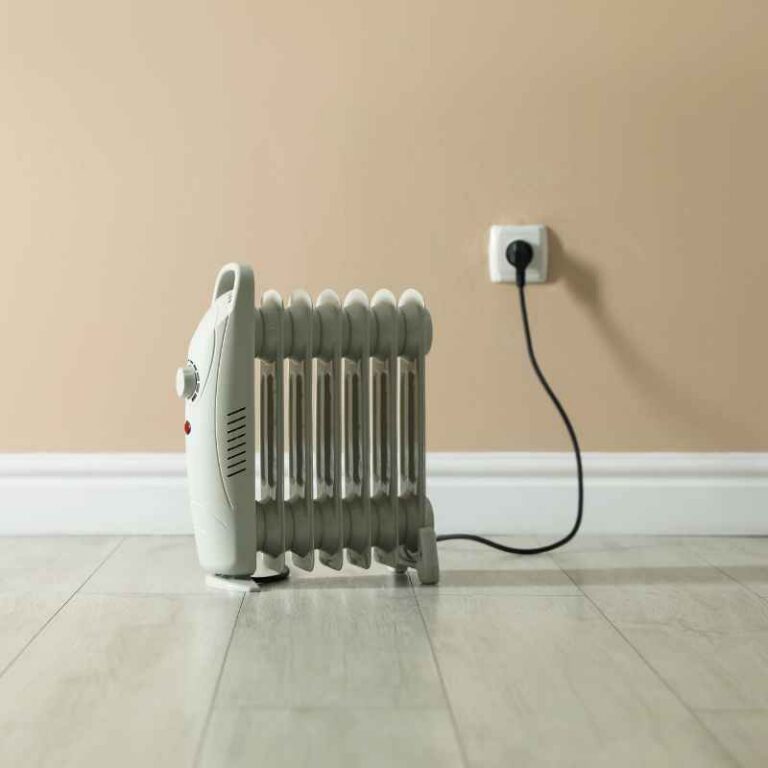
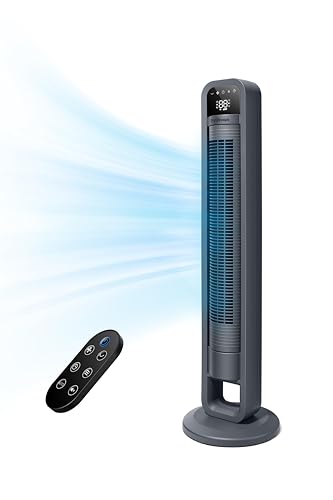
An oscillating fan heater uses a fan to move heated air, and the back-and-forth sweep can cover a wider area than a fixed outlet. That matters in a compact bedroom or office, where the near side feels fine and the far side still feels chilly. It matters less in a leaky room, because lost heat leaves faster than it can circulate.
Picture a 10-by-12 bedroom with the heater near one wall. If the door stays shut and the fan sweeps 80° or 120°, the room may feel more even within a few minutes. In an open living room, the same heater can still warm a nearby seat, but the air may drift away before it equalizes.
What oscillation actually does
Oscillation rotates the heater outlet back and forth, so warm air reaches more of the room. It does not create more thermal energy. It only changes where the already-made heat goes.
That distinction matters because a 1500W ceramic space heater is still a 1500W heater whether it oscillates or not. A ceramic element heats quickly, and the fan-assisted airflow helps spread that output. The oscillation range only changes coverage.
Why moving air can feel warmer
Air movement can reduce hot-and-cold layering. Warm air rises, cooler air settles, and a still room can develop pockets that feel uneven. A fan mixes those layers and can make the occupied area feel more stable.
That effect is about comfort, not extra output. If the room is losing heat through gaps, an oscillating fan may make the warm air feel less concentrated, but it will not fix the loss.
Does a fan make a space heater warmer?
No. A fan does not raise the heater’s heat output. It changes distribution, which can make the room feel warmer in the places you occupy, but the total heat entering the room stays the same unless the heater itself changes settings or output.
That is why a thermostat, eco mode, and multiple heat settings matter. A thermostat holds a set temperature automatically, and eco modes often cycle the heater on and off to avoid unnecessary output once the room reaches the target. Heat settings give you a lower or higher output level, while fan speed changes how fast air moves across the room.
Heat output versus heat distribution
Heat output is the amount of heat the appliance makes. Distribution is where that heat lands. If the output is too small for the space, better mixing only delays the cold spots.
A common 1500W consumer model may feel strong in a small room because the heat stays contained. In a larger or draftier area, the same heater can run longer without bringing the whole room up to the same level.
When circulation changes comfort more than temperature
Circulation helps most when your seat, desk, or bed is outside the first warm zone. A fan can move that warm pocket across the room and smooth out the difference between the heater side and the far side.
Suppose a basement office has one warm corner near the heater and cold feet at the desk. A fan aimed to move warm air across the room may improve comfort more than turning the heater higher, because the air is already warm enough but not reaching the work area.
Should you point a fan at a space heater?
Usually, you should not aim a separate fan directly into the heater intake or outlet. The better approach is to move warm air across the room, not to force strong airflow into the unit. Direct blast can disrupt the heater’s intended pattern and may interfere with safe airflow paths.
If you use a separate room fan, point it so it helps mix air, not so it blocks vents or pushes dust into the heater. A low or medium fan speed is often enough in a small room. Higher speed can help when the room is larger, but only if the airflow still leaves the heater unobstructed.
Best fan direction for circulation
Set the fan so it pushes warm air from the heater toward the cooler part of the room, or across the room rather than straight at the heater. That helps spread the heated air without creating a narrow blast that stays near the floor.
A ceiling fan can also help if it has a winter direction or a low setting that gently recirculates air. For distribution alone, a box fan may outperform a small heater fan because it can move more room air, not just the air immediately around the appliance.
When direct airflow is a bad idea
Do not aim a fan where it blocks the heater’s vents, intake, or exhaust. Do not place it so close that it crowds the appliance or pushes fabric, papers, or cords toward hot surfaces.
If the fan causes the heater to cycle strangely, blow dust around, or make the warm air feel weaker at the seating area, reposition it. The goal is even circulation, not more force at the appliance.
What affects room-wide heat spread?

Three things matter most: how far the heater can sweep, how fast the fan moves air, and how the room loses heat. An oscillating heater with about 120° coverage can spread warmth across a wider section than one with about 80° coverage, but coverage still depends on where you place it and how open the room is.
Thermostat control, heat settings, and fan speeds work together. A model with 3 heat settings and 4 fan speeds gives you more ways to match output to the room. Some tower heater combos also use 3 to 17 fan speeds, which can help fine-tune circulation when you want less blast and more mix.
Oscillation range and fan speed
Wider oscillation helps when one heater must serve more than one seating zone. A narrow sweep can leave corners untouched, while a broader sweep reaches more of the room over time.
Fan speed changes how quickly the warm air spreads. Higher speeds move more air, but they can also make the heater sound louder and may feel too direct in a small bedroom. Lower speeds often work better when the room is already close to the target temperature.
Thermostat control and heat settings
A thermostat stops the heater from running full tilt once the room reaches the set point. That can reduce overshoot and keep the room steadier. Eco modes often lean on that behavior by cycling output instead of running constantly.
Multiple heat settings let you match output to the room size. A small closed room may need a lower setting after startup, while a drafty room may need the higher setting just to hold temperature.
Room layout, drafts, and heater placement
Place the heater where it can send warm air into the open part of the room, not into a dead corner behind furniture. Keep it off carpet edges, away from curtains, and clear of beds or sofas that can block airflow.
Drafts change everything. A room with gaps at windows, doors, or basement edges may need more from insulation or weatherstripping than from better circulation. In that case, a fan only mixes the heat you are already losing.
Room heat decision table
| Room type | Heater placement | Draft level | Fan direction | Expected benefit | Recommendation |
|---|---|---|---|---|---|
| Small closed bedroom | Near an open interior wall, with 3 feet of clear space | Low | Across the room toward the bed, not into the heater | Even temperature, fewer cold pockets, faster comfort near the bed | Yes |
| Open living room | Centered on the occupied side, away from traffic paths | Medium | Across the seating area or from warm side to cool side | Some spread improvement, but heat still disperses into open areas | Maybe |
| Drafty basement office | Close to the work zone, not beside the coldest wall | High | At the desk area and away from gaps, with low to medium speed | Limited comfort gain unless drafts are reduced first | No |
How do you circulate heat better?
The best answer depends on what is limiting comfort. If the room is already warm enough and you only need better mixing, add a separate fan or change heater placement. If heat is escaping fast, fix the loss first. Circulation cannot outrun drafts.
-
Reposition the heater first. Put it where the warm air can move into the occupied part of the room, not where furniture traps it. In many small spaces, this step does more than adding another fan.
-
Use a box fan for mixing. A box fan on low or medium can move room air better than a small built-in fan when you mainly need air distribution. Aim it across the room, not directly into the heater.
-
Try a ceiling fan on low. A ceiling fan can help push warm air back down from the upper layer. Use a gentle setting so it recirculates air instead of creating a cold draft.
-
Close the heat loss paths. Shut doors, seal obvious gaps, and keep curtains from covering the heater. If the room is drafty, reducing loss matters more than faster air movement.
A common first-timer mistake is aiming every fan at the heater itself and expecting more warmth. That often produces louder airflow without a better room temperature. A better plan is to move the heated air toward the cold zone and keep the heater’s path open.
Is it safe to use a fan with a space heater?
Yes, if you keep clear spacing and do not block airflow. Safety comes from placement as much as from the appliance. A fan should never crowd the heater, cover the vents, or sit where cords, bedding, or curtains can touch hot surfaces.
Look for tip-over switch protection, overheat protection, cool-touch housing, and automatic shutoff. Those features do not make careless placement safe, but they add backup protection if the heater tips or overheats.
Spacing and blocked-airflow risks
Leave enough room around the heater for intake and exhaust air. A practical rule is to keep the front, sides, and rear clear of fabric, paper, and furniture. If the heater manual gives a larger clearance, follow that instead.
Do not place the fan where it can tip into the heater or blow loose items toward it. Keep both units on a stable, level surface. Avoid running cords under rugs or across walkways where they can be pinched or pulled.
Safety shutoff features to look
Tip-over switches shut the heater down if it falls. Overheat protection stops it if internal temperature gets too high. Automatic shutoff can turn the unit off after a set period or when a fault occurs.
Cool-touch housing helps reduce burn risk when the outside casing is touched accidentally. These features are useful in bedrooms, offices, and living rooms where the heater may run near foot traffic or furniture.
What to avoid near curtains, bedding, and cords
Keep the heater away from curtains, blankets, pillows, and upholstered arms. Do not drape anything over either the heater or the fan. Do not run the setup beside a bed where bedding can slide into the airflow path.
If the room has limited floor space, a slim tower heater may fit better than a wider body. Many tower heater combos use a vertical design with a footprint around 13″ x 13″ and a height of 42 inches, which can help in bedrooms, living rooms, and offices where floor space is tight.
Frequently asked questions
Do oscillating fans help spread space heater heat?
Yes. Oscillation spreads warmed air across a wider area, so the room feels more even. It works best in smaller, enclosed spaces where heat can stay in the room long enough to mix. It does not add heat, and it cannot fully overcome major drafts or poor insulation.
How do I circulate heat from a space heater better?
Start by placing the heater in an open spot with clear airflow. Then use a box fan or ceiling fan on a low setting to move warm air into the rest of the room. If the room is drafty, reduce heat loss first, since circulation alone cannot keep up with open gaps.
Will an oscillating space heater heat a whole room more evenly?
Usually yes, but only within limits. Oscillation helps spread heat across more of the room, and a wider sweep such as 120° can cover more area than 80°. In an open or leaky room, however, it may still leave cold spots because the heat escapes before it equalizes.
What type of fan works best with a space heater?
A separate box fan often works best for distribution alone because it can move more room air. A ceiling fan can also help if it runs gently and sends warm air back down. Small personal fans can help near a desk, but they usually move less air across the room.
Sponsored / affiliate links. As an Amazon Associate I earn from qualifying purchases. I may earn additional commission from eligible campaigns.