Remove Stains From Formica Countertops: 6 Easy Methods
ByAshraf Ahmed
Most Formica stains lift within minutes using baking soda paste, mild dish soap, or diluted rubbing alcohol, unless the stain is old rust or dried ink that has soaked into a scratch. Wait too long and a fresh spill can penetrate the laminate’s resin layer within 24 to 48 hours, turning a surface mark into a permanent one.
This guide covers the exact method for coffee, wine, rust, ink, and grease stains, plus the cleaners to avoid.
Easily remove common stains from Formica countertops using gentle household cleaners like baking soda paste or mild dish soap. Avoid harsh abrasives to protect the surface and maintain its shine. Simple, safe methods are usually most effective.
Formica is a laminate material. It’s made of several layers. These layers are fused together under high pressure.
The top layer is a decorative paper. This paper is coated with a clear resin. This resin is what protects the pattern.
It also gives the countertop its shine. However, this protective layer isn’t perfect. It can absorb liquids if left too long.
This absorption causes stains.
Different types of stains need different approaches. Some stains are from everyday foods. Think coffee, tea, or berry juice.
Others might be from harder items. These could be ink, paint, or even rust. Knowing what caused the stain helps you pick the right cleaner.
It’s like knowing the enemy before you fight them. Most Formica stains are not permanent. With the right care, you can bring back its original look.
For more surface-specific techniques, browse our full library of stain removal guides. If part of your kitchen uses stone instead of laminate, the method changes too, so see our guide on removing stains from granite countertops for that surface.
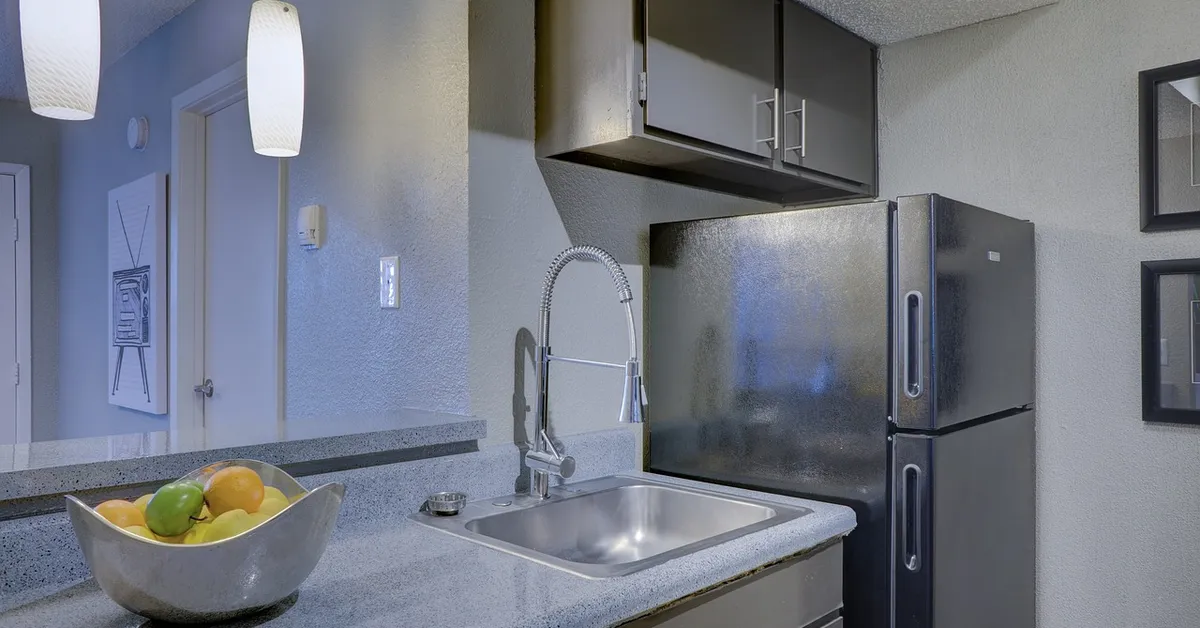
A kitchen countertop surface up close – porous laminate absorbs spills fastest in the first few minutes after they happen
My First Formica Stain Panic
I remember one evening, I was making a big batch of pasta sauce. It was a Saturday night, and I was feeling ambitious. I had fresh tomatoes, garlic, and a secret blend of herbs.
As I stirred, a dollop of bright red sauce flew off the spoon. It hit the counter with a splat. My heart sank.
It was late. The light in the kitchen wasn’t great. I wiped it up quickly with a damp cloth.
But a faint pinkish-orange mark remained. It looked like a ghost of the sauce. I tried a bit more rubbing.
That only made me worry about scratching the Formica. A wave of mild panic washed over me. I imagined that stain being there forever.
My beautiful countertop would be ruined. It felt like a small disaster.
Common Stain Culprits
Food & Drinks: Coffee, tea, wine, fruit juices, tomato sauce, curry.
Household Items: Ink pens, markers, nail polish, hair dye.
Metals: Rust from cans or utensils, dark marks from aluminum foil.
Oils & Grease: Cooking oil splatters, butter residues.
The key thing to remember about Formica is its porous nature. Even though it’s sealed, over time and with tiny scratches, the surface can become more open. This makes it easier for liquids to seep in.
That’s why prompt cleanup is so vital. The longer a spill sits, the deeper it can penetrate. This makes it much harder to remove later on.
Don’t get discouraged though. Most of the time, a gentle but persistent approach works wonders.
I ended up leaving it overnight. The next morning, the stain looked a little less noticeable in the bright daylight. But it was still there.
This taught me a valuable lesson. Don’t put off cleaning spills. Even if you’re tired, a quick wipe down is better than nothing.
For that particular stain, I later found out that a paste of baking soda and water worked like magic. It didn’t scratch and lifted the color right out. It was a relief.
My countertop was saved.
How to Safely Clean Formica Stains
Cleaning Formica stains is all about being gentle. Harsh chemicals and abrasive scrubbers can damage the laminate. This damage can make the countertop look dull or even create new spots where stains can easily form.
We want to avoid that at all costs. The goal is to lift the stain without harming the protective layer.
Start with the simplest methods first. Often, what you need is already in your kitchen. These common household items are less likely to cause damage.
They are also much cheaper than specialized cleaners. Think of them as your first line of defense. If those don’t work, you can move on to slightly stronger options.
But always test any new cleaner in an inconspicuous spot first. This is a good rule of thumb for any cleaning task.
Best Formica Stain Eraser Pick
Mr. Clean Magic Eraser Sponge 12-pack
Mr. Clean Magic Eraser Sponge (12-Pack) – $13.58
This guide notes a Magic Eraser can lift scuffs and set-in marks on Formica, but only with extreme caution and very gentle pressure – this melamine sponge is the mild-abrasive option to test in an inconspicuous spot first, exactly as recommended above.
Best for: Dark scuff marks and stubborn set-in stains that baking soda paste didn’t fully lift
Why we picked it: Pre-cut sponges make it easy to control pressure and avoid over-scrubbing one spot
Main drawback: Overuse dulls the laminate’s shine, so it’s a last resort, not a daily cleaner
As an Amazon Associate we earn from qualifying purchases.
Gentle Cleaning Solutions
For many common stains, a simple mix of mild dish soap and warm water is enough. Apply this to a soft cloth. Gently wipe the stained area.
Rinse with a clean, damp cloth. Then, dry the area with a soft towel. This prevents water spots.
Baking soda is another fantastic option. It’s a mild abrasive. It can lift many stains without scratching.
Make a paste by mixing baking soda with a little water. Apply this paste to the stain. Let it sit for a few minutes.
Then, gently rub the area with a soft cloth or sponge. Rinse thoroughly with water and dry. This paste is great for coffee, tea, or food colorings.
Quick Stain Removal Steps
Act Fast: Wipe up spills immediately.
Gentle Start: Use mild dish soap and water.
Baking Soda Paste: For tougher spots, try a baking soda and water paste.
Soft Cloths: Always use soft cloths or sponges.
Rinse Well: Remove all cleaning residue.
Dry Thoroughly: Prevent water spots and streaks.
For sticky residues or grease, rubbing alcohol can be helpful. Dampen a soft cloth with rubbing alcohol. Gently rub the stained area.
Alcohol evaporates quickly. It doesn’t leave a residue. Just make sure to ventilate the area well when using it.
What about tougher stains like ink or paint? Sometimes, a bit of mineral oil or even WD-40 can help. Apply a small amount to a cloth.
Gently work on the stain. These products can break down oil-based marks. Always rinse the area well with soap and water afterward.
This removes any oily residue.
Dealing with Specific Stain Types
Every stain is a little different. So, some stains might need a bit more specific attention. Let’s look at a few common culprits and how to tackle them effectively.
Remember, patience is key. Don’t scrub too hard. That can cause more problems than the stain itself.
Coffee and Tea Stains
These are very common. They often leave brown rings or spots. The best method here is often the baking soda paste.
Mix about 3 parts baking soda to 1 part water. Apply it to the stain. Let it sit for 5-10 minutes.
Gently rub in a circular motion with a soft cloth. Rinse and dry. For very stubborn rings, you might need to repeat this a couple of times.
Fruit Juice and Wine Stains
Berries, red wine, and even some fruit juices can be tricky. They have strong pigments. Again, baking soda paste is a good first step.
If that doesn’t lift it completely, try a very mild all-purpose cleaner. Spray it onto a cloth, not directly onto the Formica. Wipe the stain.
Rinse well. Sometimes, a diluted solution of white vinegar and water can also help. Use about 1 part vinegar to 2 parts water.
Apply with a cloth, then rinse.
Myth vs. Reality: Formica Cleaning
Myth: Bleach is the best cleaner for tough stains.
Reality: While bleach can sometimes remove stains, it can also dull or damage the laminate’s finish over time. It’s best avoided unless absolutely necessary and heavily diluted, and always test first.
Myth: Scrubbing hard will remove any stain.
Reality: Aggressive scrubbing with abrasive pads or cleaners can create micro-scratches. These make the Formica more prone to future staining and reduce its shine.
Myth: Once a stain sets, it’s permanent.
Reality: Most Formica stains can be removed with the right gentle methods, even if they’ve been there a while. Persistence and the correct approach are key.
Ink stains, especially from pens or markers, can be a challenge. Rubbing alcohol is often the most effective solution. Put some alcohol on a cotton ball or soft cloth.
Dab the ink stain. Work from the outside of the stain inward. This prevents spreading.
Keep dabbing with a clean part of the cloth. Once the ink is gone, wipe the area with a damp cloth and dry it. For permanent markers, you might need a stronger cleaner.
Test a small spot first. Some specialized laminate cleaners might work. Always follow product instructions.
Rust stains can appear if metal cans or utensils are left on the surface. A paste of lemon juice and salt can sometimes work on these. The acidity of the lemon helps break down the rust.
Let the paste sit for about 10-15 minutes. Then, gently rub and rinse. Another option is a commercial rust remover, but use it very carefully and test it first.
Grease and oil stains are usually dealt with using a degreaser. Mild dish soap often works well because it’s designed to cut grease. For tougher grease, a bit of diluted ammonia can be used.
Mix 1 tablespoon of ammonia with 1 cup of water. Apply with a cloth, rinse well, and dry. Be sure to ventilate the room well when using ammonia.
It’s always good practice to have a go-to cleaning kit for your countertops. This kit could include a soft sponge, microfiber cloths, a spray bottle with mild dish soap and water, baking soda, and rubbing alcohol. Having these items handy means you can deal with spills as soon as they happen.
This proactive approach is the best defense against stubborn stains. A product like Bar Keeper’s Friend is also worth keeping nearby if hard water spots build up around your sink, and the same soft-cloth approach works well when you clean a granite composite sink next to a Formica counter.
What If the Stain Won’t Budge?
Sometimes, despite your best efforts, a stain might seem stubborn. Before you give up, there are a couple more things you can try. It’s important to be careful at this stage.
You don’t want to cause more harm than good. Think of these as more advanced techniques.
One option is to use a cleaner specifically designed for laminate surfaces. There are many good brands available. Read the labels carefully.
Make sure the cleaner is safe for kitchen countertops. Apply the cleaner to a cloth first, then to the stain. Follow the product’s instructions precisely.
Some might require a waiting period. Others might need a specific rinsing process.
Safe Cleaning Tools for Formica
Microfiber Cloths: Excellent for wiping, drying, and buffing. They are soft and non-abrasive.
Soft Sponges: Use the soft side only. Avoid the green scrubby side.
Cotton Balls: Great for dabbing small stains, especially ink.
Soft Bristle Brush: Can be used gently for textured surfaces.
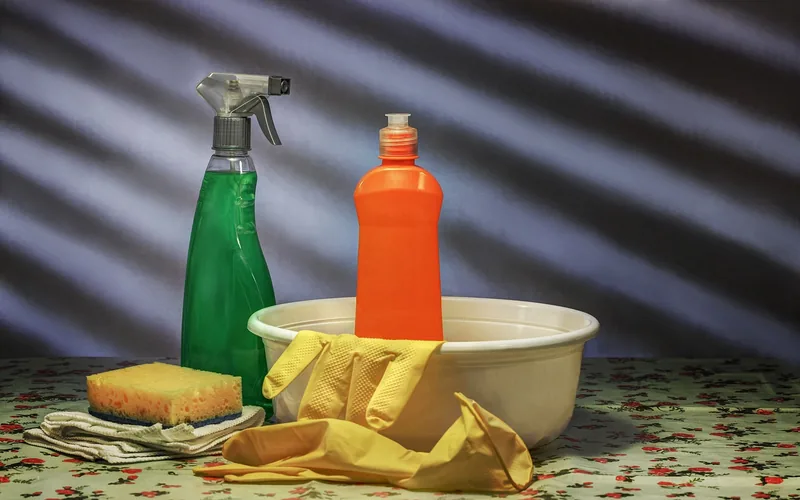
Mild dish soap and a soft sponge lift most everyday stains without scratching the laminate surface
Another method, for very deep or old stains, might involve a bit more time. You can create a damp compress. This involves soaking a cloth or paper towels in a mild cleaning solution (like diluted dish soap or a diluted all-purpose cleaner).
Wring out the cloth so it’s damp, not dripping. Place the damp cloth directly over the stain. Cover it with plastic wrap to keep it moist.
Let this sit for several hours, or even overnight. The moisture and cleaning solution can help break down the stain. After the time is up, remove the compress.
Gently wipe the area and rinse. This method can be very effective for stains that have deeply penetrated the laminate.
If you are using a stronger cleaner, always test it in a hidden area first. This could be under the lip of the counter or in a corner where it’s not visible. This is a critical step.
You need to make sure the cleaner doesn’t discolor or damage the Formica. Wait a few hours after testing. Then check the area for any adverse effects before applying it to the main stain.
It’s also worth considering the age of your Formica. Older countertops might have a finish that is more susceptible to damage. They might have microscopic cracks that have formed over the years.
For these surfaces, extra gentle care is always best. For truly impossible stains that resist all gentle methods, there might be professional resurfacing options, but this is rare.
Preventing Future Formica Stains
The best way to deal with Formica stains is to prevent them from happening in the first place. A little bit of care can go a long way in keeping your countertops looking pristine. Prevention is always easier than cure, right?
Clean Up Spills Immediately: This is the golden rule. As soon as something spills, grab a cloth and wipe it up. Even a quick wipe down can stop a stain from setting.
Don’t let spills sit, especially colored liquids like coffee, wine, or juice.
Use Trivets and Hot Pads: While Formica is heat resistant to a degree, very hot pots and pans can damage the surface. They can cause discoloration or even warping. Always use trivets or hot pads under hot items.
Use Cutting Boards: Never cut directly on your Formica countertops. Knives will scratch the surface. These scratches can then trap dirt and become prone to staining.
Always use a cutting board for chopping or slicing.
Formica Care Cheat Sheet
Daily Wipe: Soft cloth with mild soap and water.
Spills: Clean immediately.
Heat: Use trivets and hot pads.
Cutting: Always use a cutting board.
Abrasives: Avoid steel wool, abrasive pads, and harsh cleaners.
Chemicals: Limit exposure to strong chemicals like oven cleaner or drain cleaner.
Be Mindful of Certain Chemicals: Some common household cleaners can harm Formica. Avoid oven cleaners, drain cleaners, and strong solvents. If you’re unsure about a cleaner, test it first in a hidden spot.
Also, be careful with nail polish remover. While it can remove some stains, it can also dull the finish if used too often or without rinsing.
Regular Cleaning Routine: Establish a regular cleaning routine for your countertops. A daily wipe-down with a soft cloth and a mild detergent is usually sufficient. This prevents a buildup of grease and grime that can lead to dullness and make stains more visible.
Protect from Scratches: Be careful when moving appliances or heavy items across the countertop. Try to lift them rather than drag them. This helps prevent scratches that can compromise the surface’s integrity.
I learned this from experience. I used to think Formica was indestructible. I’d put hot mugs down without a coaster.
I’d even chop herbs directly on the counter sometimes. I thought a quick wipe would fix it. But over time, I started noticing faint rings and small nicks.
It wasn’t until I had a particularly stubborn stain that I really researched how to care for it properly. Now, I’m much more careful. I use trivets religiously.
I always use a cutting board. And I clean up spills right away. It makes a huge difference.
When to Call a Professional
For the vast majority of stains on Formica countertops, the methods described above will be sufficient. They are designed to be safe, effective, and easy for anyone to use. However, in some rare cases, you might encounter a situation that requires professional help.
If you have a stain that is extremely deep or has been there for a very long time, it might have permanently altered the laminate’s surface. This can happen with strong chemicals or prolonged exposure to harsh elements. In such cases, even the most careful DIY attempts might not fully remove the stain without damaging the countertop.
Another scenario is if you have accidentally caused significant damage to the countertop. This could include deep scratches, chips, or burns. These types of damage might require professional repair or even replacement of the laminate section.
Trying to fix deep damage yourself can sometimes make the problem worse or more visible.
Spot-Checking New Cleaners
1. Choose a Hidden Area: Find a small, inconspicuous spot on your Formica countertop. This could be under the edge or in a corner.
2. Apply the Cleaner: Put a small amount of the cleaner on a soft cloth. Gently rub it onto the chosen spot.
3. Wait: Let the cleaner sit for the time recommended by the product manufacturer, or at least 15-20 minutes.
4. Rinse and Dry: Wipe the area with a damp cloth to remove any cleaner residue. Dry it with a soft towel.
5. Inspect: Check the spot for any discoloration, dulling, or damage to the finish.
6. Proceed with Caution: If there are no negative effects, you can proceed to use the cleaner on the stain, but still start gently.
Generally, for most everyday stains, you won’t need to worry about professionals. The beauty of Formica is its relatively low maintenance. The key is consistent, gentle care.
If you’re ever unsure about a cleaner or a stain removal method, it’s always better to err on the side of caution. A quick search online for advice or consulting a cleaning professional can save you from making a costly mistake.
Frequently Asked Questions About Formica Stains
Common Stains and Solutions
Stain Type: Coffee/Tea Rings
Solution: Baking soda paste, mild soap and water.
Stain Type: Fruit Juice/Wine
Solution: Baking soda paste, diluted vinegar solution, mild all-purpose cleaner.
Stain Type: Ink/Marker
Solution: Rubbing alcohol, specialized laminate cleaner (test first).
Stain Type: Grease/Oil
Solution: Mild dish soap, diluted ammonia (rinse well).
Stain Type: Rust
Solution: Lemon juice and salt paste, commercial rust remover (test first).
Can I use a Magic Eraser on Formica?Magic Erasers can be effective for some stains, but they are a mild abrasive. Use them with extreme caution and very gentle pressure. Always test in an inconspicuous area first.
Overuse or aggressive scrubbing can dull the finish of your Formica countertop.
Is it okay to use diluted bleach on Formica?Diluted bleach can be used in a pinch, but it’s not recommended for regular cleaning. Strong or prolonged exposure to bleach can damage the laminate’s finish and cause discoloration. If you must use it, dilute it heavily (e.g., 1 part bleach to 10 parts water) and rinse the area thoroughly afterward.
Test in a hidden spot first.
What is the best way to clean Formica after cooking?After cooking, wipe down your Formica countertops with a soft cloth dampened with warm, soapy water. This will remove grease splatters and food residues. Rinse with a clean, damp cloth and dry with a soft towel to prevent water spots.
Can I use vinegar on my Formica countertops?Yes, a diluted white vinegar solution (about 1 part vinegar to 2 parts water) can be used to clean Formica. It’s good for general cleaning and can help cut through light grease. Always rinse the area with plain water afterward to remove any vinegar scent and residue, and then dry.
How do I get rid of a dark scuff mark on Formica?Dark scuff marks are often from rubber or plastic. Try gently rubbing the mark with a pencil eraser. If that doesn’t work, a soft cloth dampened with rubbing alcohol can also help lift these marks.
For tougher scuffs, a paste of baking soda and water might be effective with gentle rubbing.
My Formica has lost its shine. How can I restore it?To restore shine, ensure the surface is thoroughly clean. Then, use a clean, dry microfiber cloth to buff the countertop. For a bit more shine, you can use a very small amount of furniture polish (designed for laminates or non-wood surfaces) on a cloth and buff it in.
Avoid silicone-based polishes, which can build up.
Conclusion: Keeping Your Formica Looking Great
Formica countertops are a durable and attractive choice for any kitchen. While they can certainly pick up stains, most of them are manageable. By acting fast, using gentle cleaning methods, and understanding what works best for different types of marks, you can keep your Formica looking its best for years to come.
Remember, a little care goes a long way.
Embrace the simple solutions and enjoy a clean, beautiful kitchen. With the right approach, those annoying stains won’t stand a chance.
Products related to this article
Sponsored / affiliate links. As an Amazon Associate I earn from qualifying purchases. I may earn additional commission from eligible campaigns.
This is Ashraf. I’m the publisher of this blog. Home Improvement Way is a blog where I share Home Improvement tips and tricks, reviews, and guides. Stay tuned to get more helpful articles!