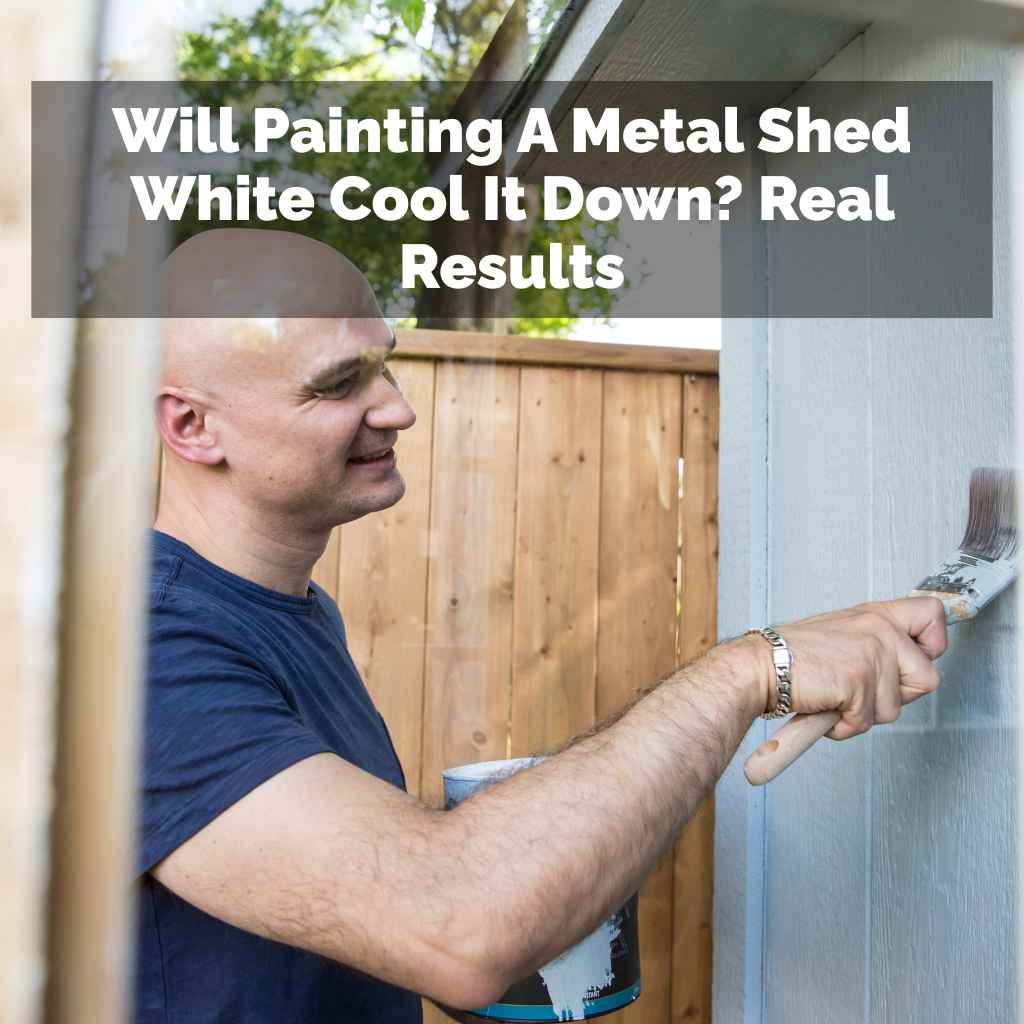
Will Painting A Metal Shed White Cool It Down? Real Results
Many folks hope a white coat will work like magic. They picture cool interiors while the sun beats down. But does it really make that big of a difference?
We’re going to dive deep into this. We’ll look at the science behind it. We’ll also talk about what makes sheds hot in the first place.
You’ll learn what truly helps cool them down.
Painting a metal shed white can help reflect some sunlight, making it slightly cooler than a darker color. However, it’s not a magic bullet for extreme heat. Other factors like insulation, ventilation, and direct sun exposure play a much bigger role in the overall temperature of the shed.
Understanding Shed Heat: It’s More Than Just Color
Metal sheds are fantastic for storage. They are strong and often last a long time. But metal has a property that makes it get hot fast.
It absorbs heat. When the sun shines on your shed, the metal gets warm. Then, it starts to radiate that heat inside.
Think about a black car on a sunny day versus a white one. The black car feels much hotter. This is because dark colors absorb more light.
Light is energy. When that energy is absorbed, it turns into heat. White, on the other hand, reflects a lot of that light energy away.
So, less energy is absorbed.
This is the basic idea behind painting a metal shed white. You want to reflect as much sunlight as possible. This stops the metal from getting as hot.
If the metal isn’t as hot, it won’t transfer as much heat to the inside air. This seems simple enough, right? But there’s more to it.
What makes a shed feel like an oven? It’s a mix of things. The material of the shed is key.
Metal is a good conductor of heat. This means it moves heat easily. Wood or plastic sheds might behave a bit differently.
But metal is very common for sheds.
The color is one part of the puzzle. But how much difference does color really make? For many people, the color is the only thing they think about.
They might not consider other, more impactful, ways to keep things cool. We need to look at the whole picture.
My Own Shed Battle: The Summer of Sweat
I remember my first summer with a metal shed. I’d bought it to store garden tools and outdoor furniture. It was a nice, sturdy shed.
It was painted a fairly dark green. I thought it looked good. Then came July.
Oh, July. I opened the door one afternoon to grab a trowel.
The heat that rushed out was unbelievable. It hit me like a wall. The air inside was thick and stifling.
It smelled like hot metal and dried paint. My tools were almost too hot to touch. I thought, “There must be a better way.” I started researching.
My first thought was exactly what we’re discussing: paint. Could I just paint it white? I pictured a cooler shed.
I imagined being able to work in there without feeling like I was in a sauna. I even bought a can of white paint. But then I started reading more.
Some articles said yes, white paint is great. Others were more cautious. They talked about ventilation.
They mentioned insulation. It felt confusing. I ended up not painting it white that year.
Instead, I focused on opening the doors and windows more. It helped a little. But not enough.
That experience taught me that color is just one piece. It’s important, but not the whole story. The shed got so hot because the sun baked the metal all day.
Then, the trapped heat had nowhere to go. It was like a greenhouse. But with metal walls.
I learned that summer that you can’t just paint your way out of a heat problem. You need to understand why it’s getting hot. Then you can tackle the real issues.
My green shed was absorbing heat. But the real problem was the heat staying inside.
The Science of Color and Heat
Absorption vs. Reflection: Darker colors absorb more light wavelengths. This absorbed light energy converts to heat.
Lighter colors, like white, reflect more light wavelengths. This means less energy turns into heat.
Solar Reflectance Index (SRI): This is a measure of how well a surface reflects solar heat. A higher SRI means a surface stays cooler. White paint typically has a high SRI.
Dark paint has a low SRI.
Albedo: This is another term for reflectivity. White surfaces have high albedo. They bounce back more sunlight.
The Physics of Heat Transfer in Sheds
To truly understand if white paint helps, we need to look at how heat moves. There are three main ways heat travels. These are conduction, convection, and radiation.
Your shed experiences all three.
Conduction: This is when heat moves through solid materials. The sun heats the metal panels of your shed. This heat then travels through the metal.
It reaches the inside surface. Then, it moves into the air inside. Metal is a good conductor.
So, this happens quickly.
Radiation: The sun’s rays are radiant energy. They hit the shed. The metal absorbs some of this energy.
It also radiates heat back outwards. But importantly, it also radiates heat inward towards the shed’s contents. Dark colors radiate more absorbed heat inwards.
Convection: This is heat transfer through the movement of air or liquids. Hot air inside the shed rises. Cooler air might sink.
If there’s no airflow, this hot air just stays trapped. It keeps heating up the space. Good ventilation helps move this hot air out.
When you paint a shed white, you’re primarily affecting the radiation part. You’re reducing the amount of solar energy the metal absorbs in the first place. This means less heat is conducted through the metal.
Less heat is radiated inwards. This is the benefit.
However, if the shed has poor ventilation, that hot air will still build up. Think of a car with all windows closed. Even if it’s painted white, the heat inside can become extreme from other sources like the engine and the sun through the windows.
A shed is similar.
The metal panels themselves can get very hot. Even if they are white, they might still reach temperatures much higher than the outside air. Imagine standing barefoot on a white sidewalk on a very hot day.
It’s still pretty warm. The paint helps, but it doesn’t make the surface cold.
So, while white paint is a step in the right direction, it’s not the whole solution. We need to consider how heat gets in and how it gets out. That’s where ventilation and insulation become super important.
They work hand-in-hand with the paint color.
Contrast Matrix: Color Impact
Myth: Any dark color will make a shed unbearable.
Reality: Dark colors absorb more heat than light colors. But the amount of difference depends on the specific shade and the material. A medium brown might not be as bad as a deep black.
Still, white is generally best for reflection.
Myth: White paint alone will make a shed cool enough to live in.
Reality: White paint helps reduce heat absorption. But it doesn’t block heat transfer from other sources. Without ventilation or insulation, a white metal shed can still get very hot.
The Role of Ventilation: Letting Hot Air Escape
Ventilation is probably the most critical factor after the material and color of a shed. It’s about airflow. Imagine your shed as a lung.
It needs to breathe. When the sun heats the air inside, that hot air needs a way to get out. And cooler air needs a way to get in.
Many sheds come with basic vents. These might be small gaps under the eaves or simple vents near the top. But often, these aren’t enough.
Especially in a hot climate or on a very sunny day. Hot air rises. So, you want vents high up to let that hot air escape.
Cross-ventilation is also key. This means having vents on opposite sides of the shed. This allows air to flow through the space.
It pushes out the hot air and brings in cooler air. This constant exchange of air can make a huge difference.
I’ve seen sheds with no vents at all. They are like ovens. Opening the door for a few minutes does almost nothing.
The heat is trapped inside. Adding even a couple of simple vents can make the space much more usable. I added some to my own shed a few years back.
First, I put in some basic soffit vents under the roof overhang. Then, I added a couple of small wall vents near the top, on opposite walls. The difference was noticeable.
It wasn’t an instant chill, but the air felt less stagnant. It didn’t build up the same intense heat.
What kind of vents are best? Gable vents, ridge vents, soffit vents, and wall vents are all good options. Some people even install small electric fans.
These fans can help push air out or pull cooler air in. This is more advanced, but it shows how important airflow is.
When you’re thinking about painting your shed white, always ask yourself: how well does it ventilate? If the answer is “not very well,” then even white paint might leave you disappointed. You need both.
The paint reduces the heat load. The vents remove the heat that still gets in.
Consider your location too. If you live in a place with very still, hot air, you might need more ventilation than someone in a breezy area. This is something to keep in mind.
It’s all about getting that heat to move out and be
Quick-Scan Table: Ventilation Types
| Vent Type | Where It Goes | What It Does |
| Soffit Vents | Under roof overhangs | Lets cooler air in |
| Gable Vents | At the peak of the gable end | Lets hot air out |
| Ridge Vents | Along the roof peak | Lets hot air out |
| Wall Vents | On the side walls | Helps with cross-ventilation |
Insulation: The Unsung Hero of Shed Temperature Control
If ventilation is about letting heat out, insulation is about keeping heat out in the first place. It acts like a barrier. It slows down the transfer of heat from the outside to the inside.
Metal sheds are notorious for lacking insulation.
Most standard metal sheds are just that: metal. There’s nothing between the outside and the inside except the thin metal sheet. This is why they heat up so quickly.
Adding insulation can make a massive difference. It’s often more effective than just painting.
What kind of insulation can you use? Fiberglass batts are common. You can also use rigid foam boards.
Some people even use spray foam insulation. The goal is to fill the empty space within the shed walls and roof.
This can be a bit of a DIY project. You might need to frame out the walls to create cavities for the insulation. Or you can attach rigid boards directly to the metal.
It requires some effort, but the payoff is significant. I’ve helped friends insulate their sheds, and the temperature drop is dramatic.
A properly insulated shed will stay cooler in the summer. It will also stay warmer in the winter. This makes it a much more stable environment for whatever you store inside.
Think about things like paint, gardening chemicals, or even your car in a shed. Stable temperatures are good for them.
When considering insulation, remember that a vapor barrier is often needed. This prevents moisture from getting into the insulation. Moisture can reduce its effectiveness and lead to mold.
It’s a good idea to research this aspect before you start.
Painting the shed white and insulating it is a powerful combination. The white paint reduces the initial heat absorbed by the metal. The insulation then acts as a secondary barrier, slowing down any heat that still manages to get through the metal.
This dual approach is where you see the biggest gains.
Don’t underestimate the impact of insulation. For many people, it’s the missing piece in keeping their shed cool. It’s an investment, but one that pays off in comfort and protecting your stored items.
It addresses the conductive heat transfer directly.
Stacked Micro-Sections: Insulation Benefits
Summer Cooling: Slows heat transfer from hot exterior walls to the interior air.
Winter Warming: Slows heat transfer from the warmer interior to the colder exterior.
Moisture Control: Can help reduce condensation if installed with a vapor barrier.
Energy Savings: While sheds aren’t usually heated or cooled by HVAC, stable temps mean less strain on stored items.
Noise Reduction: Adds a slight dampening effect to outside noises.
Real-World Scenarios: What Affects Shed Temperature Most?
Let’s talk about what you actually experience in your backyard. Several things combine to make your shed hot or less hot. It’s rarely just one factor.
Sun Exposure
Where is your shed located? Does it sit in direct sunlight all day? Or is it shaded by trees for part of the day?
A shed that gets direct sun for 8 hours will be much hotter than one shaded for half that time. Even white paint struggles against intense, constant sun.
I’ve seen people put up shade cloths or plant fast-growing trees to shade their sheds. This is a very effective strategy. It reduces the amount of direct solar radiation hitting the shed’s surface.
This is a form of passive cooling that works wonders.
Roof Type and Color
The roof often takes the brunt of the sun’s rays. If your shed has a dark metal roof, that’s a major heat trap. Painting the roof white is even more impactful than painting the walls white.
Some sheds have lighter-colored composite roofs, which are better.
Consider the material and color of your shed’s roof. If it’s a dark, absorbent material, it’s contributing significantly to the heat load. Sometimes, focusing on the roof first makes more sense than just the walls.
Shed Size and Design
A larger shed might hold more heat, but it also has more air volume. The shape matters too. A tall shed might allow hot air to rise and escape more easily if there are vents.
A squat, wide shed might trap heat more effectively if it lacks airflow.
The design of the vents, if any, is also crucial. Small, poorly placed vents won’t do much. Well-designed vents that create airflow are much more effective.
Some sheds have built-in vents that are better than others.
Contents of the Shed
What you store inside can also affect the temperature. For example, if you have items that generate heat (like a freezer, though that’s rare in a shed) or materials that absorb a lot of heat, it can raise the internal temperature.
This is less common for typical shed contents. Most items stored in a shed don’t generate heat. But it’s something to be aware of.
The primary heat source is almost always the sun hitting the shed’s exterior.
Observational Flow: Why Your Shed Is Hot
Step 1: Sun Hits Shed
Direct sunlight (radiation) beams onto the shed’s surfaces.
Step 2: Metal Absorbs Heat
Darker colors absorb more light energy. This energy turns into heat in the metal panels.
Step 3: Heat Conducts Inward
Heat travels through the metal panels (conduction) to the interior surface.
Step 4: Air Inside Heats Up
The hot interior surfaces heat the air inside the shed (convection).
Step 5: Hot Air Gets Trapped
If there’s no ventilation, hot air rises and stays inside, making the shed hotter and hotter.
Does White Paint Help? The Verdict on Reflection
Yes, painting a metal shed white absolutely helps. It’s not a myth. The science is clear: white surfaces reflect more solar radiation than dark surfaces.
This means the metal itself will absorb less heat from the sun.
When the metal absorbs less heat, it gets cooler. If the metal is cooler, it transfers less heat to the air inside the shed. This will lead to a lower indoor temperature compared to a shed painted a dark color.
This effect is measurable.
For instance, studies show that a white roof can be significantly cooler than a black roof under the same sunlight. This principle extends to shed walls. The difference might not be the 20-30 degrees some people imagine, but it can be several degrees cooler, perhaps 5-10 degrees Fahrenheit on a very hot day.
However, and this is a big “however,” the benefit of white paint is most noticeable when other heat-trapping factors are minimized. If your shed has poor ventilation and no insulation, painting it white might offer a small comfort, but it won’t transform it into a cool oasis.
Think of it this way: you’re reducing the amount of heat that enters the shed. But you still need a way to manage the heat that does get in. That’s where ventilation and insulation come in.
They are the heavy hitters.
So, will painting your metal shed white cool it down? Yes, it will. Will it be the only thing you need to do?
Likely not, if you’re aiming for significant temperature reduction. It’s a great first step, and it’s relatively easy and affordable. But it’s best used as part of a larger strategy.
I did end up painting my shed white a few years ago. I also improved the ventilation. The difference was night and day.
It was no longer unbearably hot. I could actually go in there during the day and work. It felt like a significant win.
The key is managing expectations. White paint provides a modest but real improvement. It’s a good example of passive cooling.
It works by simply reflecting the sun’s energy. But for maximum effect, combine it with other methods. This is where you truly solve the heat problem.
Split Insight Panel: White Paint Effect
Benefit: Reduces solar heat absorption.
How: Reflects more sunlight away from the metal surface.
Result: The metal stays cooler, transferring less heat inside.
Limitation: Doesn’t stop heat transfer from other sources (conduction, trapped air).
Best Used: As part of a comprehensive cooling strategy (ventilation, insulation).
What This Means for Your Shed: Practical Takeaways
So, what’s the bottom line? If you have a metal shed that gets too hot, painting it white is a good idea. It’s a practical step that uses the principles of light reflection to your advantage.
It will make a difference.
When Painting White Is Enough (Mostly)
If your shed is only slightly warm, or you use it for items that aren’t sensitive to heat, white paint might be enough. If you live in a milder climate or your shed is mostly shaded, the impact of color will be even more pronounced.
If you have good ventilation already built into your shed, the white paint will further enhance that. It will work with the airflow to keep things cooler. You might find that this combination is perfect for your needs.
It’s about assessing your specific situation.
When to Consider More: Beyond Just Paint
If your shed gets extremely hot, to the point where it’s unusable or potentially damaging to stored items, you’ll need more than just white paint. This is especially true if you have a dark-colored shed in a sunny location with little to no ventilation.
In these cases, focus on these three areas:
- Ventilation: Add more vents, especially near the roof peak, to let hot air escape. Ensure good cross-ventilation.
- Insulation: This is a game-changer for metal sheds. It creates a barrier against heat transfer.
- Shading: Plant trees, use shade sails, or build a lean-to structure to block direct sun.
A combination of white paint, good ventilation, and insulation will provide the best results. This is the most effective way to keep your metal shed cool and comfortable.
Don’t forget the roof. If your roof is dark, painting it white or using a reflective roof coating can have a huge impact. The roof absorbs a lot of direct sunlight.
Think about what you store in your shed. If it’s just garden tools, maybe a few degrees of heat difference isn’t critical. But if you store paint, aerosols, or sensitive chemicals, keeping the temperature stable is important for their longevity and safety.
Quick Tips for a Cooler Shed
Here are some simple things you can do to make your shed cooler, beyond just painting it white.
- Check Your Vents: Make sure they are clear and not blocked by debris. Add more if needed.
- Consider a Reflective Roof Coating: If your roof is dark, this is a great option.
- Install a Small Fan: A battery-powered or solar-powered fan can help move air around.
- Use a Light-Colored Floor Mat: If your shed has a floor, a light-colored mat can absorb less heat.
- Keep the Door Open (Safely): When you’re not using the shed, leave the door open to allow air circulation. Ensure it’s secure when you’re away.
- Shade the Shed: If possible, plant a deciduous tree that shades the shed in summer but lets sun through in winter.
DIY Shed Cooling Checklist
1. Paint it White: Reflects solar heat.
2. Add Ventilation: Install soffit and gable vents.
3. Insulate: Use rigid foam or fiberglass batts.
4. Shade It: Plant trees or use awnings.
5. Check Roof: Consider reflective coatings.
Frequently Asked Questions About Painting Sheds White
Will painting my shed white void the warranty?
Most shed manufacturers do not void warranties for painting the exterior. However, it’s always a good idea to check your specific warranty documentation. Painting can actually help protect the metal from rust and UV damage, which could be beneficial.
How many degrees can white paint cool my shed?
The exact temperature drop varies greatly. On a very hot, sunny day, you might see a reduction of 5-10 degrees Fahrenheit compared to a dark color. This is due to reduced solar absorption.
However, this is only one factor, and ventilation/insulation play a larger role.
What kind of paint should I use for a metal shed?
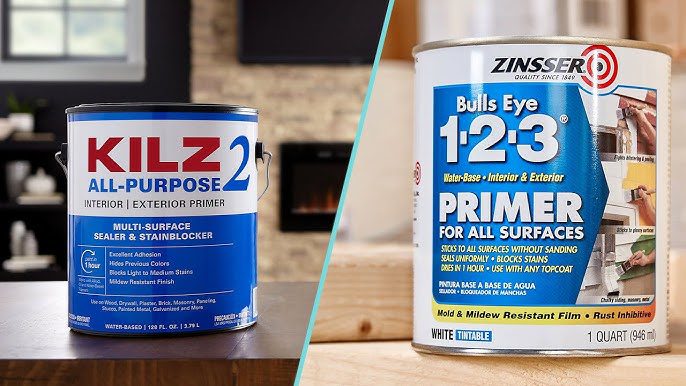
Use an exterior-grade paint specifically designed for metal. A good quality acrylic latex or oil-based enamel will work well. Look for paints that are durable and weather-resistant.
Ensure the surface is properly prepped (cleaned and primed) for best adhesion.
Is it better to paint the roof white or the walls?
Both are beneficial. The roof generally receives more direct sunlight. Painting the roof white can have a significant impact on reducing overall heat gain.
However, painting the walls white also helps reflect heat. A combination of both is ideal if possible.
Can I paint a galvanized metal shed white?
Yes, you can paint a galvanized metal shed. It’s important to clean the surface thoroughly to remove any oils or residue. You may need a special primer designed for galvanized metal to ensure good adhesion and prevent the paint from peeling over time.
How often will I need to repaint my shed white?
The lifespan of the paint depends on the quality of the paint used, the surface preparation, and the local climate. High-quality exterior paint can last 5-10 years or even longer. Regular cleaning and minor touch-ups can help extend its life.
Does the color of the shed’s trim matter?
The trim color has a much smaller impact than the main body and roof color. While dark trim might absorb a bit more heat locally, it won’t significantly raise the overall shed temperature. The main focus should be on the largest surfaces exposed to the sun.
Conclusion: A Brighter Future for Your Shed
So, to answer the big question: yes, painting your metal shed white will help cool it down. It’s a simple, effective way to reduce the amount of heat the shed absorbs from the sun. This alone can make a noticeable difference.
But remember, it’s not the only answer. For the best results, combine white paint with good ventilation and perhaps some insulation. This holistic approach will create a much cooler and more comfortable space inside your shed.
It’s about smart choices for lasting comfort.
Sponsored / affiliate links. As an Amazon Associate I earn from qualifying purchases. I may earn additional commission from eligible campaigns.