Best Heater Options for a Bathroom: Based on Specs and Reviews
The best heater option for a bathroom is usually a hardwired, damp-location-rated wall or ceiling unit placed outside tub and shower zones; use a portable heater only in a dry bathroom with a GFCI-protected outlet and clear floor space. Wrong placement or wiring can create shock, tripping, or fire risks, and it can also force an expensive electrical redo. This guide compares bathroom heater types by safety zone, wiring, and install limits so you can pick the right heat source.
Quick comparison
| Product | Badge | Best for | Price | ||
|---|---|---|---|---|---|
 |
Bathroom Ceiling Heater,Compatible With Broan-NuTone 157noblequest | Our pick | 1250W · ceiling mount · bathroom heater | $54.99
Price as of 23 Oct 2026
|
View |
 |
Stiebel Eltron 236305 CK Trend Wall-Mounted Electric FanStiebel Eltron | Upgrade pick | 2000W/1500W · wall-mounted · electric fan heater | $228.21
Price as of 23 Oct 2026
|
View |
 |
Broan-NuTone Non-Lit PowerHeat Bathroom Exhaust Fan andBroan-NuTone | Pair with it | 1500W · exhaust fan combo · white | $228.83
Price as of 23 Oct 2026
|
View |
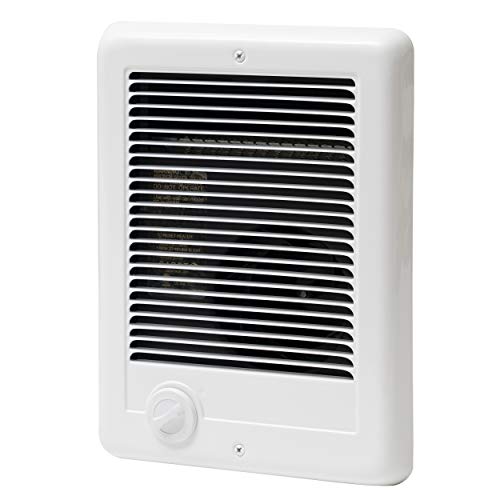 |
Cadet Com-Pak Electric Wall Heater Complete Unit WithCadet | Budget pick | 2000/1500W · wall recess · thermostat | $140.00
Price as of 23 Oct 2026
|
View |
For most bathrooms, start with the room’s wet zones, then match the heater to the wiring you already have. That matters more than whether the unit is fan-forced, infrared, or ceramic.
How we chose
This guide weighs four things: bathroom zone placement, wiring and install type, heating method, and safety features that matter in wet rooms. It also separates retrofit choices from new-build choices, since a ceiling unit, recessed wall heater, or radiant floor system usually needs more planning than a portable model.
Product details below are based on the manufacturer specs and published listings, plus buyer feedback where available. Safety advice follows the practical limits that matter most in bathrooms: splash exposure, outlet placement, and code-compliant wiring.
Wall-mounted electric heater: best for most bathrooms
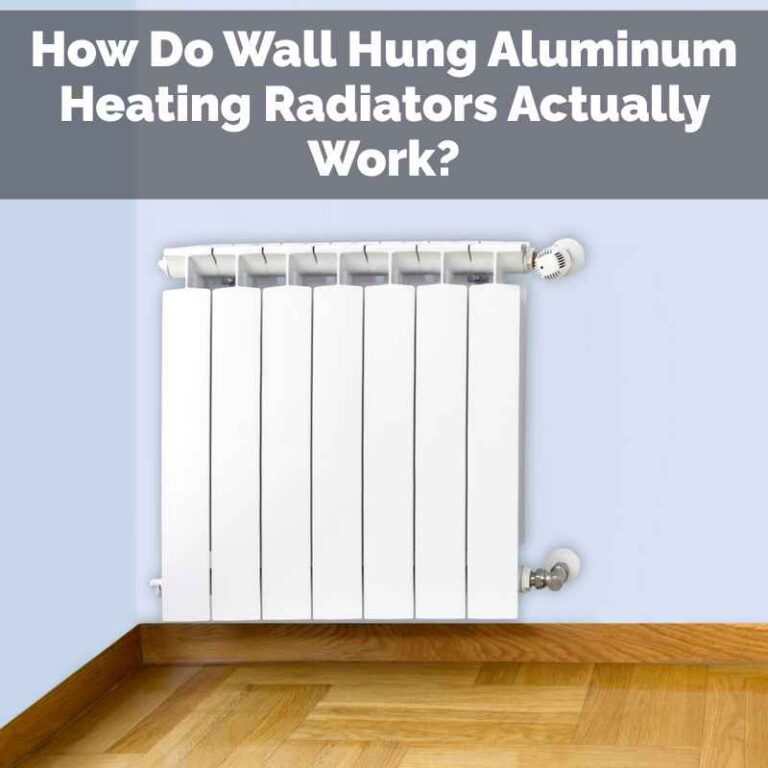
Stiebel Eltron’s 1500W wall-mounted electric fan heater is the most flexible choice for a typical bathroom with limited floor space. The 120V model fits a common 1500W bathroom heater class, which is often used for roughly 100-150 sq ft, and the built-in thermostat provides direct control over comfort.
It works well because wall mounting keeps the heater out of the traffic path and off the floor. That makes it a strong fit for vanity zones and dressing zones, so long as the unit is placed outside tub and shower exposure and installed to the manufacturer’s clearance rules.
The drawback is installation. A hardwired wall unit usually needs more careful retrofitting than a portable heater, and if your bathroom’s existing circuit or mounting location is poor, the project can turn into electrical work rather than a simple swap.
Heater Guides says the best type for a bathroom is a wall-mounted electric heater, and that matches the practical tradeoff here: better placement control, less clutter, and fewer splash concerns than a floor unit. Some wall heaters use fan-forced heat, while others use infrared, so the best model depends on whether you want fast air warmth or direct radiant warmth.
Fan-forced vs infrared
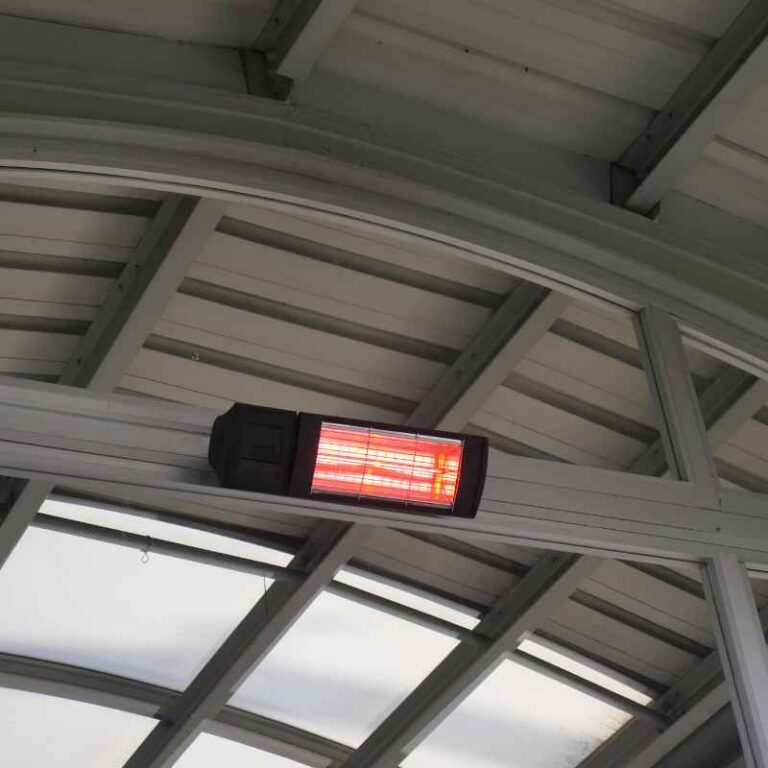
Fan-forced wall heaters move warmed air through the room, which helps when the bathroom has a closed door and a quick temperature drop after shower time. Infrared heat works differently. It sends radiant warmth to objects and people without depending on air circulation, which can be useful in humid spaces where you want direct heat rather than a blast of moving air.
For a small bathroom, a 1500W fan-forced unit is often the simplest fit. For a bathroom that feels chilly at the vanity but does not need whole-room air movement, infrared can be a better match.
Safety features to expect
Look for overheat protection on any bathroom heater. It is a basic cutoff, not a premium extra, and it matters in compact enclosures where airflow can be restricted.
For wall units near splash exposure, IP24 is a practical minimum signal to look for. Dreo’s wall heater has an IP24 rating for splash resistance, and PICKHVAC also lists the Dreo Smart Wall Heater as IP24 splash rated. That kind of rating matters most when the heater sits near a bathroom boundary, not inside a shower area.
Dreo’s wall heater also includes an ALCI plug option for safety. That feature is more common on portable bathroom heaters, but it is a useful reminder that bathroom electrical protection should be built around abnormal current shutoff, not just a marketing label.
Portable ceramic heater: best for flexible heat
A portable ceramic heater makes sense only when the bathroom stays dry enough for safe placement and the outlet location works with the layout. It is best as supplemental heat in a dressing zone or a well-ventilated bathroom where the unit can sit far from water and out of foot traffic.
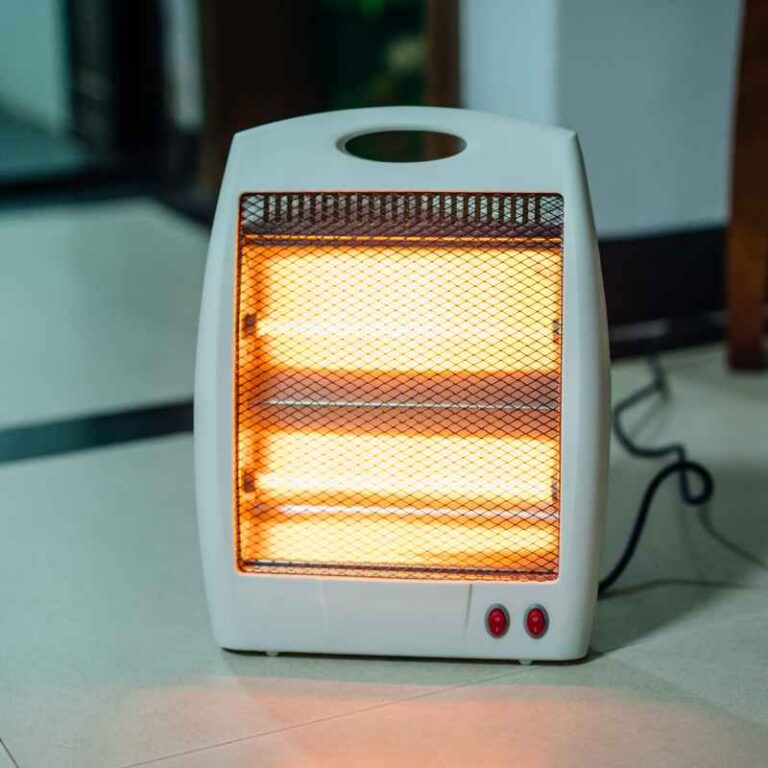
Ceramic PTC heating is the common method to look for in compact bathroom-safe smart units. It heats up fast, and fan assistance helps spread warmth quickly across a small room. That makes it useful when you need short bursts of heat rather than whole-room conditioning.
The drawback is obvious: a portable unit depends on placement discipline. It must stay away from splash exposure, towels, and walkway edges, and it should have overheat protection, tip-over protection, and an ALCI safety plug when the model is listed for bathroom use.
An ALCI safety plug shuts off on abnormal electric flow. That is why it is common on portable bathroom heaters. It is not a substitute for correct outlet placement or code-compliant wiring, and it does not make an unlisted heater suitable for a wet room.
Placement limits near water
A portable heater should stay out of the shower zone and away from direct splash paths. If the heater sits on the floor, it also needs stable clearance around the intake and discharge openings so towels, rugs, and cord routing do not block airflow.
Suppose a 90 sq ft bathroom has a vanity across from the tub and a dry outlet near the door. A portable heater may work for quick morning heat, but only if the cord, plug, and body stay well away from the wet zone and the model is actually listed for bathroom use.
Ceiling-mounted bathroom heater: best when floor space is tight
This ceiling heater suits bathrooms where floor space and wall space are both limited. Noblequest lists it as a 1250W ceiling-mount unit built around an enclosed sheath element, and the design keeps the heater out of the way while leaving the floor clear.
It works best in rooms that already have ceiling access or a compatible ceiling cavity. The built-in installation hook is a practical plus, and the enclosed metal sheath helps protect the element in a bathroom environment.
The drawback is installation complexity. Ceiling heaters need code-compliant wiring and enough room above the ceiling to install correctly, so they are not the easiest retrofit in a finished bathroom.
Broan-NuTone’s non-lit powerheat bathroom fan and heater is another ceiling-style option in the same category, which shows how common this layout is for bathrooms with the right framing. Ceiling heat is a good fit when you want a low-profile solution and can support the electrical work, but it is usually a better planning choice than a quick weekend fix.
When ceiling mounting is the better fit
Choose ceiling heat when the vanity wall is crowded, the floor has no safe open area, or the bathroom layout makes a wall heater awkward. It also works well when you want heat aimed into the room without taking up wall or floor real estate.
Skip it if the bathroom is a simple retrofit with finished surfaces and limited access above the ceiling. In that case, a wall-mounted unit is usually simpler and less disruptive.
Bathroom heater decision table
| Bathroom size | Distance from shower | Available wiring | Preferred install type | Recommended heater category | Must-have safety features |
|---|---|---|---|---|---|
| Very small, under about 75 sq ft | Outside direct splash, away from tub edge | 120V circuit available | Wall-mounted or portable only if listed for bathroom use | Wall-mounted electric or portable ceramic | Overheat protection, IP24 for wall units near splash exposure, ALCI plug for portable units |
| Small to medium, about 100-150 sq ft | Outside shower zone and towel splash paths | Dedicated circuit or existing wall box | Wall-mounted hardwired unit | 1500W wall-mounted electric heater | IP24 or higher, overheat protection, thermostat, proper clearance from wet zones |
| Room with limited wall space | Placed clear of shower spray | Ceiling wiring possible | Ceiling-mounted | Ceiling-mounted bathroom heater | Overheat protection, code-compliant wiring, enclosed element or protected assembly |
| Renovation with planned finish work | Heat aimed at vanity or dressing zone | New wiring can be added | Built-in floor system or hardwired wall/ceiling unit | Radiant floor heat or hardwired heater | Code-compliant install, thermostat control, proper wet-area separation |
The table above is the simplest way to avoid the most common mistake: choosing a heat source before checking the room’s wet zones and wiring. Bathrooms fail first at the edges, where condensation, outlet placement, and splash exposure meet a heater that was never meant for that spot.
Portable vs wall-mounted vs ceiling-mounted
| Install type | When to choose it | Why it fits |
|---|---|---|
| Portable | You need temporary heat in a dry bathroom and have clear floor space | Fast to move, no wall cutting, good for short-term use when listed for bathroom use |
| Wall-mounted | You want the safest all-around fit for most bathrooms | Gets heat off the floor, works well in vanity zones, common 1500W size |
| Ceiling-mounted | You want the safest all-around fit for most bathrooms | Low-profile layout, useful in compact rooms, but installation is more involved |
| Radiant floor heat | You are remodeling and want hidden whole-room warmth | Best for new builds or major renovations, not a quick retrofit |
Which one should you buy?
Choose a wall-mounted electric heater if you want the best mix of safety, space savings, and day-to-day usefulness. For most bathrooms, that is the clearest answer.
Choose a portable ceramic heater only if the bathroom is dry enough, the outlet placement works, and the model is explicitly listed for bathroom use. In that case, an ALCI plug and overheat protection are non-negotiable.
Choose a ceiling-mounted heater if the room cannot spare floor or wall space and you are ready for code-compliant wiring. That is the right move in a remodel, not the easiest fix in a finished bath.
Choose radiant floor heat if you are already opening the bathroom floor. It is the cleanest hidden option, but it belongs in a renovation plan, not a quick replacement job.
Say your bathroom is 120 sq ft, the shower sits on one wall, and the vanity wall is the only open surface left. A 1500W wall-mounted heater is usually the cleanest fit because it keeps heat out of the floor path and out of the shower boundary.
Suppose you have a small powder room with a dry outlet near the door and no wall space for a hardwired unit. A portable ceramic heater may work, but only if it is listed for bathroom use and can sit well clear of water and foot traffic.
Can I put a heater in my bathroom?
Yes, if the heater type matches the room and the install follows the wet-area layout. The key question is not whether a bathroom can have heat, but where the heater sits, how it is wired, and whether the model is intended for bathroom use. Splash exposure and outlet placement matter more than the label on the box.
Can you put an electric heater in a bathroom?
Yes, but only the right kind. Hardwired wall and ceiling units are the most practical electric choices for many bathrooms, while portable models should be used only when they are specifically listed for bathroom use and placed in a dry area with proper outlet protection as required by local code.
Which type of heater is safest for a bathroom?
A hardwired wall-mounted electric heater is usually the safest all-around choice for a typical bathroom because it stays off the floor and can be placed outside the wettest zones. For a room with no safe wall location, a ceiling-mounted unit can be a strong second choice if the wiring is code-compliant.
Do bathroom heaters need an IP24 rating?
IP24 is a practical minimum splash-protection signal for wall units near bathroom splash exposure, but not every bathroom heater needs that exact rating in every location. The rating matters most when the heater sits close to the wet zone. For portable units, the better safety signal is bathroom listing plus ALCI protection.
How far should a bathroom heater be from the shower?
Keep the heater outside direct shower exposure and away from splash paths. The exact clearance depends on the manufacturer’s instructions and local code, so there is no single universal distance that fits every model. A towel-warmer style heater should be at least 3 feet from direct water, according to Sprucebath.
What size heater do I need for a small bathroom?
Insulation, ceiling height, climate, glass area, and door sealing can all change the load.
Is an ALCI plug required for bathroom heaters?
An ALCI plug is common on portable bathroom heaters, and it is a strong safety feature because it shuts off on abnormal electric flow. It is not a universal requirement for every bathroom heater, especially hardwired units. Check local code and the product listing before you assume one is needed.
Are infrared or ceramic heaters better for bathrooms?
Neither is always better. Infrared heat gives direct radiant warmth and does not rely on air circulation, which can feel good in humid rooms. Ceramic PTC heating warms up quickly and is often fan-assisted, which helps spread heat faster in a small bathroom. Choose based on whether you want direct warmth or quick room mixing.
What heaters can be used in a bathroom?
Bathroom-safe choices include wall-mounted electric heaters, ceiling-mounted heaters, portable ceramic heaters that are listed for bathroom use, and radiant floor heat in a remodel. The right choice depends on wet-zone placement, available wiring, and whether you need a retrofit or a built-in solution.
Frequently asked questions
Should I use a portable or wall-mounted bathroom heater?
Use a wall-mounted heater if you want the safest, least cluttered option for a typical bathroom. Choose a portable heater only if the room is dry enough, the model is listed for bathroom use, and you need temporary heat rather than a permanent install.
Sponsored / affiliate links. As an Amazon Associate I earn from qualifying purchases. I may earn additional commission from eligible campaigns.
 AZEUS Portable AC and Heater Unit, 420W 110V Compact Air Conditioner for Tent RV Truck Cabin and Small Room, 1400W Cooling, 800W Heating, Remote Control, Dehumidifier, Sleep Timer, ChampagneMEGAWISE Portable Air Conditioner and Heater, 420W 110V Compact AC Unit with Remote Control, 1400W Cooling Capacity, 800W Heating, Dehumidifier, Fan, Sleep Timer, Champagne