3 Best Insulation for Sun-Facing Windows (2026): Research Shows
For sun-facing windows, start with exterior shading, then reflective window film, then cellular shades; use DIY inserts only as a short-term backup. Let heat build in, and rooms get hotter, AC runs harder, and fading gets worse. This guide ranks each option by sun exposure, daylight, and budget.
Why exterior shading beats interior films for hot exposures

South-facing and west-facing windows often get the most direct sun. West-facing glass often takes the hardest hit in late afternoon, when outdoor temperatures are still high and indoor rooms are already warm. For that reason, exterior shading is the strongest choice for the hottest exposures, with interior options handling the rest.
Exterior shade first. Reflective film next. Cellular shades after that. That order matters because it separates solar heat control from air sealing. Window film and shades generally cut radiant heat and glare, while weatherstripping generally helps stop air leaks around movable parts.
Why exterior shade comes first
Exterior shading blocks solar energy before it reaches the glass. That makes it more effective than anything mounted inside the room, because the window itself does not get as hot. Awnings and exterior blinds also protect furniture, rugs, and artwork from UV exposure.
Use exterior shade when the window gets direct sun for several hours, especially on west-facing walls. Use an interior option when you need easier removal, more privacy control, or a less exposed installation. If winter sun helps in your climate, reflective film deserves extra caution on south-facing glass.
When an interior option is the better fit
Choose an interior treatment when you rent, when the window is hard to reach, or when you want to keep more daylight. Cellular shades are the strongest interior upgrade. Window film fits best when the main goal is heat and UV control, while blackout blinds are better when glare reduction matters more than daylight.
For a single-pane sun-facing window, an interior treatment alone may not be enough. Minimal thermal resistance means higher heat gain, so the best result often comes from combining an exterior shade with an interior layer. If that is not possible, start with film or cellular shades based on the room’s daylight needs.
Quick comparison

| Product | Badge | Best for | Price | ||
|---|---|---|---|---|---|
 |
EZ Snap Solar Screens for Windows Exterior Kit, WindowEZ-SNAP | Our pick | 36" x 72" · solar screen · black | $89.95
Price as of 27 Oct 2026
|
View |
 |
Volcanics One Way Window Privacy Film Daytime Privacy 35.4"Volcanics | Also great | 35.4" x 78" · privacy film · silver | $28.99
Price as of 27 Oct 2026
|
View |
 |
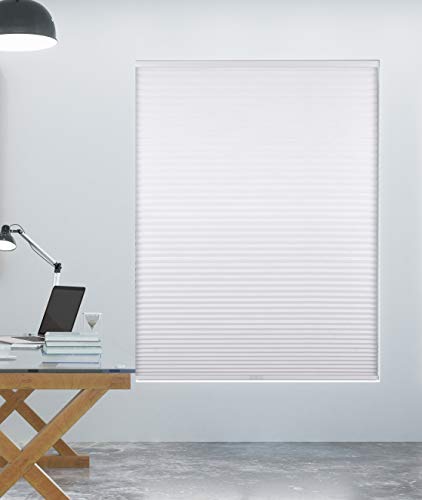
No Drill No Tools Blackout Cellular Shades,Cordless BlindsChangshade | Upgrade pick | 34.5" W x 64" H · blackout cellular · white | $53.35
Price as of 27 Oct 2026
|
View |
 |
Arlo Blinds Single Cell Room Darkening Cordless CellularArlo Blinds | Pair with it | 34.5" W x 60" H · room darkening · white | $51.99
Price as of 27 Oct 2026
|
View |
 |
Chivertion 6 Pcs 47" x 63" Window Insulation Kit WinterChivertion | Our pick | $18.99
Price as of 21 Nov 2026
|
View |
Use the tables below to match the fix to the window, not just to the symptom. The best answer changes with orientation, sun hours, rental status, and how much daylight you want to keep.
| Window situation | Sun hours | Rent or own | Daylight goal | Budget | Best choice |
|---|---|---|---|---|---|
| West-facing living room | 6+ hours direct sun | Homeowner | Keep some daylight | Mid to higher | Awnings, then reflective film, then cellular shades |
| South-facing bedroom | 4+ hours direct sun | Renter | Lower glare, some privacy | Low to mid | Reflective film or removable cellular shades |
| West-facing office | Afternoon heat spike | Homeowner | Moderate daylight | Mid | Exterior blinds or awning, then film if needed |
| South-facing kitchen | Strong midday sun | Renter | High daylight | Low | Film if allowed; weatherstripping only if drafts are present |
| Single-pane sunroom window | All-day direct sun | Homeowner | Variable | Mid to higher | Exterior shade plus film, then cellular shades for comfort |
| Bedroom with light sensitivity | Morning or afternoon sun | Renter | Very low daylight | Low | Blackout blinds or thermal curtains |
| Option | Heat-blocking | Light loss | Removability | Cost tier |
|---|---|---|---|---|
| Awnings | Very high | Low indoors, because daylight still enters | Low to medium | Mid to higher |
| Exterior blinds | Very high | Medium to high | Low to medium | Mid to higher |
| Reflective window film | High | Medium | Medium to high | Low to mid |
| Cellular shades | High | Medium to high, depending on fabric | Medium | Mid |
| Blackout blinds or thermal curtains | Medium | Very high | High | Low to mid |
| Weatherstripping | Low for solar heat, high for drafts | None | Medium | Low |
| Bubble wrap insert | Low to medium | High if used across full glass | High | Very low |
How we chose
The ranking is based on four things: heat blocking, daylight loss, installation difficulty, and how well each option fits renters versus homeowners. That keeps solar-control products separate from air-sealing products.
Heat blocking matters most for west-facing and south-facing windows. Daylight loss matters most in living rooms, kitchens, and offices. Removability matters when you rent. Climate matters because a solution that helps in August can be a poor fit in January.
A common first-timer mistake is buying weatherstripping for a blazing west window and expecting it to stop solar gain. It will not. It only helps when the problem is moving air around the sash or frame.
Picture an about 3-by-5-foot west-facing bedroom window that gets direct sun from about 3 p.m. to sunset. If the room overheats but the blinds still feel drafty in winter, you likely have two problems: solar gain and air leakage. Fix the heat first, then seal the leaks.
Awnings: best for the hottest exposures
Awnings are the best answer for windows that take hard afternoon sun, especially west-facing glass. They cut heat before it reaches the pane, which is why exterior shade usually beats any indoor covering for peak summer heat.
On south-facing windows, awnings can reduce heat gain by 65%. On west-facing windows, they can block 77% of the sun’s heat. External blinds can hold off up to 75 percent heat, and they work best when lowered in the morning.
Use this kind of exterior screen when you want to keep daylight and view, but reduce the solar load. The tradeoff is cost and permanence. Exterior gear is more visible, and some setups are less convenient for renters or for windows with limited mounting options.
Window film: best for heat and UV control
Reflective window film is a strong second choice because it reflects solar heat and blocks UV rays. It works when you need heat control without adding a bulky covering, and it can help slow fading of furniture, rugs, and artwork.
It can be DIY or professionally installed. That gives you a wide range of price and finish options. It is less attractive in climates where winter sun is welcome, because the same film that cuts summer heat can also reduce helpful passive solar gain.
Choose film when glare and UV damage are the main complaints, and when you still want the window to look open from indoors. It is less ideal if you want the clearest daytime view, or if you expect to remove it often.
What UV protection helps prevent
UV protection is not only about skin comfort. Films and some blackout options help reduce fading on furniture, rugs, and artwork. That matters on south-facing and west-facing windows, where direct sun can sit on the same surfaces for hours.
If the room has valuable textiles or framed art, UV blocking can matter as much as heat blocking. In that case, a reflective film plus an interior shade gives better control than either one alone.
Cellular shades: best interior upgrade
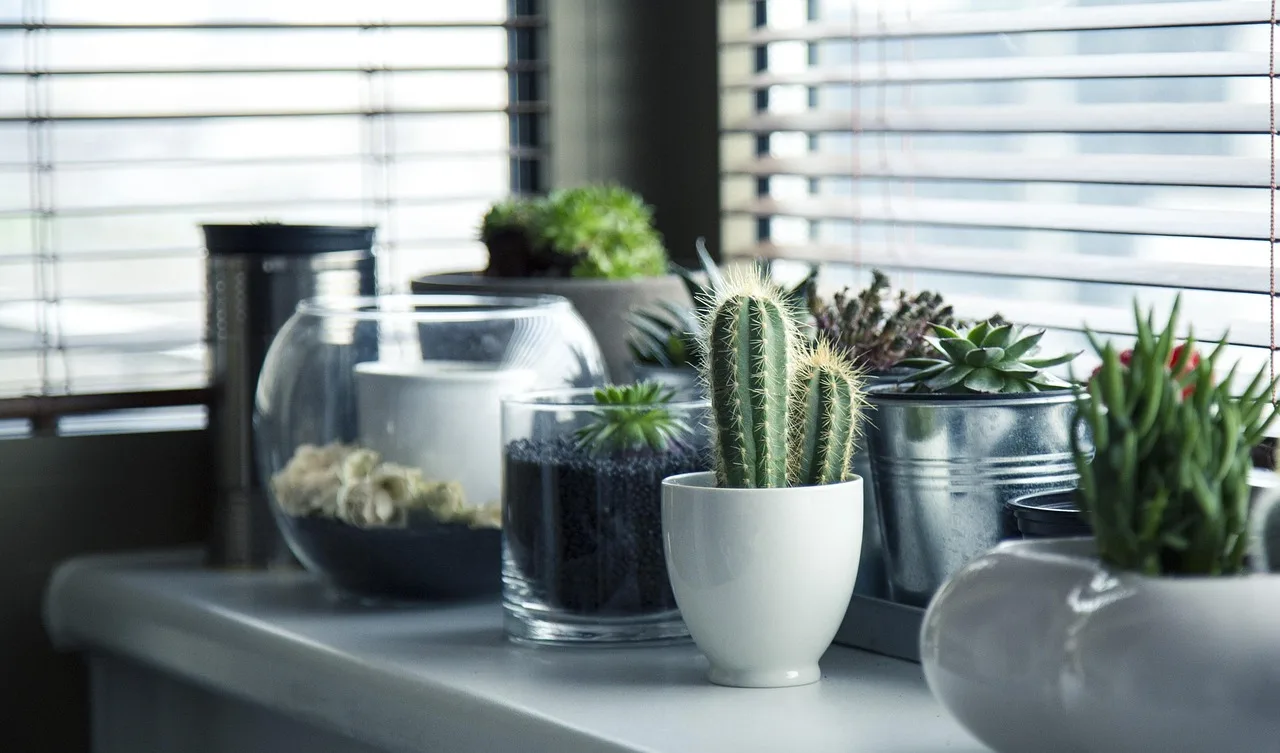
Cellular shades are the best interior option because the honeycomb air pockets slow heat transfer. Properly installed cellular shades can block as much as 60% of the sun’s heat energy, and they open and close easily when you want daylight back.
They are one of the most energy-efficient window coverings, which is why they are the top pick once exterior shade is not possible. They work well in bedrooms, offices, and living rooms where you want a cleaner look than blackout drapes can provide.
The drawback is that they are still inside the glass line, so they cannot match the heat stop of awnings or exterior blinds on a very hot west-facing window. Darker or blackout versions also reduce light more than many homeowners expect.
Where daylight and privacy fit
Cellular shades work well when you want a middle ground: less heat, less glare, and decent privacy without making the room cave-dark. Light-filtering versions keep more daylight than blackout types. That makes them a better fit for rooms used during the day.
Suppose a south-facing nursery gets glare but still needs daylight for naps and morning routines. A cellular shade can trim heat and soften the sun without forcing the room into full blackout mode. A reflective film would cut heat more, but it would also change the glass more permanently.
Blackout blinds and curtains: best for glare control
Blackout blinds and thermal curtains help reduce light and add insulation, but they are not the best first answer for the hottest sun-facing windows. Heavier and thicker than normal drapes, they reduce glare well and can improve comfort in bedrooms or media rooms.
One common construction detail is a reflective side facing the window. That helps push some heat back outward. In one product description, blackout thermal curtains block 85% to 99% of light in darker colors, which tells you how much room darkening they can create.
The tradeoff is obvious: you gain darkness and some insulation, then lose view and a good share of daylight. If the room already feels dim, these are usually a backup choice rather than the main solar-control fix.
Weatherstripping: best for air leaks, not sun
Weatherstripping seals gaps around movable window parts. It comes in foam, vinyl, felt, and silicone. Use it to stop drafts, rattling, and air leakage around sashes and frames. Do not use it as a substitute for solar-control products.
It is the right choice when the window feels leaky even on mild days, or when you can feel outside air moving around the sash. It does little to stop radiant heat from a south-facing or west-facing window.
The clean rule is simple: if the problem is a hot pane, reach for shade or film. If the problem is a draft, reach for weatherstripping. Some windows need both.
Reflective insulation roll: best temporary backup
Reflective insulation rolls are cut-to-size foil-based materials used for windows and similar spaces, including RVs and garages. Some versions are described as reflecting up to 90% of radiant heat, and they are often installed with tape.
This is a backup tool, not a polished long-term answer for a front room. It can work when you need a fast summer fix, especially on a utility window, workshop, or temporary setup. The downside is appearance, limited view, and the fact that it is usually better suited to short-term use.
Bubble wrap insulation: best temporary DIY stopgap
Bubble wrap window insulation is a removable summer hack that uses trapped air pockets to slow heat movement. It can be sprayed with water and pressed on, then removed later. Versions may be clear or reflective.
It is cheap and quick. It is also the least refined option here. You lose clarity, the look is temporary at best, and the seal is not as dependable as a purpose-made film or shade. Use it when budget is tight and the goal is to get through a season, not solve the window permanently.
Which one should you buy?
If you rent, start with reflective window film if your lease allows it. If film is not allowed, choose cellular shades with easy mounting, or use a temporary DIY insert only for the hottest season. For the strongest heat reduction, an exterior shade still wins.
If you own the home, buy exterior shading first for west-facing or all-day sun, then add film if you want more UV control. For rooms that still need daylight, cellular shades are the best interior layer. Awnings are worth the cost when the same window gets direct sun every hot season.
If your budget is tight, weatherstripping is the cheapest fix for drafts, but it will not tame sun heat. For solar gain, bubble wrap or reflective insulation roll can buy time. That said, the best low-cost permanent move is usually film, because it balances cost, removability, and heat control better than a full blackout setup.
For single-pane sun-facing windows, use a stronger combo. Exterior shade first if possible. Add reflective film for heat and UV. Finish with cellular shades if the room still runs hot. That sequence gives you solar control without turning the room into a dark box.
Frequently asked questions
What is the best window insulation for sun-facing windows?
Exterior shading is the best heat control for sun-facing windows, especially on west-facing glass that gets hard afternoon sun. Reflective window film is the next best choice for heat and UV control, and cellular shades are the strongest interior upgrade when exterior shading is not possible.
Do cellular shades or window film work better for hot windows?
Window film usually blocks more radiant heat directly, while cellular shades are better when you want an interior solution that still opens and closes easily. If you need the most heat control and can accept a more permanent look, film wins. If daylight and removability matter more, choose cellular shades.
Should I use reflective film on south-facing windows?
Use reflective film on south-facing windows if summer heat and UV fading are the main issues. Skip it or choose a lighter option if your climate depends on winter sun for passive warming. South-facing glass often gets steady sun, so the winter tradeoff deserves real attention.
Will blackout curtains help reduce heat from sunny windows?
Blackout curtains help reduce glare and add some insulation, especially when they have a reflective side facing the window. They are useful for bedrooms and media rooms, but they are not the top heat-control fix for the hottest sun-facing windows. Expect more light loss than with film or exterior shade.
What is the cheapest way to keep sun-facing windows cooler?
For a low budget, weatherstripping fixes drafts, but it does not stop solar heat. For actual sun control, bubble wrap insulation or reflective insulation roll is usually the cheapest temporary option. If you want the best low-cost long-term balance, reflective film is often the stronger buy.
Do awnings or exterior blinds block more heat than indoor treatments?
Yes. Exterior shading blocks solar heat before it reaches the glass, so it generally outperforms indoor treatments. Awnings can reduce heat gain by 65% on south-facing windows and 77% on west-facing windows, while external blinds can hold off up to 75 percent heat when used properly.
What should I use on single-pane sun-facing windows?
Single-pane windows have minimal thermal resistance, so they usually need a stronger retrofit than double-pane glass. Start with exterior shading if you can. Then add reflective film for heat and UV control, and use cellular shades or blackout blinds if the room still needs more comfort.
When should I choose weatherstripping instead of window film?
Choose weatherstripping when the problem is air leakage around the sash, not heat passing through the glass. It is the right fix for drafts, rattles, and gaps around movable window parts. Choose window film when the problem is solar heat, glare, or fading from direct sun.
Sponsored / affiliate links. As an Amazon Associate I earn from qualifying purchases. I may earn additional commission from eligible campaigns.