How to Fix a Burst Pipe Temporarily
Turn off the main water valve, then use a rubber patch and hose clamp for a pressurized leak on copper or PVC; if the pipe is split, clamp the break and call for replacement, not tape. Leaving pressure on a weak patch can flood walls, ruin floors, and turn a small leak into a larger repair. This guide helps you match the temporary fix to the burst type, pipe material, and water pressure.
This guide is part of our Frozen Pipes: How to Prevent, Thaw and Fix Them series.
What you’ll need


- Main water shut-off valve or meter valve location you can reach fast
- Bucket, towels, and a wet/dry vacuum if available
- Pipe repair clamp for straight, exposed pipe runs
- Two-part epoxy pipe repair putty
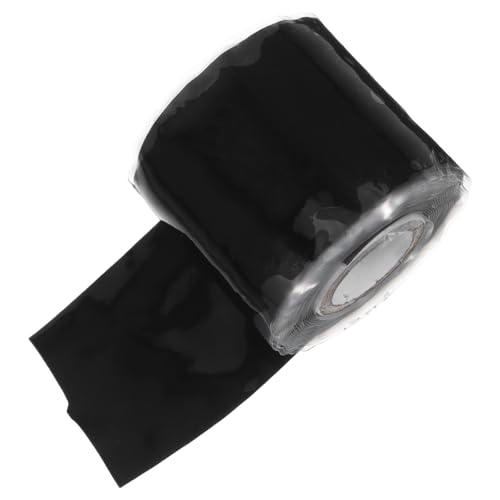
- Self-fusing silicone repair tape
- Rubber patch or rubber sheet
- Hose clamp or C-clamp
- Sleeve clamp, if the damaged section is exposed and accessible
- Utility knife or scissors for cutting rubber or tape
- Clean dry cloths or paper towels
- Flashlight
Which temporary burst-pipe fix fits this failure?
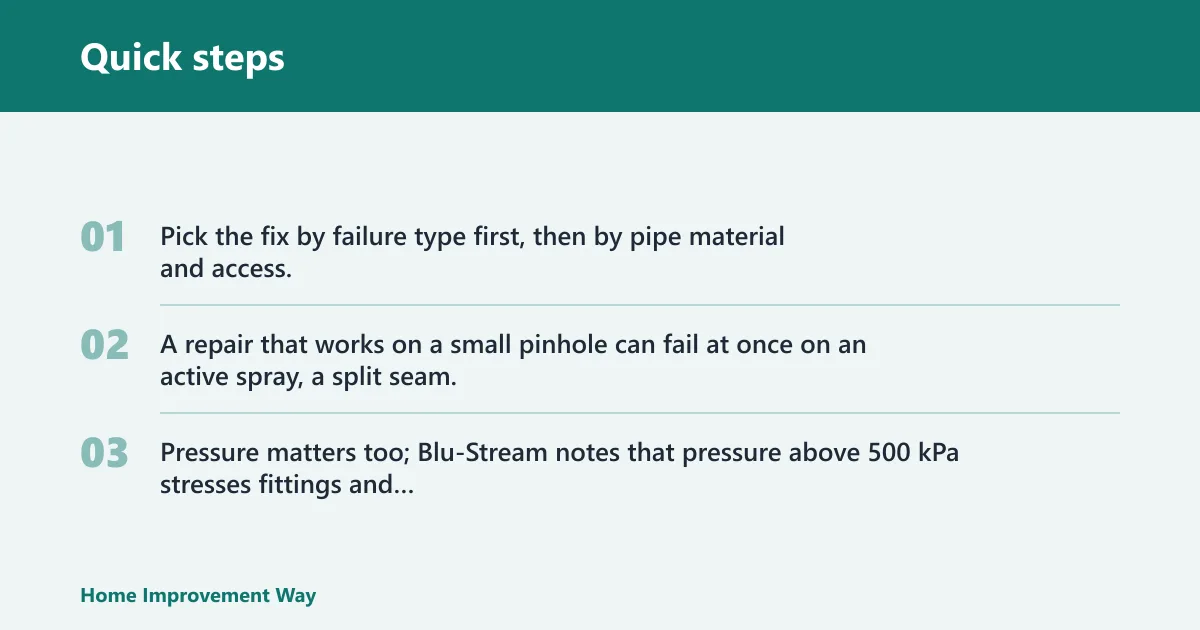
Pick the fix by failure type first, then by pipe material and access. A repair that works on a small pinhole can fail at once on an active spray, a split seam, or a hidden wall leak. Pressure matters too; Blu-Stream notes that pressure above 500 kPa stresses fittings and pipe walls.
| Pipe material | Leak type | Accessibility | Recommended temporary fix | Tools needed | Expected hold time | Red flags that mean do not attempt |
|---|---|---|---|---|---|---|
| Copper or galvanized steel | Straight-run split, small and exposed | Easy access | Pipe repair clamp | Clamp and wrench | Hours to a short day, if pressure stays down | Active spray, large split, pipe movement, hidden wall cavity |
| Copper or PVC | Pinhole leak or hairline crack | Easy access | Epoxy pipe repair putty after drying the pipe | Putty, gloves, cloth | Hours to days on a low-flow leak | Wet surface that will not dry, wide split, hot pipe that keeps sweating |
| PEX or copper | Moderate leak on exposed section | Easy access | Self-fusing silicone repair tape | Repair tape, scissors | Short-term only | High-pressure spray, sharp split, hidden pipe, sharp edges that cut the tape |
| Copper, PVC, or galvanized steel | Joint failure or leaking coupling | Accessible joint | Rubber patch with hose clamp or sleeve clamp | Rubber piece, hose clamp or sleeve clamp, screwdriver or wrench | Short-term containment | Loose pipe, cracked fitting body, joint moving under pressure |
| Any common household pipe | Wall-cavity leak or active spray | Hidden or hard to reach | Stop water, contain damage, and wait for a plumber | None for patching; use towels and bucket | Do not rely on a temporary patch | Water behind drywall, ceiling drip, electrical hazard, unknown damage path |
How do you stop a burst pipe first?
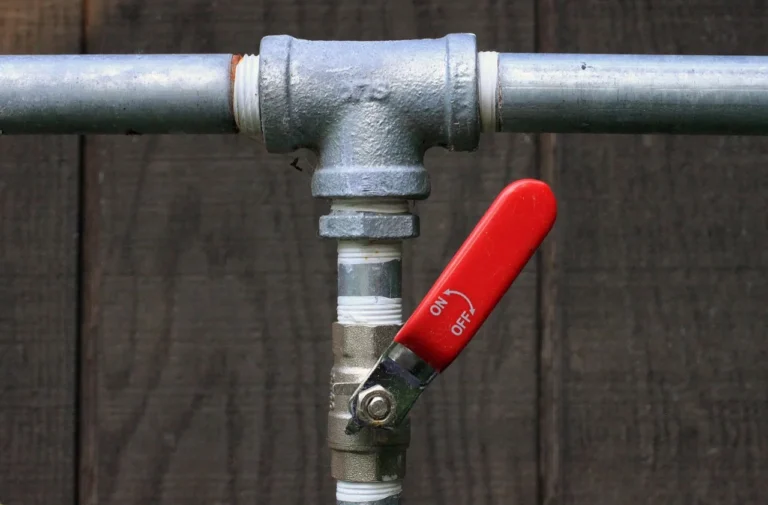
Shut off the main water supply, then open nearby faucets to drain pressure before you patch anything. If water is near sockets or a distribution board, shut off electricity to the affected area first. A burst pipe can worsen by the minute, so treat the first minutes as the only safe window for action.
Shut off the main water supply
- Locate the main stopcock or meter valve; it is often near the meter, the supply entry point, or under the kitchen sink.
- Turn the valve fully clockwise to stop supply.
- If a booster pump exists, switch it off too.
Relieve trapped pressure
- Open the lowest cold taps in the home.
- Leave them open until the spray or rush stops.
- Do not test the main water supply before the repair is done.
Check for electrical risk
- Keep clear if water is near sockets, a breaker panel, or a distribution board.
- Shut off electricity to the affected area if needed.
- Stay out of puddles that could reach energized equipment.
Which temporary fix fits your pipe?
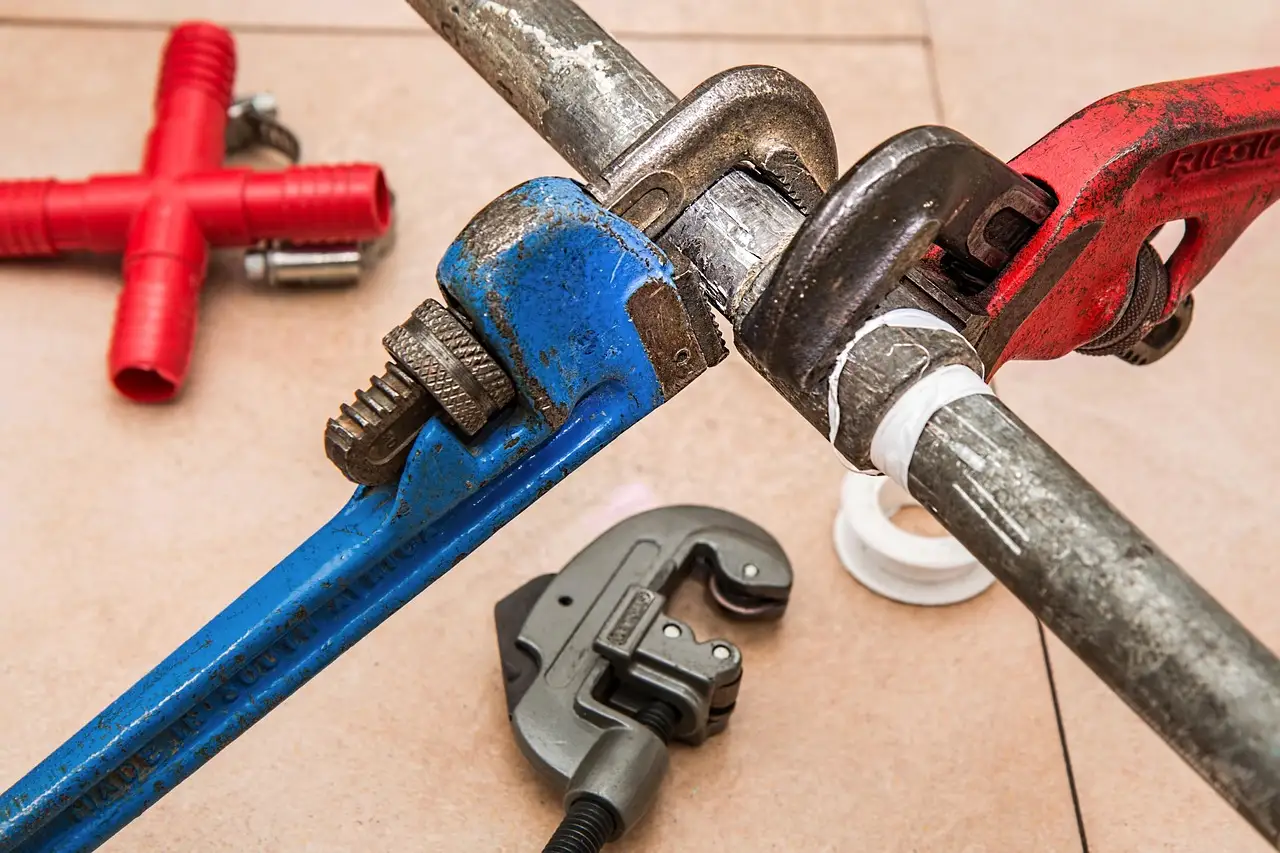
Use the least aggressive fix that still matches the failure. A pipe repair clamp fits an exposed straight run. Epoxy putty fits a tiny crack or pinhole after the pipe is dry. Self-fusing silicone tape fits a moderate leak that is not spraying hard. Rubber patches, hose clamps, and sleeve clamps are containment tools, not final repairs.
Pipe repair clamp for exposed straight runs
A pipe repair clamp is a rubber-lined metal clamp. It is best for a straight section of rigid pipe, especially copper or galvanized steel, when the damage is visible and the pipe is not moving. It is temporary, not permanent.
Epoxy pipe repair putty for pinholes
Epoxy pipe repair putty is a two-part compound. Press it over a crack or pinhole after drying the pipe surface as fully as you can. It typically sets hard within a few minutes, so shape it before it starts to stiffen.
Self-fusing silicone repair tape for moderate leaks
This tape stretches and wraps tightly around the pipe. It bonds to itself without adhesive, which helps in damp spaces better than duct tape, but it still needs a controlled leak rather than a high-pressure spray.
Rubber patch with hose clamp or sleeve clamp
A rubber patch placed over the leak can be secured with a hose clamp. A sleeve clamp can also sit over the damaged section and tighten down with a wrench. Both are short-term containment only. Use them when the pipe is exposed and the leak is steady, not violent.
Duct tape as a short hold only
Duct tape can slow a leak on a clean, dry pipe, but it is not a durable repair. If the pipe is wet, spraying, or moving, it usually fails fast. Use it only to buy time while you shut off water or set a better patch.
How do you apply the patch safely?
Dry the pipe, fit the patch or clamp over the damaged spot, then check for seepage before you leave it alone. If a copper pipe has a pinhole the size of a pin tip, epoxy may hold. If the same pipe is spraying a narrow jet, skip the putty and move to a clamp or full shutoff and replacement.
Dry the surface as fully as you can
- Wipe the pipe with a dry cloth.
- Keep towels under the leak so new water does not spread.
- If the surface stays wet, do not expect epoxy or tape to bond well.
Fit the patch or clamp over the damage
- Center the rubber patch over the leak.
- Position the hose clamp or C-clamp over the patch assembly.
- For a pipe repair clamp or sleeve clamp, seat it squarely across the damaged section.
Tighten, hold, and watch the seam
- Tighten the clamp until the patch sits flat and even.
- Wait a minute and check the edges for seepage.
- If the leak grows, stop and switch to a more suitable fix or call for replacement.
Pressure-test before you walk away
- Keep the main valve off during the first check.
- Watch the patch for dripping or bulging.
- Only after the temporary repair looks dry, briefly bring pressure back in the line if needed for a test, then shut it down again if any leak returns.
When is a burst pipe beyond a temporary repair?
A hidden wall leak, an active spray, a major split, or a joint that will not stop moving is beyond a patch. If the pipe has broken inside a wall cavity, the priority is to stop water, limit damage, and get professional drying and repair. A temporary fix is only for visible, controllable failures.
Stop and call a plumber when you see
- Water behind drywall, ceiling, or cabinets
- A split longer than the width of the clamp or patch
- Fast spray that knocks the patch loose
- Cracked fitting body, not just a small opening in the pipe wall
- Repeated seepage after two patch attempts
- High-pressure water that keeps forcing the patch open
Common mistakes
Most failed emergency repairs come from choosing the wrong fix for the damage, not from the patch brand. Duct tape over a wet spray, for example, usually peels off quickly. A hidden wall burst also needs damage control, not just a patch on the visible side of the wall.
- Using duct tape as the main repair. It is only a short delay on a clean, dry pipe.
- Skipping pressure relief. If trapped pressure stays in the line, the patch is more likely to fail.
- Trying to seal an active spray with putty alone. Putty works best on small cracks and pinholes after drying.
- Ignoring a wall-cavity leak. Hidden water needs prompt cleanup and repair, not a wait-and-see patch.
- Keeping a temporary fix in service too long. These methods are for hours or short-term containment, not a permanent repair.
Frequently asked questions
How do I temporarily fix a burst pipe?
Shut off the main valve, open the lowest cold taps, and choose a repair that matches the failure. Use a clamp on a straight exposed split, putty on a tiny pinhole, or a rubber patch with a clamp for a steady leak. If the pipe is spraying hard, stop and call for replacement.
What should I do first when a pipe bursts?
Locate the main stopcock or meter valve and turn it fully clockwise. If a booster pump exists, switch it off too. Then open the lowest cold taps to bleed pressure from the system and keep clear of sockets or a distribution board if water has spread that far.
Can I use a pipe repair clamp on a burst pipe?
Yes, but only on an accessible straight run of rigid pipe, and only as a temporary fix. It fits best on copper or galvanized steel with a visible split or pinhole. Do not use it on a hidden wall leak, a moving joint, or a large jagged break.
Will duct tape stop a burst pipe leak?
Only for a very short slow-down on a clean, dry pipe. Duct tape is not reliable on a wet surface, an active spray, or a pressurized split. Use it to buy time while you shut off water or fit a real temporary containment method.
How do I shut off water after a pipe bursts?
Find the main stopcock or meter valve, then turn it fully clockwise until it stops. If the line has a booster pump, switch that off too. Afterward, open the lowest cold taps to release trapped pressure before you handle any patch or clamp.
Sponsored / affiliate links. As an Amazon Associate I earn from qualifying purchases. I may earn additional commission from eligible campaigns.