What Color Dining Table Goes With Dark Wood Floors?
When your floors are dark wood, selecting a dining table color is about balance and contrast. Aim for tones that complement the rich depth of your floors without making the room feel too dark. Think about lighter woods, painted finishes, or even some natural materials.
The goal is to create a cohesive and inviting dining space that feels just right for your home.
The Dance of Dark Wood Floors and Dining Table Colors
Dark wood floors are a fantastic foundation for any dining room. They lend an air of sophistication and coziness. But they also present a unique challenge when it comes to picking out furniture.
A table that’s too dark might blend in too much. It can make the space feel a bit heavy or dim. On the other hand, a table that’s too light might feel out of place or clash with the floor’s richness.
It’s a delicate balance.
Understanding this interplay is key. We need to think about contrast. We need to think about harmony.
We also need to consider the overall mood you want to create. Do you want a bright and airy feel? Or do you prefer a more intimate, moody atmosphere?
The color of your dining table plays a huge role in setting that tone.
My Own Dining Room Dilemma
I remember staring at my own dark walnut floors for hours. I had just moved into a new place. The floors were stunning, a deep, rich brown.
I brought in my old oak dining set. It looked… okay. But something was missing.
It felt a little too matchy-matchy. The table just sort of disappeared against the floor. It didn’t have that “wow” factor I was hoping for.
I felt a pang of frustration. I’d spent so much time choosing the floors. Now, the main piece of furniture in the room felt like an afterthought.
One weekend, I decided to borrow a friend’s painted white table. It was a simple, farmhouse-style piece. The moment I set it up, the room transformed.
Suddenly, the floors seemed even richer. The table popped. The light felt brighter.
It wasn’t just about the color, though. It was about the contrast it created. That experience taught me a lot.
It showed me that sometimes, the best pairings aren’t about matching, but about complementing and creating a beautiful visual story.
Quick Look: Top Table Color Ideas
Idea 1: Light & Airy Whites/Creams
These colors offer a crisp contrast. They make the dark floors pop. Think of a softly painted white or a creamy off-white.
This is great for a bright, casual feel.
Idea 2: Natural Wood Tones
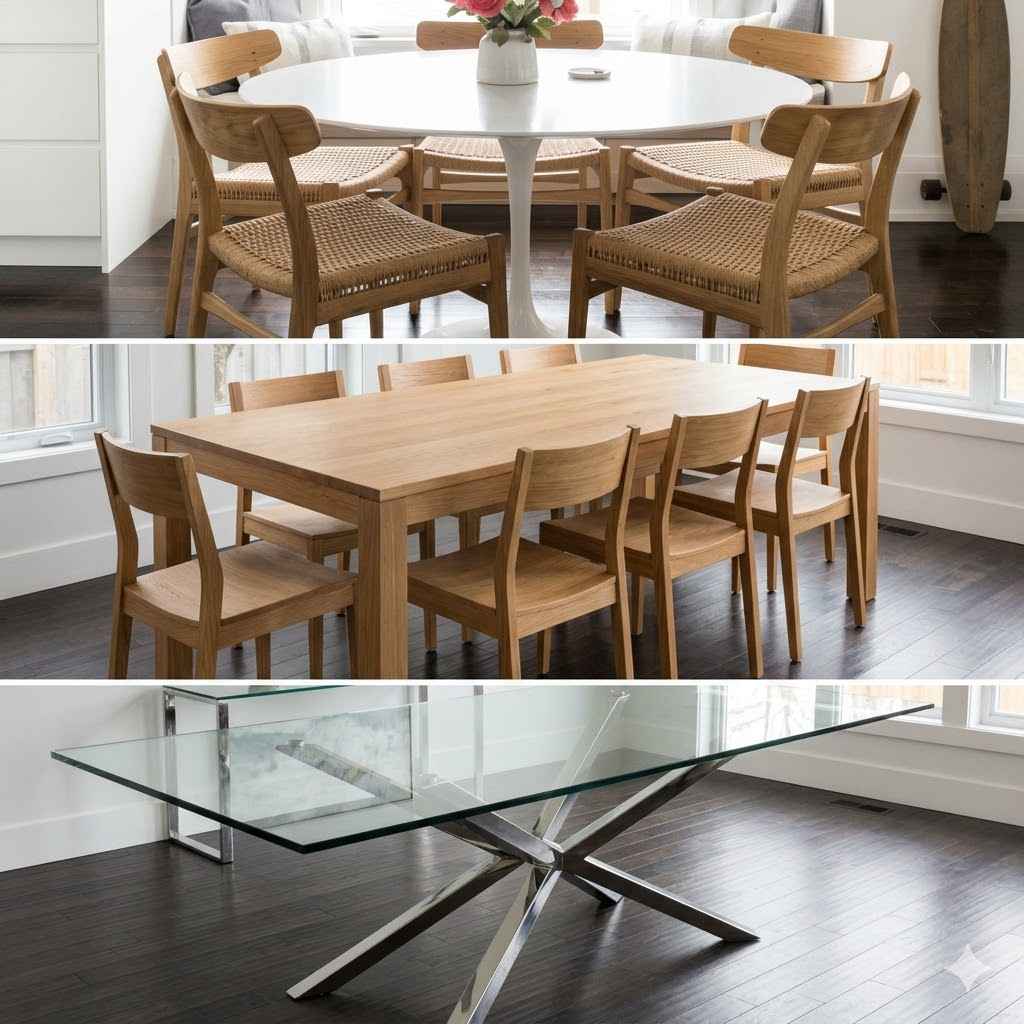
Don’t shy away from wood. Opt for lighter woods like maple, birch, or light oak. These bring warmth without competing.
They create a classic look.
Idea 3: Cool Grays
Soft or medium grays can work well. They add a modern touch. They look great with cooler-toned dark woods, like espresso or ebony.
Idea 4: Warm Earth Tones
Consider muted greens or terracotta. These can add subtle color. They connect the room to nature.
They work best with warmer dark woods.
Idea 5: Black or Charcoal
Yes, black can work! A matte black table can look very sophisticated. It creates a dramatic, modern statement.
Ensure the finish isn’t too shiny.
Exploring Wood Tones: The Natural Choice
When you have dark wood floors, one of the most popular questions is about other wood finishes for the table. It’s a natural thought process. Do you match the undertones?
Do you go for something completely different? The truth is, there’s a lot of flexibility here. It really depends on the specific shade of your dark floors and the vibe you’re after.
If your dark floors are more of a warm, reddish-brown (like cherry or some walnuts), you can pair them with other warm woods. Think of medium-toned oaks or even a lighter, warmer maple. The key is to have enough of a color difference.
You want the table to stand out. You don’t want it to disappear into the floor. A table with a slightly lighter grain pattern can also add visual interest.
On the other hand, if your dark floors lean towards cooler, more greyish tones (like ebony, espresso, or some grey-washed woods), you have a few more options. You can still use lighter, warmer woods. This will create a nice contrast.
You can also explore woods with cooler undertones. Think of a light ash or a pale birch. A grey-toned wood table can also create a very modern and cohesive look.
It’s all about finding that sweet spot.
What to Look For in Wood Tones
It’s helpful to think about the natural grains. A wood with a very busy, strong grain might compete with the grain of your floors. Sometimes, a wood with a smoother, more uniform grain pattern looks best.
This is especially true if your floors have a very distinct or dramatic grain.
Consider the finish as well. A matte or satin finish on a wood table will absorb light differently than a high-gloss finish. Matte finishes tend to look more natural and less reflective.
This can be great for creating a cozy feel. High-gloss finishes can sometimes look a bit too formal or stark with dark floors.
Wood Table Top Styles for Dark Floors
Style: Live Edge
Note: Offers a natural, organic look. Pairs well with lighter woods to highlight the floor.
Style: Plank Top
Note: Shows off wood grain and texture. Choose a lighter wood or painted finish for contrast.
Style: Solid Slab
Note: Creates a sleek, modern or rustic feel. A lighter wood here is key to avoid overwhelming the space.
Style: Turned or Carved Legs
Note: Adds detail and elegance. The wood color of the top is still the main factor.
Painted Finishes: Making a Statement
Painted dining tables offer a world of possibilities. They are a fantastic way to introduce color and contrast into a room with dark wood floors. This is where you can really play with the mood of your dining space.
You don’t have to stick to just wood tones.
White is, of course, a classic choice. A crisp white or a soft ivory table can immediately brighten the room. It creates a clean, fresh look.
This is especially good if you want your dining room to feel more spacious and airy. The white table will act as a visual anchor. It will draw the eye and make the dark floors recede slightly, giving the impression of more light.
Beyond white, consider soft grays. A pale, cool gray can offer a modern and understated elegance. It provides a gentle contrast without being too stark.
This works particularly well if your dark floors have cool undertones. A medium gray can also be a great choice for a more grounded, sophisticated feel. It’s a versatile neutral that pairs well with many decor styles.
Beyond Neutrals: Adding a Pop of Color
Don’t be afraid to think outside the neutral box. What about a subtle color? A muted sage green or a dusty blue can add a touch of personality.
These colors have a calming effect. They can connect your dining space to other elements in your home’s design. They look especially lovely paired with warmer dark wood floors.
A terracotta or a soft blush can also be interesting choices. These warmer earth tones can create a very cozy and inviting atmosphere. They feel grounded and sophisticated.
Remember to test the colors. Look at them in the light of your dining room. What looks good in a showroom might look different in your space.
Painted Table Finishes: What to Know
Finish Type: Matte
Benefit: Offers a soft, non-reflective look. Feels natural and casual.
Finish Type: Satin
Benefit: Has a slight sheen. More durable and easier to clean than matte.
Finish Type: Eggshell
Benefit: Similar to satin, with a bit more depth. Good for everyday use.
Finish Type: High Gloss
Benefit: Very modern and dramatic. Can show imperfections easily.
Considering Materials Beyond Wood
While wood is a popular choice, other materials can also create beautiful dining tables that work with dark wood floors. Thinking about these options can open up even more design possibilities for your space. Each material brings its own texture and feel.
Glass tables are a fantastic option for a few reasons. A clear glass tabletop allows the beauty of your dark wood floors to show through. This makes the room feel more open and less crowded.
It’s a great choice for smaller dining areas. It creates a sense of airiness. The legs of the glass table can be wood, metal, or even acrylic.
This allows you to tie the table into your overall decor.
Metal tables, especially those with a matte finish, can also be a strong contender. Think of a table with a dark metal base and a lighter wood or even a stone top. A matte black metal base provides a sleek, modern look.
It can offer a nice contrast to the warmth of the wood floors. Avoid overly shiny or ornate metal finishes, as they can sometimes look dated or too busy.
Natural Stone or Stone-Like Materials
Materials like marble, granite, or engineered stone can also be stunning. A marble-topped table, for instance, can add a touch of luxury. If you choose a marble with a lighter base color and subtle veining, it can offer a beautiful contrast to dark floors.
You could also consider a table with a concrete top. A lighter-toned concrete table can offer an industrial-chic vibe. It has a texture that’s different from wood.
This can add visual interest to the room.
When choosing stone or stone-like materials, pay attention to the color and pattern. You want it to complement, not compete, with your floors. A busy, dark-patterned stone might make the room feel too dark.
Lighter, more subdued patterns usually work best. Ensure the base of the table also fits your style. Metal legs are common and can add a modern touch.
Material Contrast Matrix
| Material | Pros with Dark Floors | Considerations |
|---|---|---|
| Glass | Creates openness, shows off floors. | Can show fingerprints, may feel less warm. |
| Metal (Matte) | Modern, adds contrast, durable. | Can feel industrial, ensure color isn’t too dark. |
| Marble | Luxurious, unique patterns. | Can be porous, heavy, choose lighter patterns. |
| Concrete | Durable, unique texture, modern/industrial. | Can be heavy, may need sealing, prefer lighter shades. |
The Impact of Table Shape and Style
Beyond color, the shape and style of your dining table play a crucial role. These elements contribute to how the table feels in the room. They affect the overall flow and the dining experience.
Round tables can soften a space. They are great for conversation. They often feel more intimate.
If you have a rectangular room with dark wood floors, a round table can break up the hard lines. It can create a more dynamic feel. The scale of a round table is important.
Make sure it fits comfortably in the space without feeling cramped.
Rectangular tables are a classic choice. They fit well in most dining rooms. For a room with dark wood floors, a rectangular table with lighter legs can create a nice visual separation.
A table with a lighter wood top and darker legs can also be striking. It offers a nice balance of contrast and cohesion.
Legs Matter: The Unsung Hero
Don’t forget the legs of the table! They can significantly impact the overall look. Chunky, dark legs might make the table feel too heavy and blend too much with dark floors.
Lighter, sleeker legs can make the table feel more visually light. This is especially true for wooden tables. For tables with painted tops, metal legs (like hairpin legs or a simple pedestal) can add a modern flair.
Consider the overall style you’re going for. A farmhouse-style table will have a different feel than a modern minimalist table. The scale of these details matters.
A large, ornate table might overwhelm a small room. A delicate table might get lost in a very grand space. Always measure your room and consider the visual weight of the table.
Shape Guide for Dark Floors
Shape: Round
Best For: Creating intimacy, breaking up angular rooms, promoting conversation.
Shape: Rectangular
Best For: Fitting most dining spaces, accommodating more people, traditional feel.
Shape: Oval
Best For: Softer lines than rectangular, still good for seating, can feel more spacious.
Shape: Square
Best For: Smaller, cozy spaces, square rooms, modern looks.
The Importance of Light and Accents
Choosing the right table color is only part of the equation. The lighting in your dining room and the accent pieces you choose will also play a big role in how your dining table looks against dark wood floors.
Good lighting is essential. If you have a darker dining room, consider adding more light sources. A stylish chandelier or pendant light above the table can draw the eye upward.
It can illuminate the table and the surrounding area. Wall sconces or even floor lamps can add ambient light. This helps to balance out the richness of the dark floors.
Accent pieces are your friends. Your tablecloths, placemats, napkins, and even the centerpiece can add color and texture. If you’ve chosen a neutral-colored table, you can easily introduce pops of color through these items.
Think about adding a vase with bright flowers or a colorful runner.
Coordinating with Other Furniture
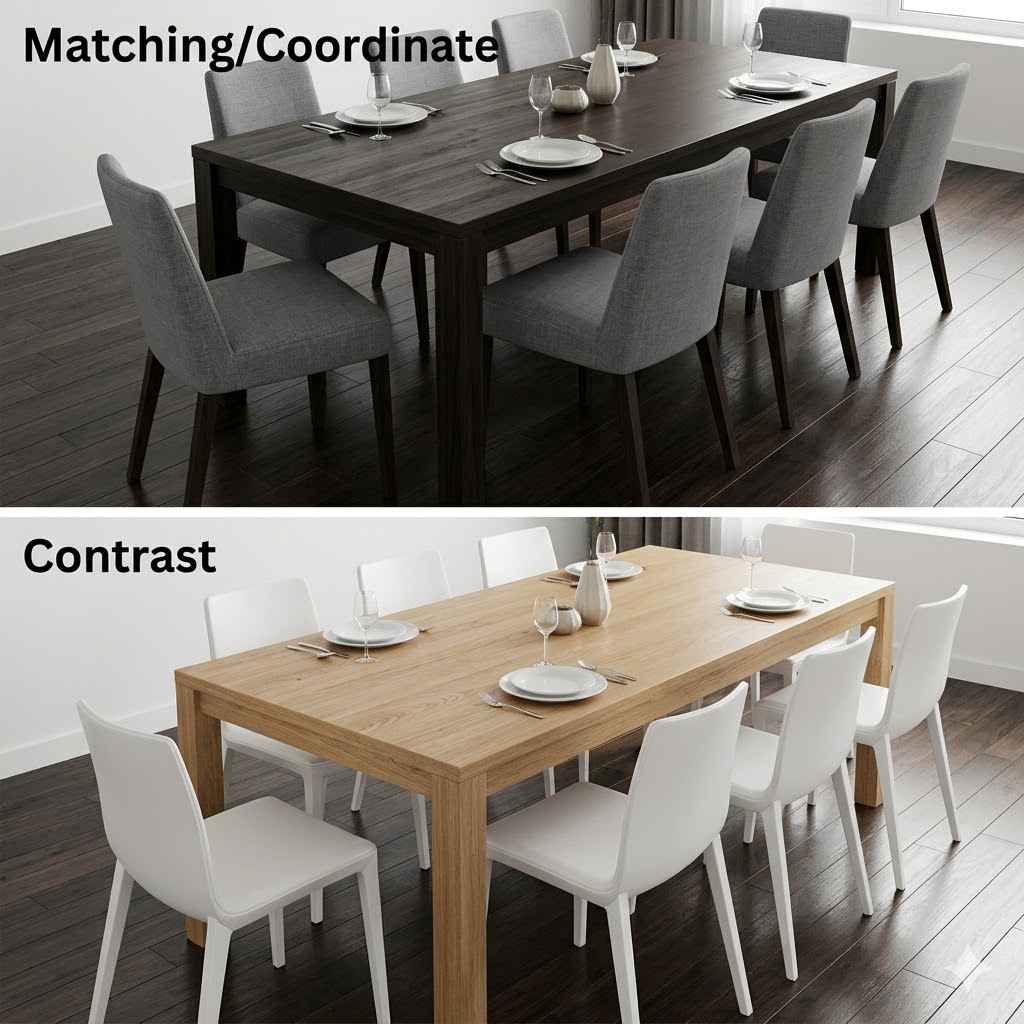
Don’t forget about your other furniture. Your dining chairs are a big part of the overall look. If you have a lighter-colored table, consider chairs that might tie into the dark floors.
This could be chairs with dark wood accents or even chairs with dark upholstery. Conversely, if your table is a darker wood, lighter-colored chairs can create a nice contrast.
Consider your wall color and any artwork you have. These elements should all work together. A light wall color can make a big difference in a room with dark floors.
It helps to reflect light and prevent the space from feeling too enclosed. Artwork can introduce colors that you might want to echo in your table runner or chair cushions.
Quick Tips for Brightening Up
Tip: Lighting
Action: Install a statement chandelier or pendant light. Add wall sconces.
Tip: Mirrors
Action: Hang a large mirror to reflect light and create a sense of space.
Tip: Wall Color
Action: Use lighter paint colors (whites, creams, soft grays) on walls.
Tip: Textiles
Action: Use light-colored tablecloths, runners, or placemats.
When is a Table Too Dark?
This is a question I get asked a lot. It’s easy to go too dark. If your dining table is a very dark wood, and your floors are also very dark wood, the table can become visually lost.
It can make the room feel smaller and darker than it is. This isn’t necessarily a bad thing if you’re going for a very moody, den-like feel. But for most people, it leads to a dining space that feels a bit dim and uninspired.
A good rule of thumb is to aim for a noticeable contrast. If you hold up a sample of your table wood next to your floor, you should see a clear difference. If they look almost the same, your table might be too dark.
This also applies to painted finishes. A very dark, almost black table can sometimes blend in too much with very dark floors. It depends on the undertones and the finish.
Signs Your Table Might Be Too Dark
One sign is that the table doesn’t feel like a focal point. It just seems to sink into the floor. Another is if the room feels unusually dim, even with good lighting.
You might also find that your chairs, no matter their color, don’t stand out. They just blend into the overall dark palette. In these cases, a lighter table color or material would likely make a big difference.
Contrast Check: Normal vs. Concerning
Scenario: Table & Floor Match Exactly
Normal For: Very specific monochromatic, moody design. Dark libraries.
Concerning For: Most dining rooms, desire for brightness or separation of elements.
Scenario: Table Slightly Darker Than Floor
Normal For: Subtle, sophisticated look. Can work with good lighting.
Concerning For: Smaller rooms, rooms with limited natural light.
Scenario: Table Noticeably Lighter Than Floor
Normal For: Most homes, creates balance and visual interest.
Concerning For: None, generally a safe and effective choice.
When to Worry (and When Not To)
It’s important to remember that there’s no single “right” answer. What looks good to one person might not appeal to another. Dark wood floors are beautiful.
They offer a wonderful canvas. The idea of choosing a dining table color is about making the space feel right for you.
You don’t need to worry if your current table isn’t a perfect match. Maybe it’s a dark wood table on dark wood floors. If you love the way it looks and the room feels cozy and inviting to you, then it’s perfect.
If you’re looking to buy a new table, then consider these ideas.
The real goal is to create a dining space that feels comfortable and functional. It should be a place where you enjoy spending time. Whether that’s a bright, airy room with a white table or a cozy, intimate space with a dark wood table, it’s about your personal style and comfort.
Don’t let “rules” dictate your design choices if you’re happy with the outcome.
Quick Tips for Choosing Your Table
Here are some practical steps to take when you’re ready to pick out your dining table:
- Get Samples: If you’re buying a table, try to get wood or paint samples. Bring them home. Look at them in your dining room, at different times of day.
- Consider Your Chairs: What color and style are your dining chairs? They need to work with both the table and the floors.
- Think About the Room’s Light: How much natural light does your dining room get? This will influence how dark or light your table can be.
- Measure Your Space: Make sure the table size and shape are appropriate for your room. You need enough space to walk around it easily.
- Visualize the Whole Imagine the table with your existing decor. Think about rugs, curtains, and wall art.
Frequently Asked Questions
What is the best color for a dining table if I have dark espresso floors?
For dark espresso floors, lighter wood tones like maple, birch, or light oak work beautifully. A painted white or cream table also offers a great contrast and brightens the space. Even a soft, matte black can create a sophisticated, modern look if the finish isn’t too glossy.
Should my dining table chairs match my dining table?
They don’t have to match exactly. You can have chairs that complement the table. For example, if you have a light wood table, you could choose chairs with dark wood accents.
Or, if your table is painted, chairs in a coordinating neutral or accent color can look great. The key is to create a cohesive look.
Can I put a dark wood table on dark wood floors?
Yes, you can. However, it’s important to ensure there’s enough contrast. If both the table and floors are very dark, the table might get lost.
Consider a table with a different wood species, a lighter stain, or a painted finish to create visual separation and prevent the room from feeling too dim.
What are some good colors for a dining table if my floors are dark gray wood?
With dark gray wood floors, light to medium grays, whites, creams, and natural wood tones like ash or pale oak are excellent choices. These create contrast and prevent the room from feeling too dark. A touch of subtle color, like a muted sage or dusty blue, can also add personality.
How do I make my dining room with dark floors feel brighter?
To brighten a dining room with dark floors, choose a lighter dining table color. Use light colors for your walls and any rugs. Incorporate mirrors to reflect light.
Ensure you have ample lighting, including a statement overhead fixture and possibly wall sconces or lamps. Light-colored chair cushions also help.
Should the dining table match the undertone of my dark wood floors?
Not necessarily. While matching undertones can create a harmonious look, a contrast in undertones often creates more visual interest. For example, a cooler-toned dark floor could pair well with a slightly warmer, lighter wood table, or vice versa.
The overall color and material are more important than an exact undertone match.
Putting It All Together
Choosing a dining table color to go with dark wood floors is about creating a balance. It’s about using contrast and harmony to make your dining space feel just right. You have so many wonderful options, from natural wood tones and painted finishes to different materials altogether.
Think about the light in your room and the overall style you want to achieve. With a little planning, you can find a table that truly shines against your beautiful dark floors.
Sponsored / affiliate links. As an Amazon Associate I earn from qualifying purchases. I may earn additional commission from eligible campaigns.