Why Is Only One Room Cold When the Furnace Is Running?
One cold room usually points to a blocked register or return, duct loss, room heat loss, or a furnace airflow or safety problem. Start by checking airflow at the supply grille and filter, then compare the cold room with the rest of the house. Ignoring it can waste heat, strain the furnace, and leave the room uncomfortable all winter. This guide gives a fast decision path to narrow the cause and decide what you can fix yourself versus when to call a pro.
Cold-room diagnosis table

- Maintains furnace efficiency by trapping particles
- Captures lint, dust, and pollen
- Easy installation and durable construction
Use the table as a sorting tool, not a guess list. If the symptom points to one room only, start with the room itself. If several rooms act up, move toward whole-system airflow and furnace checks.
| Symptom | Likely cause | Safe homeowner check | Next step | DIY-safe or HVAC service |
|---|---|---|---|---|
| One room is cold, but other rooms feel normal | Blocked supply register, weak return path, duct loss, or room heat loss | Confirm the supply register is open and not covered by furniture, rugs, curtains, or bedding. Check the return grille for blockage. | Move obstruction, then compare temperature again after a heating cycle | DIY-safe |
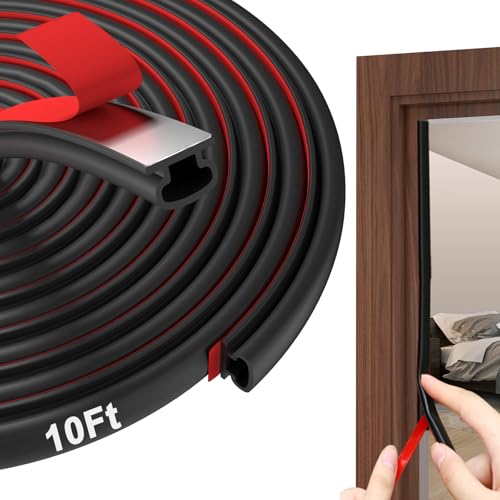
| Air comes from the vent, but the room still stays cold | Room heat loss from drafts, poor insulation, or air leakage | Feel for drafts at windows, doors, outlets, baseboards, attic hatches, and floor edges | Seal obvious leaks with weather stripping or caulk; plan insulation work if the room is on an exterior wall, ceiling, or floor | DIY-safe for small leaks; HVAC or contractor for larger envelope work |
| Several rooms are weak, but the furnace is running | Dirty filter, closed vents, duct restriction, or system airflow problem | Check the filter size and condition, then confirm too many vents are not closed | Replace the filter if dirty; if airflow stays weak, schedule service | DIY-safe first; HVAC service if weakness remains |
| Cold air blows from vents after the furnace starts, then warm air returns later or never arrives | Burners may be off while the blower keeps running because a limit switch shut the furnace down | Look for repeated short cycles, unusual runtime, or a blower that keeps moving air with little heat | Replace the filter if clogged; if the pattern repeats, stop guessing and call for service | HVAC service |
| One end room, bedroom, or addition stays colder than the rest | Long duct run, duct leak, disconnected section, or poor balancing | Check the supply run path if accessible. Look for duct in an attic, crawlspace, or garage, and inspect for kinks or loose joints | Have ducts sealed, repaired, or balanced if the room still lags behind | DIY-safe for visual checks; HVAC service for repairs |
| Room is colder near windows, exterior walls, or a garage ceiling | Drafts, poor insulation, or high heat loss through the envelope | Check weather stripping, caulking, and obvious cold spots along the wall or floor | Seal leaks and add insulation where practical; consider a contractor for attic or wall work | DIY-safe for minor sealing; contractor or HVAC for larger work |
The table separates three very different problems. A blocked register or return limits room airflow. A leaky or badly routed duct loses heat or pressure before air reaches the room. A drafty room loses heat after the warm air gets there.
Why is only one room cold when the furnace is running?
One room usually turns cold because the problem is local, not whole-house. The room may not be getting enough supply air, it may be losing heat too fast, or the furnace may be moving air poorly after a safety shutdown. The fastest path is to check the register, return grille, filter, and thermostat settings first, then move to ducts and the room envelope.
Start with the simple controls
Set the thermostat to Heat, not Cool. Keep the fan on Auto unless you have a specific reason to run it On. If the fan is set to On, air may move through the ducts even when the burners are off, which can make a cold room feel even colder.
Then inspect the supply register in the cold room. It should be open and clear. A sofa, bed skirt, curtain, rug, or pile of bedding can cut room-by-room airflow enough to make one space lag behind the rest of the house.
Check the return path too
Return grilles need clear space so air can get back to the furnace. A closed bedroom door can reduce return airflow, especially if the room has a weak transfer path under the door or no dedicated return. That can leave the room with supply air going in and too little air getting out.
Suppose a bedroom has an open supply vent, a closed door, and a return grille in the hallway. The room can still run cold because the supply air cannot circulate well. Opening the door or improving the return path often changes the result faster than touching the thermostat.
Why a room can stay cold even with heat at the vent
Warm air at the grille does not necessarily mean the walls, floors, and windows are warm. If the room leaks heat faster than the supply can replace it, the temperature stays low. That happens often in end rooms, over-garage rooms, and additions with more exposed surface area or weaker insulation.
Could ductwork be causing one room to stay cold?
Yes. Duct problems can affect one room first, especially if that room sits at the end of the run. ENERGY STAR notes that about 20 to 30 percent of duct airflow can be lost in a typical house, and rooms that are difficult to heat and cool are a sign of poorly performing ducts. Ducts in attics, crawlspaces, or garages are also a common problem area.
What to look for on accessible ducts
Check for obvious gaps, loose tape, disconnected joints, or flex duct that is kinked or tangled. The same source lists tangled or kinked flexible ducts as a sign of poor duct performance. A long run with extra bends can also reduce delivery to the room even when the furnace itself is working.
Air may cool before it reaches the room if the duct runs through an attic, crawlspace, or garage. Those spaces are less protected, so the duct can lose heat on the way to the register. A room at the far end of the branch often feels this first.
End rooms and additions need extra attention
Bedrooms at the end of a trunk line, rooms over garages, and later additions often run colder because their duct paths are longer or less direct. That does not always mean the furnace is undersized. It may mean the run is leaking, badly connected, or simply harder to balance than the rest of the system.
A common first-timer mistake is closing several other vents to “push” more heat into the cold room. That increases resistance in the duct system and can worsen distribution elsewhere. It can also raise system static pressure, which makes airflow balance worse instead of better.
Could the filter or blower be limiting airflow?
Yes. A dirty furnace filter can restrict airflow through the whole system, not just one room. The same source says improper filter maintenance is the most common cause of inadequate heating or cooling performance. If airflow is weak everywhere, or if the furnace starts acting oddly, the filter belongs near the top of the list.
Why a dirty filter can create a cold room
When airflow is restricted, the furnace may overheat. The limit switch can shut the burners off to protect the equipment while the blower keeps running. That failure mode can leave cool air blowing from the vents, or warm air for a short time followed by air that no longer feels heated.
This is not the same as a room-specific duct problem. A clogged filter affects the whole system, so the symptom often shows up as several weak rooms, short cycling, or strange temperature swings rather than one isolated register issue.
What to check before calling service
- Confirm the filter size matches the manufacturer’s recommendation.
- Check whether the filter is dirty, bowed, or packed with dust.
- Make sure the filter is installed in the correct direction.
- Look for repeated burner shutdowns, long blower-only runs, or weak airflow at several registers.
If the furnace keeps blowing but the air is not warming as expected, stop treating it as a room problem. That pattern points to a furnace-wide airflow or safety issue, and it needs service if a clean filter does not fix it.
Is the room losing heat faster than the others?

Sometimes the furnace is delivering heat normally, but the room cannot hold onto it. The same source says some rooms may be too hot or too cold because of improper equipment operation, duct problems, or inadequate insulation. If the supply air seems normal and the room still reads cold, the envelope deserves a close look.
Drafts are the fastest thing to check
Look for cold air around windows, exterior doors, baseboards, outlets, and floor edges. Weather stripping on doors and caulking around windows are simple fixes. ENERGY STAR also notes that sealing air leaks and adding insulation can provide up to 10% savings on annual energy bills.
If the room has cold floors or a noticeable draft, small air leaks may be doing more damage than the register. Sealing gaps will not fix a disconnected duct, but it can cut heat loss enough to make the room respond better to the furnace.
Insulation matters most on exterior surfaces
Heat loss rises when the room has thin insulation in walls, ceilings, or floors. Bigger envelope jobs include sealing leaks and adding insulation in the attic. If the room sits under a cold attic or over an unconditioned space, heat can disappear faster than the furnace can replace it.
Picture a bedroom over a garage with a normal supply vent and a clean filter. If the floor feels cold and the exterior wall stays chilly, the issue may be heat loss through the floor or wall rather than the duct itself. In that case, sealing and insulation can matter more than vent adjustments.
Why balancing matters, but vent closing is not the fix
Air balancing can be uneven across rooms, especially in homes with long duct branches. Closing too many vents adds resistance and can throw off the system. If you are trying to steer more heat into one room, the safer move is to clear blocked grilles and inspect duct balance, not to shut down other rooms.
When should I call an HVAC technician for one cold room?
Call for service if the problem points beyond a blocked vent or a dirty filter. Multiple cold rooms, weak airflow everywhere, repeated burner shutdowns, or a blower that runs with little heat all suggest a furnace-wide issue. Duct repairs are also a good reason to bring in a technician when the branch is hidden or hard to reach.
Signs the issue is bigger than one room
If several rooms are colder than normal, the cause is less likely to be a single register. If the furnace cycles oddly, the burners shut off early, or the air feels weak at many vents, the system may have a filter, airflow, or limit-switch problem. That is different from a single drafty bedroom.
Goodman installation requirements include sealed return air ducts to the furnace, and if supply ducts serve other spaces, the return air duct must terminate in the same space as the supply. When return air paths are poor or incomplete, the furnace can struggle to move air correctly through the home.
Frequently asked questions
Can a dirty furnace filter make one room colder than the others?
Yes. A dirty filter can restrict airflow through the whole system, which may leave the furthest or weakest room feeling colder first. In some cases, restricted airflow can overheat the furnace and trigger the limit switch, so the blower keeps running while the burners shut off.
Why is my bedroom colder than the rest of the house?
Bedrooms often sit at the end of a duct run, have closed doors that weaken return airflow, or sit against exterior walls that lose heat faster. Check whether the supply vent is open and clear, the return path is unobstructed, and the room has drafts around windows, doors, or floors.
How do I tell if a cold room is an airflow problem or insulation problem?
If the room gets little air at the vent, the issue is likely airflow. If the vent feels warm but the room still stays cold, drafts, poor insulation, or air leakage are more likely. Compare the room to nearby rooms, then check the register, return grille, and visible leak points.
Should I close other vents to force heat into one room?
No. Closing many vents increases resistance and can worsen system balance. It may also raise static pressure and reduce overall airflow. A better first step is to clear the cold room’s supply and return paths, inspect the filter, and look for duct or envelope problems that explain the imbalance.
Sponsored / affiliate links. As an Amazon Associate I earn from qualifying purchases. I may earn additional commission from eligible campaigns.