Why Does Snow Melt Faster on Some Parts of My Roof?
Uneven snowmelt is normal on sunlit roof sections. But if a warm stripe appears along the ridge, eaves, or over heated rooms, suspect heat loss and check for ice-dam risk. If you ignore that pattern, meltwater can refreeze at the eaves and push water under shingles and into the house. This guide shows how to tell sun-driven melting from roof-design and insulation problems, and when to monitor, inspect, or fix them.
Why roof snow melts unevenly
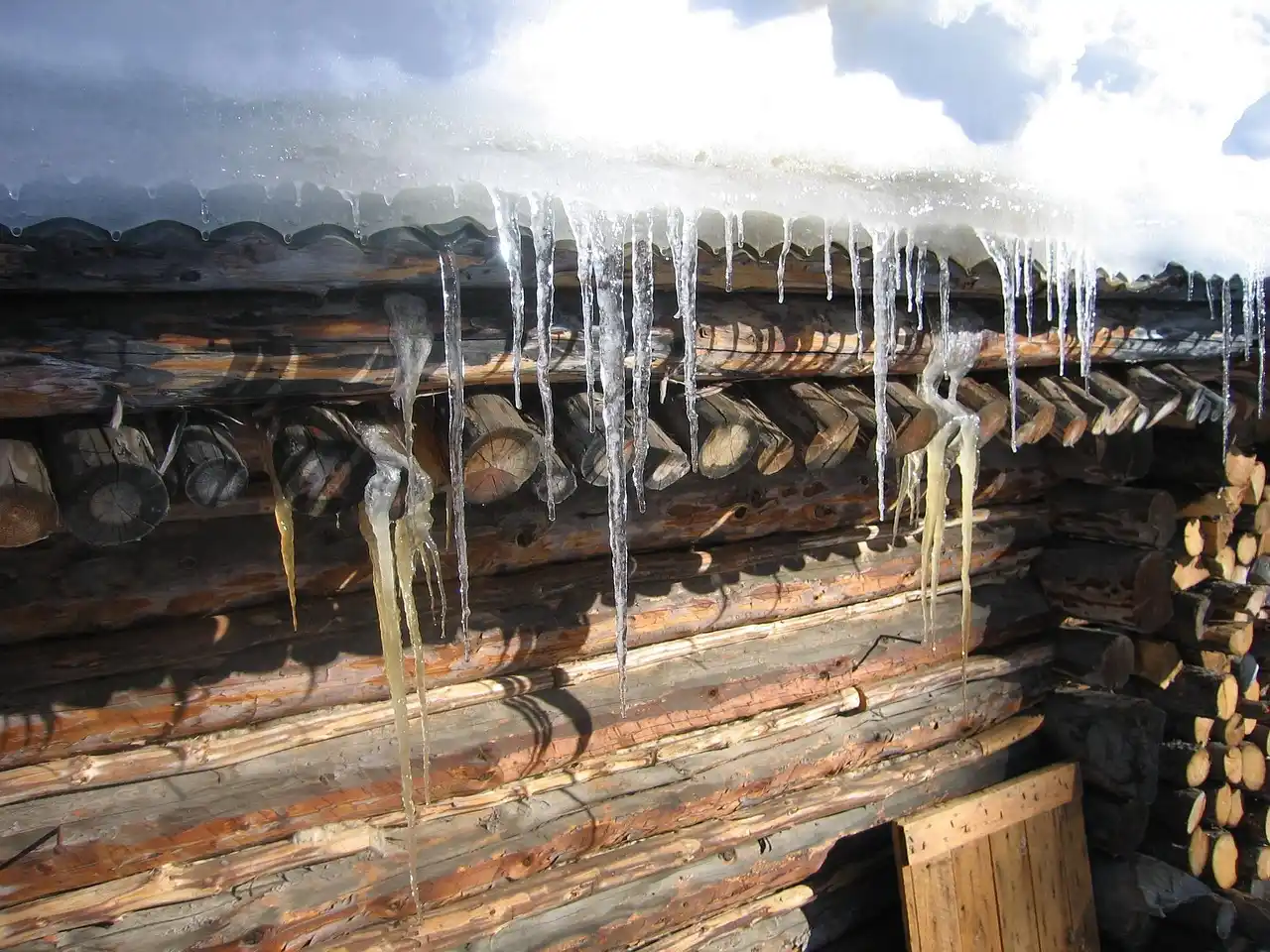


Snow does not leave a roof at one even pace. Sun, shade, roof shape, and heat escaping from the attic all change the roof temperature from one area to the next. That is why one slope can stay white while another goes bare, and why the pattern matters.
Sun, shade, and roof orientation
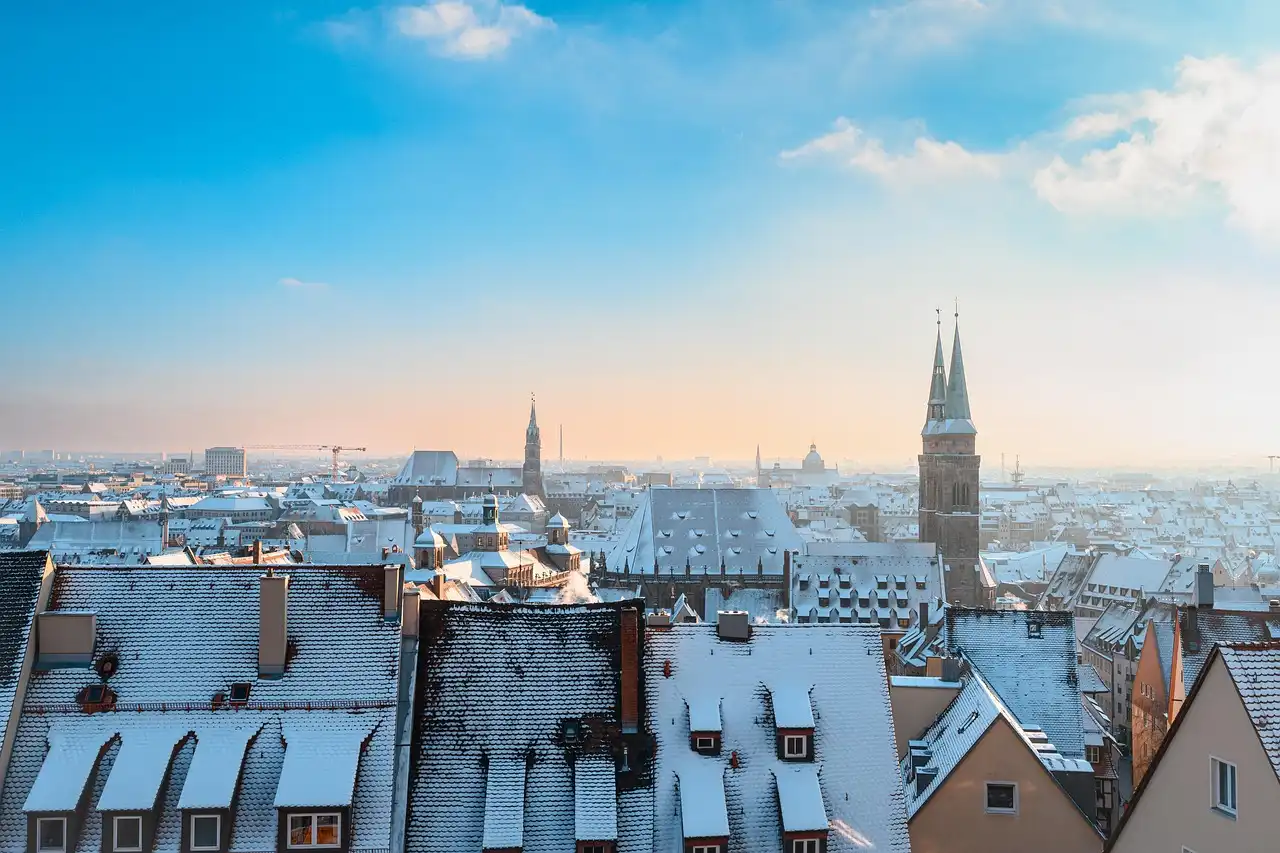
South-facing and west-facing roof planes often get more direct sun, so they can melt faster than shaded slopes without signaling a defect. Tree cover, nearby buildings, chimneys, and dormers can create sharp boundaries where one strip melts and the next stays loaded with snow.
Heat loss from the attic
Warm stripes near the ridge or over a heated room often point to attic heat loss. Insulation gaps, air leaks around fixtures, and unsealed bypasses let warm air reach the roof deck, which raises the roof surface temperature locally and can start uneven melt patterns.
Roof shape and drainage paths
Valleys, dormers, low-pitch sections, and complex roof lines change where snow and meltwater move. Roof valleys tend to collect more snow and runoff than open roof planes, so they are often used as heat-cable placement areas. The shape of the roof can make the pattern look uneven even when the attic is well sealed.
When uneven melt points to an ice dam
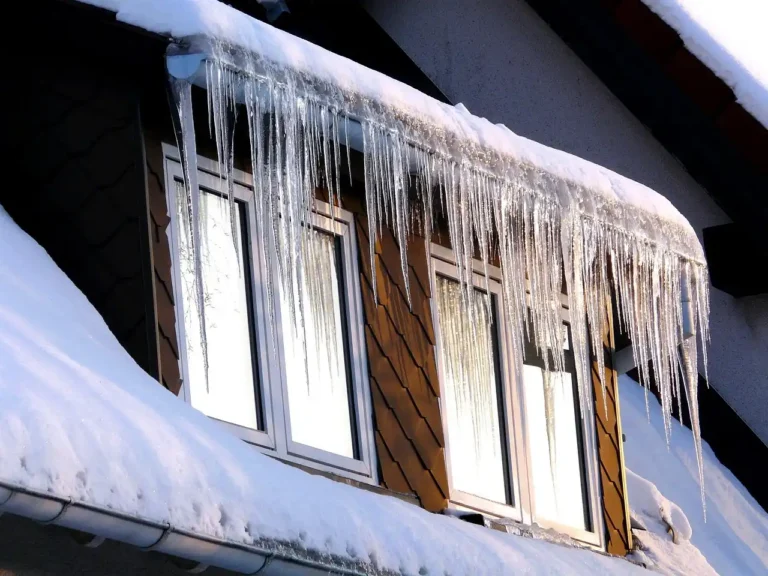
Uneven melt becomes a problem when water runs to a colder edge and freezes there. Ice dams form when meltwater refreezes at cold roof edges, especially near eaves and in gutters. That frozen ridge can back water up under shingles, which is why the pattern deserves attention before leaks start.
Why eaves and gutters freeze first
Eaves are often a colder roof edge, so they are commonly one of the first places where refreezing appears. Gutters often sit there too, which makes the area vulnerable to ice buildup. If meltwater cannot drain away, it freezes at the edge and sets up an ice dam.
Signs the pattern needs action
Watch for a few specific signs: repeated bare strips over one room, thick ice at the eaves, icicles hanging from gutters, or water stains inside after a thaw. Those patterns suggest more than simple sun exposure. They point to drainage trouble, heat loss, or both.
Say your 2-story home has a 6-foot warm stripe near the ridge above a bedroom while the rest of the roof stays snow-covered. That stripe is more suspicious than a sunny south slope that melts first after a clear day, because it lines up with a heated interior zone.
Roof snowmelt checklist
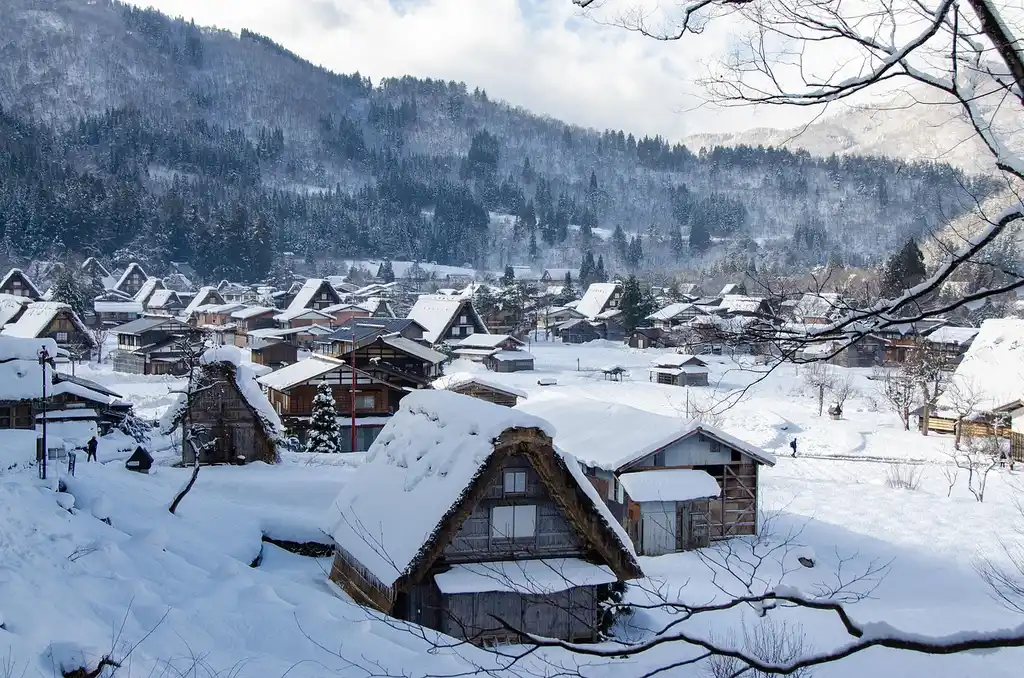
Use this checklist to sort normal melt from a problem that needs attention. Start outside, then check the attic, then decide whether to monitor, fix now, or bring in a pro for layout help.
| Pattern seen | Most likely cause | Next step |
|---|---|---|
| South-facing sunlight | Direct sun and warmer exposure | Monitor if the melt matches sun and shade, especially after clear days |
| Attic heat loss | Insulation gaps or air leaks warming the roof deck | Inspect the attic for bypasses, thin insulation, and moisture signs |
| Valley hot spots | Snow, runoff, and roof geometry collecting heat and water | Check drainage and consider valley-specific deicing layout |
| Dormer melt lines | Roof transitions, warm walls, and shading changes | Inspect the dormer intersections and flashing area |
| Gutter refreezing | Water reaching a cold edge and freezing again | Treat as an ice-dam warning and clear drainage paths |
| Isolated bare patches | Localized heat loss or a warm roof deck area | Check indoors above the spot and look for air leaks |
- Match the melt pattern to the sun. If it only appears on a south- or west-facing slope, it may be normal.
- Look for edge ice. If freezing starts at the eaves or in gutters, treat it as a drainage warning.
- Check the attic above the warm area for insulation gaps, air leaks, and damp wood.
- Watch valleys, dormers, and low-pitch sections closely. Those areas often need targeted drainage help.
- Decide: normal if the pattern follows sun and shade, monitor if it is new or growing, fix now if ice or leaks are forming.
Can sunlight make one side melt faster?
Yes. Sun exposure can warm one side of the roof much faster than another, especially on south-facing and west-facing slopes. That kind of uneven melt is often harmless if it tracks with orientation and shading. The key is whether the pattern matches the sun or ignores it.
Shading from trees, chimneys, and dormers
Shaded sections stay colder longer. A chimney can cast a narrow shadow, a tree can cool a broad area, and a dormer can create both shade and a transition in roof temperature. Those features can make one patch melt slowly while the next patch clears first.
Harmless melt versus warning signs
Sun-driven melting usually follows a predictable shape and appears on exposed slopes first. Warning signs include a warm strip that lines up with the ridge, a roof plane over a heated room, or refreezing at the eaves. Those patterns deserve an attic check, not just observation from the ground.
Suppose a west-facing garage roof clears by midday while the shaded north slope stays white. That difference is normal. If the same garage shows a warm bare patch above the wall line every storm, that points more toward heat loss than sunlight.
How attic heat loss changes melt patterns
Attic heat loss can turn a roof deck into a patchwork of warm and cold spots. The usual causes are insulation gaps, air leaks, and bypasses around fixtures, chases, and penetrations. Those warm areas can create uneven snowmelt long before the whole roof feels any warmer.
What to inspect indoors
Start in the attic above the problem area. Look for thin insulation, open gaps around recessed lights or bath fans, open wiring holes, and visible moisture on wood or sheathing. These are common paths for warm air to reach the roof deck and start local melting.
Moisture signs matter
Darkened wood, damp insulation, rust on fasteners, or a musty smell can point to roof heat loss and ventilation trouble. Those signs matter because they often show up before leaks are visible in the living space. If you find them, treat the melt pattern as a real roof problem.
Why valleys, eaves, and dormers melt first
Roof valleys collect more snow and runoff, so they often warm and clear faster than open roof planes. Eaves are the cold edge where refreezing starts. Dormers create transitions in slope, wall temperature, and shade, which often produces a visible melt line around the opening.
Valleys collect more snow and runoff
A valley funnels water and snow from two roof planes into one line. That concentration makes the area a common place for roof and gutter heat tape. It also means small drainage problems show up there early, before they spread across the rest of the roof.
Dormer transitions create melt lines
Dormers change both the roof angle and the wall connection. Warm wall surfaces, flashing details, and shifting shade can produce a distinct line where snow disappears faster on one side of the dormer than the other. That pattern is common and worth checking, not ignoring.
How roof heat cables fit the fix
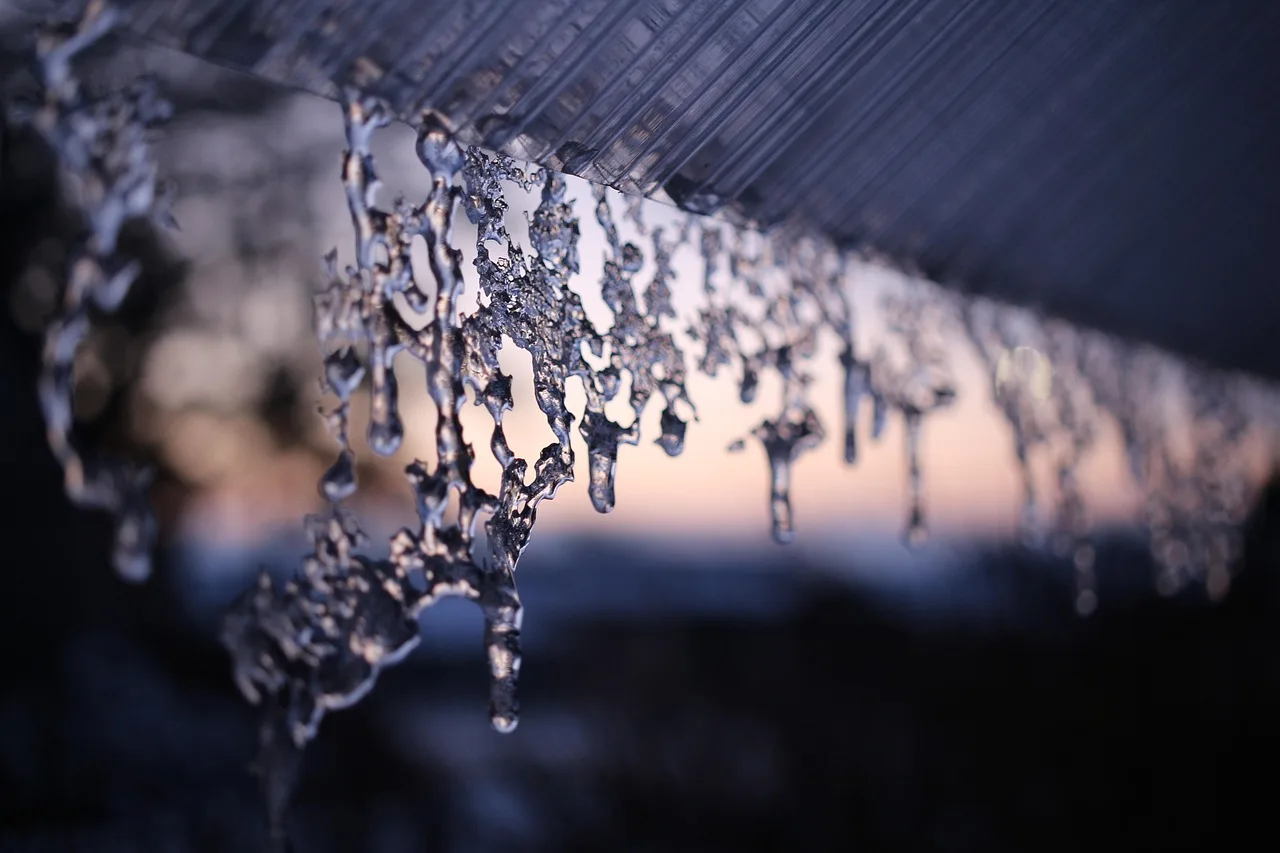
Roof and gutter heat tape is a deicing system used to maintain drainage paths for meltwater. It does not replace insulation or air sealing. It helps keep valleys, eaves, and gutters open so meltwater can move off the roof before it refreezes.
Where heat tape belongs
Heat cables are commonly used in valleys, dormers, and low-pitch areas, and they are often installed in eaves and gutters where ice dams start. The goal is simple: keep a path open for meltwater. That is why they are usually part of a broader ice-dam plan, not the whole answer.
Manual controls versus automatic controls
Snow melting controls can be manual or automatic. Manual controls require user activation. Automatic controls can use a moisture sensor to detect wet conditions and decide when to run. Some systems also include digital readouts and optional WiFi for remote control and home automation integrations.
Roof material and pitch matter
Roof material affects cable strategy. Slate roofs are a named application, and low-pitch areas often need special attention because water drains more slowly there. A layout that works on one roof type may not fit another, so approved products and installation instructions matter.
Heat cables can help prevent ice dams before they form, but only when the problem area is identified correctly. That is why sizing and placement matter more than buying the longest cable available. A quote from an experienced installer can help match the layout to the roof geometry.
Frequently asked questions
Why does snow melt faster on one part of my roof?
One part of the roof may get more sun, sit over a warm attic area, or lie in a valley or low-pitch section that drains differently. The pattern matters. Sun-driven melt can be normal, while a warm stripe near the ridge or eaves can point to heat loss.
Is uneven roof snowmelt a sign of heat loss?
Sometimes. Uneven melt is a warning when it appears above heated rooms, repeats in the same location, or shows up as a warm stripe near the ridge. If the pattern follows sun exposure instead, it may be harmless. The attic and edge areas help separate the two.
How do attic leaks affect snow melting on a roof?
Attic air leaks let warm air reach the roof deck and raise its temperature in small zones. That creates bare patches, melt lines, or warm areas above specific rooms. It also raises ice-dam risk at the eaves when the meltwater runs down and refreezes at the cold edge.
Why do valleys and eaves melt snow first?
Valleys gather runoff from two roof planes, so they often warm and clear faster. Eaves are the cold edge, so they are where refreezing usually starts. That combination makes both places common ice-dam zones, which is why they often get roof and gutter heat tape.
Can roof shape make snow melt unevenly?
Yes. Roof geometry changes how snow piles up, how water drains, and where shade falls. Dormers, valleys, and low-pitch sections can all create melt lines. A complex roof is not automatically a problem, but it does change where you should inspect first.
How do roof heat cables help melt snow?
They keep drainage paths open for meltwater so water can reach the ground instead of freezing at the eaves or in gutters. Heat cables are often used in valleys, dormers, and low-pitch areas. Automatic controls can use moisture sensors; manual systems need user activation.
How can I stop snow from melting unevenly on my roof?
Start with the cause, not the cable. Check attic insulation and air leaks, then look at valley, eave, and dormer details. If drainage is the issue, roof and gutter heat tape can help. For layout and sizing, contact a pro or get a quote before installing anything.
Sponsored / affiliate links. As an Amazon Associate I earn from qualifying purchases. I may earn additional commission from eligible campaigns.
 Wheeled Roof Snow Remover Rake, Roof Snow Rake Extendable Pole Kit, 4 Extension Poles, Metal Braces + Adapter Included, Remove Snow from Roof Safely from The Ground
 Extendable Roof Snow Rake for Snow Removal, Telescopic Handle Up to 236 Inch Reach, Reinforced 3-Point Connection, Thickened Hardware, Anti-Slip Lock Grip, Snow Remover for Roof