How Much Generator to Heat 750 Sq Ft Space
Choosing the right generator size for heating a 750 sq ft space is crucial for comfort and safety, especially during power outages.
This post will guide you through the essential calculations and considerations to ensure your generator can reliably power your heating system for your specific needs.
Simply put, you’ll likely need a generator with at least 5,000 to 7,500 running watts to comfortably heat a 750 sq ft space, depending on the heating method used. This range accounts for the typical power draw of electric heaters, furnaces, and portable AC units often used for supplemental heating, plus a buffer for other essential appliances. Always check the specific wattage requirements of your heating system and any other devices you plan to run simultaneously to make the most accurate decision.
Key Takeaways
- Generator sizing for heating a 750 sq ft space depends heavily on the type of heating appliance and its starting vs. running wattage.
- Electric resistance heaters and furnaces generally require higher wattage than heat pumps or propane heaters.
- Always factor in the wattage of other essential appliances you’ll be running alongside your heater.
- A generator with 5,000 to 7,500 running watts is a common recommendation for this space size, but checking appliance labels is vital.
- Consider the long-term and peak power demands to avoid overloading the generator.
What is Generator Sizing for Heating?
Generator sizing for heating involves determining the total electrical power required to operate your chosen heating system and any other essential appliances simultaneously. This calculation ensures that the generator can provide a stable and sufficient power supply without becoming overloaded, which could lead to damage to the generator or the appliances it powers.
Understanding the difference between running watts and starting (surge) watts is paramount. Running watts are the continuous power output a generator can sustain. Starting watts are the higher surge of power needed for a brief moment when certain appliances, like those with electric motors (furnaces, refrigerators), first turn on.
Your generator must meet both requirements.
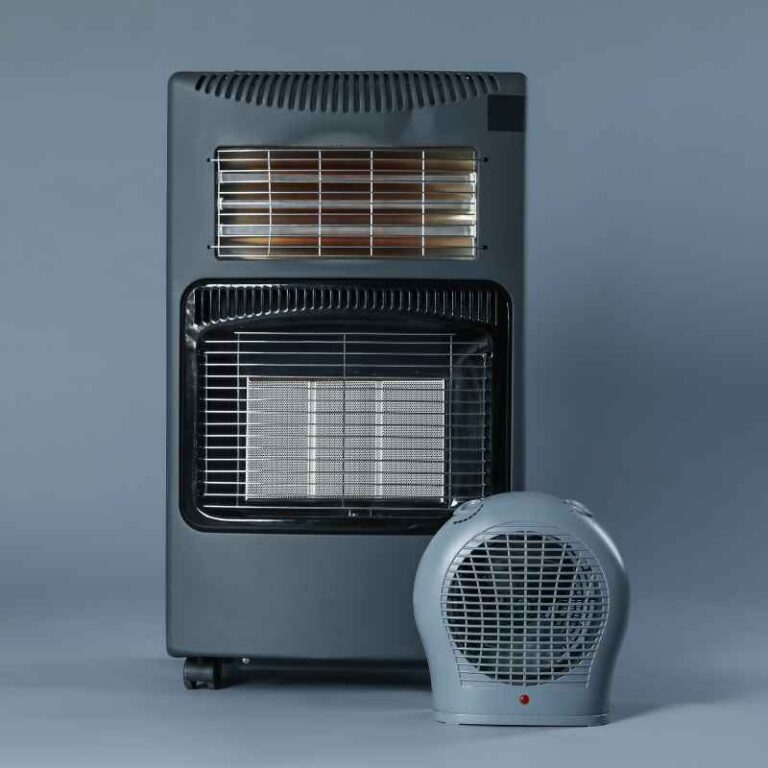
For a 750 sq ft space, the primary concern is the heating appliance. Common heating sources include electric resistance heaters, propane or natural gas furnaces (which still use electricity for fans and ignition), electric baseboard heaters, and sometimes even portable electric heaters used as supplemental heat. Each has a distinct power consumption profile.
- Electric Resistance Heaters: These are power-hungry. A single 1500-watt portable heater can consume a significant portion of a smaller generator’s capacity.
- Furnaces (Gas/Propane): While the fuel source is gas, the fan, igniter, and thermostat all require electricity. A typical furnace might need 500-800 running watts and potentially 1000-1500 starting watts.
- Electric Baseboard Heaters: Similar to resistance heaters, these draw considerable power, often ranging from 500 to 2000 watts per unit.
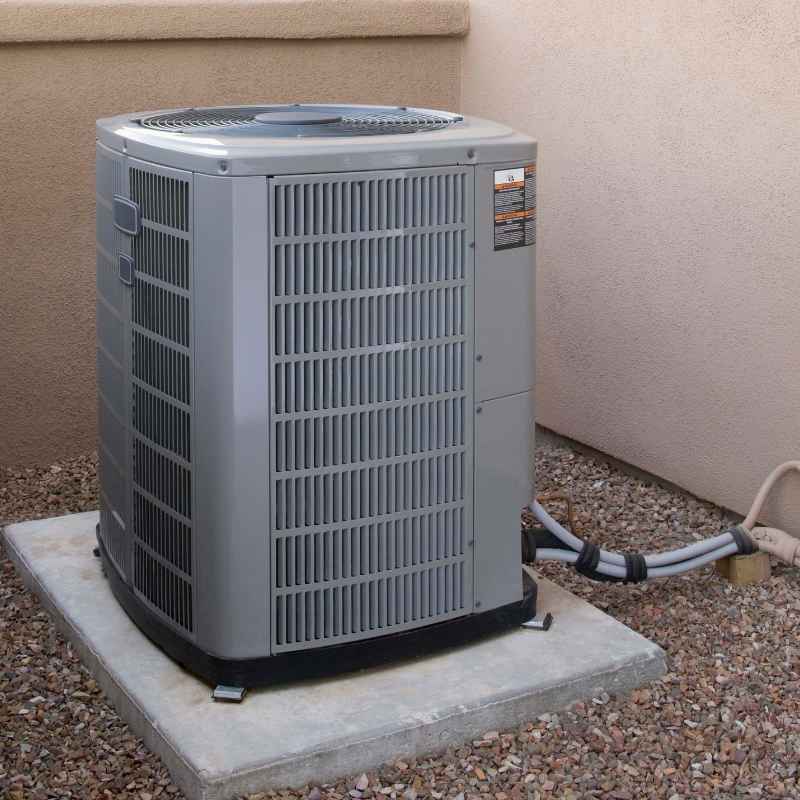
- Heat Pumps: These are more energy-efficient but still require electricity for the compressor and fan, typically needing 1000-2000 running watts and higher starting watts.
The goal is to match or exceed the highest wattage requirement (either running or starting) of all the appliances that will be powered at the same time. For a 750 sq ft space, this typically means prioritizing the heater and then adding the wattage for other essentials like a refrigerator, lights, and a phone charger.
Calculating Wattage for Your Heating System
The first step is to identify the specific heating appliance you intend to use for your 750 sq ft space. Most heating appliances will have a label specifying their power consumption. This label usually lists the voltage, amperage, and wattage.
If only voltage and amperage are provided, you can calculate the wattage using the formula: Watts = Volts × Amps.
For example, if your electric heater is rated at 120 volts and 12.5 amps, its running wattage is 120V × 12.5A = 1500 watts. If it’s a 240-volt heater drawing 15 amps, it would be 240V × 15A = 3600 watts.
| Heating Appliance Type | Typical Running Watts | Typical Starting Watts | Notes |
|---|---|---|---|
| 1500W Electric Space Heater | 1500W | 1500W | No motor, so starting watts = running watts. |
| Gas Furnace (Fan & Ignition) | 500 – 800W | 1000 – 1500W | Requires electricity for fan and controls. |
| Electric Baseboard Heater (per unit) | 500 – 2000W | 500 – 2000W | Higher wattage for larger rooms or colder climates. |
| Portable Propane Heater (Electric Fan) | 50 – 100W | 100 – 200W | Fuel is propane, but fan needs power. |
This table provides typical figures. Always check your specific appliance labels for exact wattage requirements.
It’s crucial to consider the thermostat. If your heating system cycles on and off automatically, the generator must be able to handle the frequent starting watts of the motor or fan each time it activates. For a 750 sq ft space, you might have multiple baseboard heaters or a central furnace, so you need to sum the wattage of all components that will run concurrently.
For instance, heating a 750 sq ft area might involve one 1500W electric heater, or it might involve a gas furnace requiring 700 running watts and 1200 starting watts. The latter is significantly less demanding on the generator than multiple high-wattage electric heaters.
Other Essential Appliances to Consider
While heating is the priority, a generator needs to power more than just the heater. You’ll likely want to run other essential appliances to maintain a basic level of comfort and safety. This includes refrigeration, lighting, communication devices, and possibly medical equipment.
A standard refrigerator-and-freezer combination typically draws around 150-200 running watts but can surge to 600-800 watts when the compressor kicks in. LED lights use very little power, often just 5-10 watts per bulb. Charging a smartphone might take about 10-20 watts.
Important: If you rely on any critical medical equipment, such as an oxygen concentrator or CPAP machine, their specific wattage requirements MUST be your top priority and can significantly influence your generator choice. Consult the device manufacturer for exact figures.
To calculate your total power needs, create a list of all devices you expect to run simultaneously with your heating system. Add up their running watts, and then identify the appliance with the highest starting wattage. The generator’s peak (surge) wattage must be higher than this highest starting wattage, and its running wattage must be higher than the sum of all running watts.
- List all appliances to be powered.
- Find the running wattage for each appliance.
- Find the starting (surge) wattage for each appliance with a motor.
- Sum the running watts of all appliances.
- Identify the highest starting wattage among all appliances.
- Generator Running Wattage Needed: Sum of all running watts + buffer.
- Generator Starting Wattage Needed: Highest starting wattage + buffer.
A good rule of thumb is to add a buffer of at least 10-20% to your calculated total running and starting watts to ensure the generator isn’t running at its absolute maximum capacity continuously, which can shorten its lifespan and increase the risk of failure.
Recommended Generator Sizes for 750 Sq Ft Heating
Based on common heating scenarios for a 750 sq ft space, we can establish some general generator size recommendations. These are estimates, and actual needs can vary significantly.
If your primary heating method is a 1500W electric space heater, you’re already at the lower end of what many portable generators offer for continuous power. Adding a refrigerator (approx. 700W surge) and some lights (approx.
50W) brings your total surge requirement to around 2250W. In this case, a generator with at least 2500-3000 running watts and 3000-3500 starting watts would suffice.
Warning: Trying to power multiple high-wattage electric heaters (e.g., two 1500W heaters) with a generator below 5000 running watts is a recipe for disaster. It will likely trip breakers or damage the generator and heaters.
For a more common scenario involving a gas furnace with its fan and controls, you’ll need to account for its electrical load. A furnace might use 700 running watts and 1200 starting watts. If you add a refrigerator (700W surge) and basic lighting (50W), your highest surge would be 1200W (furnace).
Your total running watts would be roughly 700W (furnace) + 200W (fridge) + 50W (lights) = 950W. To accommodate the surge and add a buffer, a generator with at least 2500-3000 running watts and 3000-3500 starting watts would be suitable.
However, many people in a 750 sq ft space might use a more robust heating solution or want more appliances powered. If you’re using electric baseboard heaters or a more power-hungry system, or if you want to run more than just the bare essentials (like a microwave, coffee maker, or a small TV), you should aim higher. A generator in the 5,000 to 7,500 running watt range offers much more flexibility.
This size can typically handle a central furnace, a refrigerator, multiple lights, charging devices, and even a small electric appliance or two simultaneously.
| Scenario | Heating Type | Other Essentials (Fridge, Lights, Charging) | Approx. Total Running Watts | Approx. Highest Starting Watts | Recommended Generator Running Watts | Recommended Generator Starting Watts |
|---|---|---|---|---|---|---|
| Minimal Heating | 1500W Electric Space Heater | Fridge (700W surge), Lights (50W) | 1550W | 2250W | 2500 – 3000W | 3000 – 3500W |
| Standard Heating | Gas Furnace (700W run / 1200W start) | Fridge (700W surge), Lights (50W), Charging (20W) | 970W | 1200W | 2500 – 3500W | 3500 – 4500W |
| Comfort Heating | Electric Baseboard (2000W) | Fridge (700W surge), Lights (100W), TV (100W), Charging (40W) | 2940W | 2800W | 5000 – 6000W | 6000 – 7000W |
| Max Comfort & More | Gas Furnace + supplemental electric (e.g., 1000W) | Fridge, Lights, TV, Charging, Microwave (1500W surge) | 2750W | 1500W (Microwave surge) | 6000 – 7500W+ | 7500W+ |
This table illustrates that the heating method is the most significant factor. Electric resistance heating is very demanding, while gas furnaces are more manageable electrically.
A 5,000 running watt generator is a popular choice for home backup power because it offers a good balance between capacity and portability/cost. It can handle most furnaces, refrigerators, lights, and even a microwave or coffee maker. If you’re heating a 750 sq ft space with something more power-intensive than a standard gas furnace, or if you want the peace of mind to run more appliances, consider a 7,500-watt model or larger.
Types of Generators for Home Heating
The type of generator you choose impacts its convenience, noise level, fuel type, and cost. For heating a specific space like 750 sq ft, you’ll likely be looking at portable generators rather than whole-house standby units.
Conventional Portable Generators: These are the most common and affordable type. They run on gasoline, propane, or sometimes dual-fuel (gasoline and propane). They are lightweight and easy to move but can be noisy and require manual starting and refueling.
For heating, they are best suited for powering furnaces or smaller electric heaters. A 5,000-7,500 watt conventional generator can power your heating needs along with other essentials.
Inverter Generators: These are a more advanced type of portable generator. They produce cleaner, more stable power, which is safer for sensitive electronics. They are also significantly quieter and more fuel-efficient than conventional generators, especially at lower loads, because their engine speed adjusts automatically to the power demand.
While often more expensive per watt, their quiet operation and cleaner power make them a preferred choice for many, especially if you need to run electronics or desire a quieter experience. For heating a 750 sq ft space, a 3,000-4,000 watt inverter generator might suffice if you’re only powering a furnace and essentials, but for higher wattage electric heaters, you’d need a larger inverter, which can become quite expensive.
Dual-Fuel Generators: These generators can run on either gasoline or propane. Propane burns cleaner and can be stored for longer periods than gasoline. Having the option provides flexibility in fuel availability.
Many conventional and inverter generators are now available as dual-fuel models. A dual-fuel generator in the 5,000-7,500 watt range offers excellent versatility for heating your 750 sq ft space.
Generators with Automatic Transfer Switches (ATS): While typically associated with standby generators, some portable generator setups can be integrated with an ATS. This allows the generator to automatically start and switch on when the main power goes out, and shut off when power is restored. This requires professional installation and is a significant investment, but it offers the highest level of convenience.
For heating a 750 sq ft space, an ATS integrated with a powerful portable generator ensures immediate and effortless heating.
- Conventional Portable: Most affordable, runs on gasoline/propane, noisier, good for general use.
- Inverter: Quieter, cleaner power (safer for electronics), more fuel-efficient, higher cost.
- Dual-Fuel: Offers fuel flexibility (gasoline/propane), cleaner burn with propane.
- ATS Integration: Automatic power switching, highest convenience, requires professional setup.
For typical home backup heating of a 750 sq ft area, a conventional or dual-fuel portable generator with 5,000-7,500 running watts is often the most practical and cost-effective solution, offering enough power for furnaces and basic comfort needs.
Installation and Safety Considerations
Proper installation and safe operation of a generator are paramount. Never operate a generator indoors, in a garage, or near windows and doors due to the risk of carbon monoxide poisoning. Always set up the generator outdoors, at least 20 feet away from your home, and point the exhaust away from any occupied areas.
Connecting your generator to your home’s electrical system should only be done using a proper transfer switch. This prevents backfeeding electricity onto the utility lines, which is extremely dangerous for utility workers and can damage the generator. A transfer switch isolates your home’s circuits from the grid when the generator is in use.
Warning: Never plug a generator directly into a wall outlet (backfeeding). Always use a professionally installed transfer switch or heavy-duty extension cords rated for outdoor use and the appliance’s wattage.
Maintenance is also key. Before each use, check the oil level, air filter, and fuel. Store fuel properly in approved containers.
Follow the manufacturer’s recommendations for regular maintenance, such as oil changes and spark plug replacements. A well-maintained generator is more reliable when you need it most.
- Location: Outdoors, at least 20 feet away, exhaust pointed away from home.
- Connection: Use a transfer switch or heavy-duty extension cords. Never backfeed.
- Fuel: Use the correct fuel type (gasoline, propane). Store fuel safely.
- Maintenance: Check oil, filters, and fuel regularly. Follow manufacturer’s schedule.
- Testing: Run the generator periodically to ensure it’s in good working order.
Consider the noise level. Conventional generators can be very loud, potentially disturbing neighbors. Inverter generators are significantly quieter.
If noise is a concern, an inverter generator might be worth the extra cost, or you may need to consider placement carefully.
Finally, understand local regulations regarding generator use, especially concerning noise ordinances and required permits. Many areas have specific rules about generator operation times and placement.
Frequently Asked Questions
What is the minimum generator size for heating a 750 sq ft space?
The absolute minimum could be around 2,500-3,000 running watts if you are only powering a gas furnace and essential small appliances. However, this offers very little flexibility and is not recommended for sustained use or for electric heating methods.
Can a 3500-watt generator heat 750 sq ft?
A 3500-watt generator might be sufficient if you are only running a gas furnace and a few very low-wattage essentials. It will likely struggle or be unable to power any significant electric resistance heaters used for primary heating in a 750 sq ft space.
How many watts does a 1500W electric heater actually use?
A 1500W electric heater uses approximately 1500 watts of power when it’s running. Since electric resistance heaters do not have motors, their starting wattage is the same as their running wattage.
What is the difference between running watts and starting watts for a generator?
Running watts (or continuous watts) is the power a generator can consistently provide. Starting watts (or surge watts) is the extra burst of power needed for a few seconds when appliances with electric motors, like furnaces or refrigerators, first turn on. The generator’s starting wattage must be higher than the highest surge requirement of any appliance it powers.
How can I make my generator more efficient for heating?
Prioritize heating methods that are more energy-efficient, like a gas furnace with electric components, over pure electric resistance heaters. Insulate your 750 sq ft space well, use programmable thermostats to avoid unnecessary heating, and run the generator only when necessary to power the heating system and essential appliances, rather than running it continuously.
Final Thoughts
Selecting the right generator to heat your 750 sq ft space requires careful calculation of your heating appliance’s wattage, alongside other essential devices. For most situations, a generator ranging from 5,000 to 7,500 running watts provides a reliable and flexible solution, especially when powering furnaces and essential home functions. Always verify the specific power needs of your appliances and prioritize safety with proper installation and operation to ensure comfort and security during any power interruption.
Sponsored / affiliate links. As an Amazon Associate I earn from qualifying purchases. I may earn additional commission from eligible campaigns.
 Genesis GHG1500A Dual Temperature Heat Gun Kit With Fast Heat High And Low Settings 572F/1000F, Air Reduction Nozzle, Reflector Nozzle, And Two Deflector Nozzles with 2 Year Warranty
 Powerful Portable Generator Machine Air Purifier Cleaner with Timer, for Deodorization, Dust Removal, and Removal (US Plug 110V 5g/h)