How to Check Your Roof for Damage After Heavy Snow
Check the roof from the ground first, then inspect the attic safely; consider calling a professional if you see sagging, active leaks, or more than one small ceiling stain. Miss those signs, and a repair can turn into a roof collapse, soaked insulation, mold, or a much larger bill. This guide shows what to inspect outside, inside, and in the attic, plus which damage needs urgent help and which can wait.
Heavy, wet, or compacted snow is commonly reported to put more stress on a roof than a light, fluffy layer. That matters most on older roofs, flat roofs, low-slope roofs, and areas where snow piles unevenly in valleys, against dormers, or behind chimneys. A uniform blanket often looks less alarming than a drifted pile, because uneven snow load can concentrate force in one area.
Snow load, ice dams, and structural warning signs
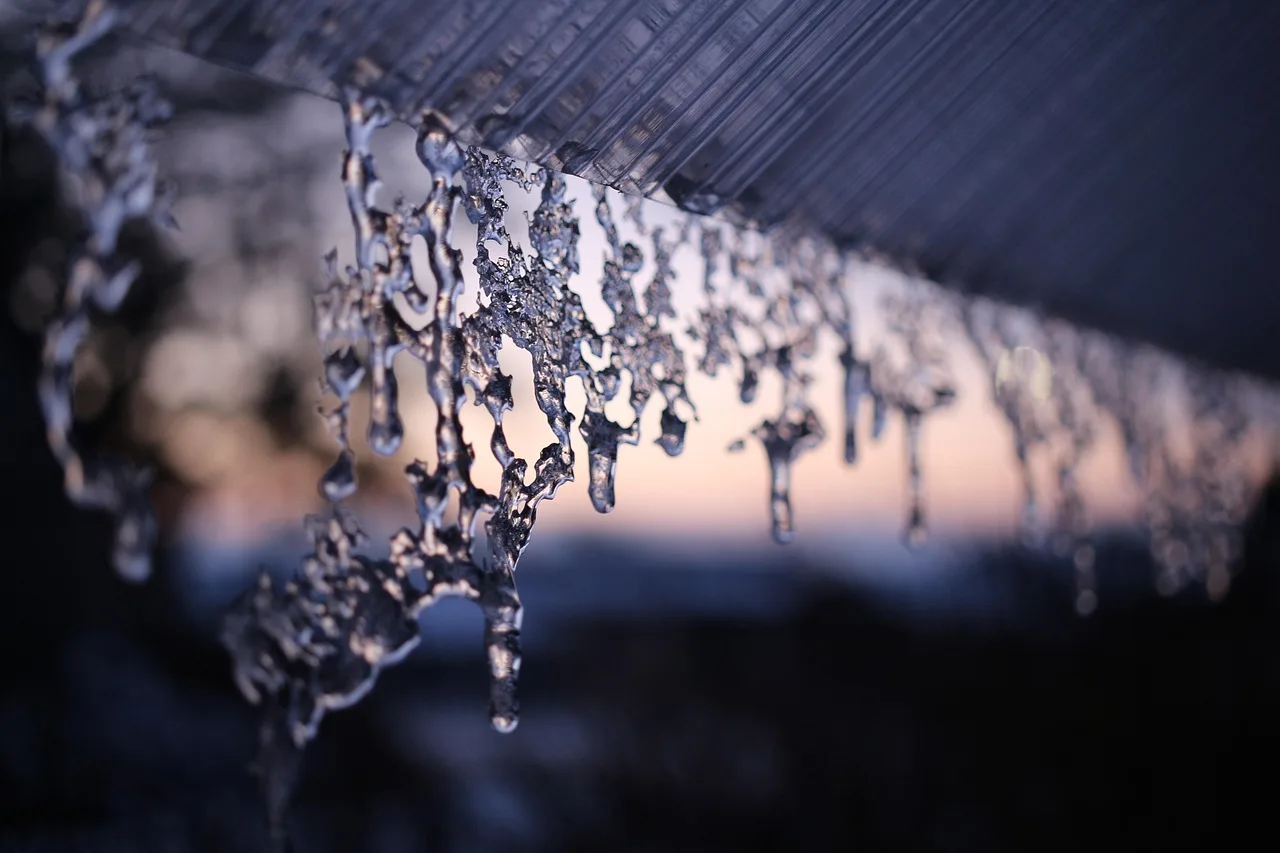


How snow load and ice dams work together
Snow load is the weight the roof has to carry. Wet snow is heavier than dry snow, and packed snow becomes denser after repeated melting and freezing. That can strain framing even before water appears inside.
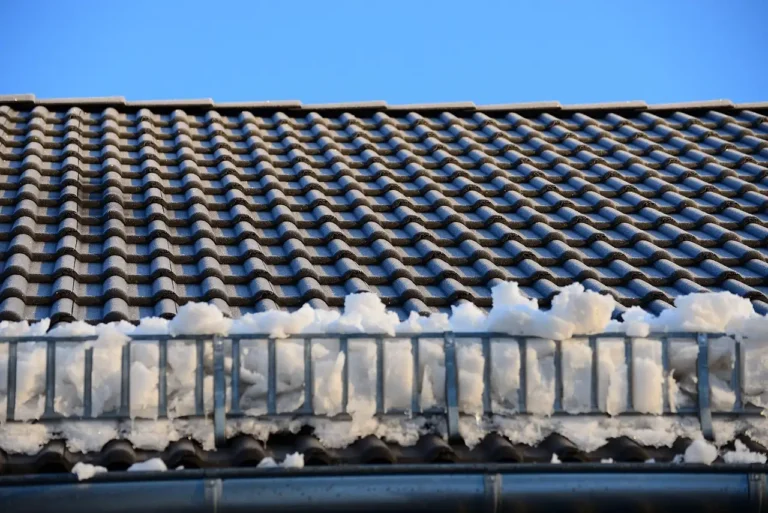
Ice dams add hidden risk. Ice dams are most common in northern climates, and they form when heavy snow melts during the day and refreezes overnight. Melted water can work up under shingles and damage ceilings, walls, and contents.
A roof rake lets you stand on the ground and pull snow off the roof. Keeping heavy snow loads off the roof reduces ice dams and roof-failure risk. It is a tool for controlled removal from below, not a fix for framing movement or a roof that already shows sagging.
Signs that snow is more than cosmetic
A little snow stuck to shingles is normal. A roofline that dips, bows, or looks uneven is not. Changes in the line can signal structural stress, especially if the shape looks different from the house next door or from the same roof edge on the other side.
Say your roof has a shallow valley that holds a deeper strip of snow than the rest of the roof. That pattern may mean drift accumulation, not just extra snow cover. If the valley also looks sunken from the ground, treat it as a warning sign, not a cosmetic one.
Ground-level roof checks you can do safely
Start outside without climbing. A ground-level check lets you catch sagging, shingle damage, flashing problems, and drainage issues before you step into the attic or call for help. Use binoculars if you have them, and keep your feet on stable ground.
-
Scan the roofline. Look for sagging, dips, waves, or any uneven section along the ridge and eaves. Homeowners should watch for roof sagging after snow from a safe location.
If one side sits lower than it did before the storm, or if the line looks bent near a valley or dormer, stop and call a roofer. Structural movement is different from a few snow clumps on the edge.
-
Check edges and corners. Inspect shingle rows at the roof edges, corners, hips, and around valleys. Look for lifted, creased, curled, or missing shingles, since those areas often take the first hit from wind and sliding snow.
Damage here can lead to later leaks even if the roof is dry today. Shingles that have lost their seal may not leak until the next thaw or rain.
-
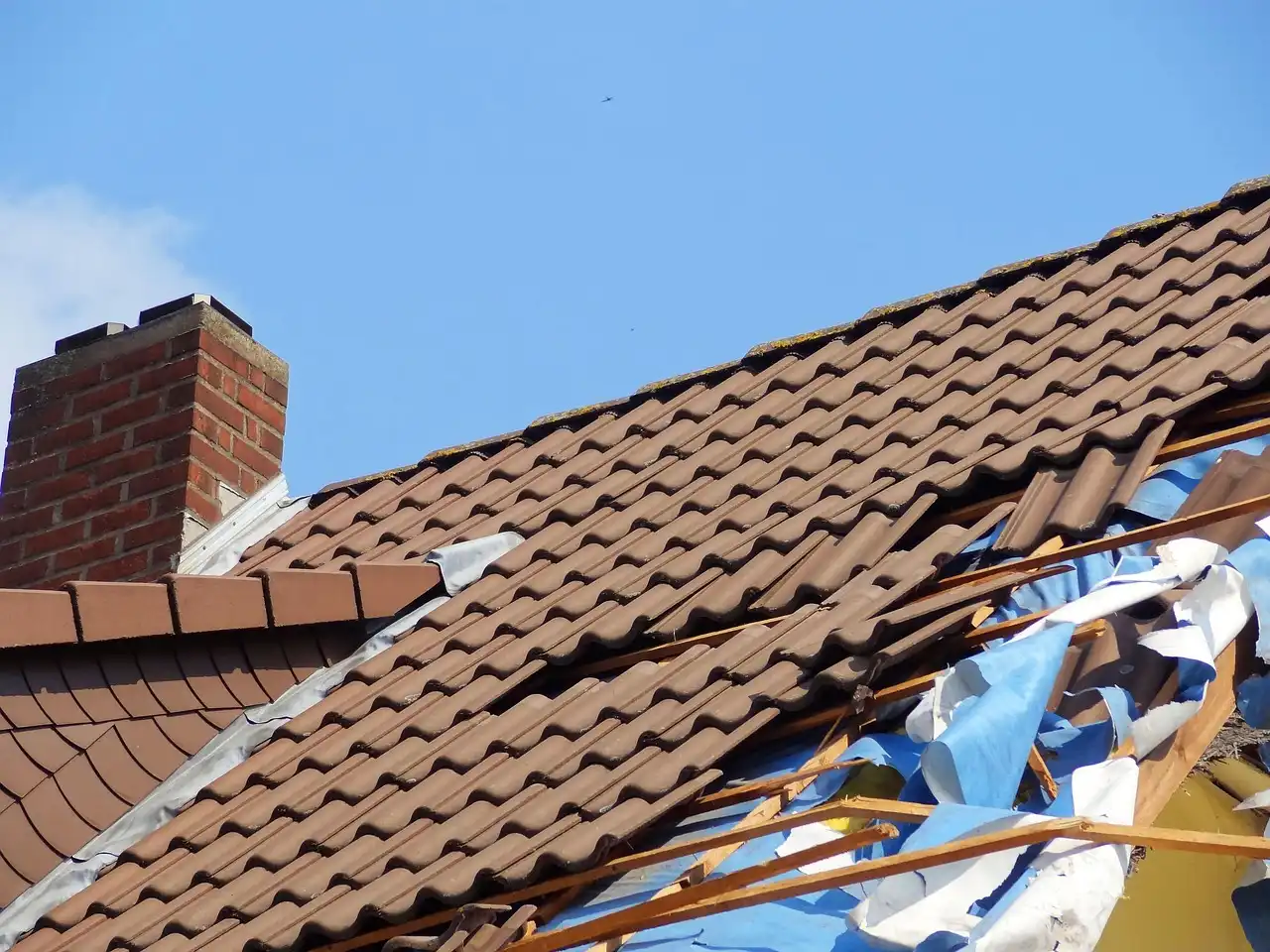
Inspect flashing from below. Look around chimneys, vents, skylights, and wall intersections for bent, missing, or separated flashing. Damaged flashing may be visible from the ground with binoculars, especially where snow has slid or exposed a shiny metal edge.
If flashing looks lifted or out of line, water can enter at the next melt. That is a repair worth arranging soon.
-
Check gutters and downspouts. Watch for pulling, bowing, separation, hanging fasteners, or sections that look twisted. Also look for snow and icicle blockage at outlets and elbows, because drainage problems can worsen ice damming.
If a gutter is pulling away from the fascia, the weight of ice or packed snow may be stressing the hangers. That is more than a trim issue.
-
Do not climb up. Do not step onto a roof with snow or ice on it, even if the layer looks thin. Do not chip ice with a shovel from the roof edge.
If you need to move snow, use a roof rake from the ground. If access would require walking on ice, hire a pro.
What to document before the snow shifts
Take photos from the ground of the roofline, gutters, downspouts, chimneys, vents, and any visible damage. Record the date, the location of each issue, and whether the damage looks new or worse than before the storm.
That record helps if you call a roofer or file an insurance claim. It also makes it easier to compare changes after the next thaw or wind event.
What should you look for inside the attic and home?
Look inside right after the exterior check. The attic often shows water entry before ceilings stain, and the living space can reveal movement that the roofline hides. Watch for damp insulation, wet spots, darkened wood, musty odors, ceiling cracks, peeling paint, and new gaps at trim or joints.
Attic insulation and roof deck
How can I check my attic for roof damage after snow? Start with the insulation, the underside of the roof deck, and the framing near the eaves. Look for dampness, wet spots, darkened wood, or a musty odor, since those can reveal a leak before the ceiling stains below it.
Good attic airflow should move from eaves or soffit area to roof vents. If ventilation is blocked, warm indoor air can stay trapped and add to melt-refreeze cycles. Experts recommend attic insulation at least R-30, with R-38 preferable in northern climates. (Weather)
Picture a 3-foot patch of attic insulation that feels damp near a bathroom vent pipe, while the drywall below still looks clean. That can still be a roof problem. Wet insulation often shows up before the leak becomes visible indoors.
Ceilings, walls, and trim
Check ceilings, wall tops, trim, and door frames for stains, bubbling paint, peeling paint, and new cracks. New ceiling cracks, drywall separation, and nail pops can signal snow damage. If more than one small stain appears, or if a stain seems to spread after thawing, treat it as active moisture until proven otherwise.
Also watch for doors or windows suddenly sticking. A house that moves a little after heavy snow may show that change in the trim before you see a water mark.
Signs that point to an active leak
Can heavy snow damage a roof without causing a leak? Yes. It can damage framing, loosen shingles, bend flashing, or wet insulation before water reaches a room below. That is why a dry ceiling does not clear the roof if the attic or roofline shows movement.
If you find dripping, wet drywall, dripping insulation, or active water at a wall or light fixture, stop the inspection and call a pro. Electrical fixtures near moisture need special care.
Post-snow roof inspection checklist
Use this checklist to separate urgent problems from changes that can be watched for a short time. If more than one area shows movement or moisture, treat the roof as a higher-risk situation and arrange a professional inspection soon.
| Where to check | What to look for | What it likely means | Call a pro now or monitor | Do not climb |
|---|---|---|---|---|
| Ground level | Roofline sagging, dips, uneven sections, drifting snow, lifted shingles, bent flashing visible from below | Possible structural stress, shingle failure, or flashing damage | Call a pro now if the line changed, dipped, or bowed | Yes. Inspect from the ground with binoculars only. |
| Attic | Damp insulation, wet spots, darkened wood, musty odor, frost on nails, wet sheathing | Hidden leak or poor airflow that may lead to damage before rooms stain | Call a pro now if moisture is active or widespread | Do not step between joists in a cramped, icy attic without safe access. |
| Ceilings and walls | New stains, peeling paint, drywall separation, nail pops, cracked trim, sticking doors or windows | Water entry or movement from snow load or ice damming | Call a pro now if cracks are new or more than one stain appears | No roof access needed. Stay inside. |
| Gutters and downspouts | Pulling, bowing, separation, blockage by snow or ice, overflow marks, hanging sections | Drainage trouble that can worsen ice dams and backing water | Monitor if minor; call a pro if detached or blocked high up | Do not climb a ladder onto icy ground near snow piles. |
| Roofline and valleys | Uneven ridge, visible dips, extra heavy snow in valleys, dormers, or behind chimneys | Uneven snow load or structural stress in a weak spot | Call a pro now if the dip is new or growing | Yes. View only from the ground. |
When is roof sagging after snow an emergency?
Roof sagging after snow should be treated as an emergency when the dip is new, getting worse, or paired with new interior cracks, wet insulation, or doors and windows that suddenly stick. A changing roofline means the structure may be moving, and that needs prompt attention.
Do not wait for a leak to appear. A roof can fail inward before water reaches the rooms below. If the line bows noticeably, if the roof seems to have shifted, or if you hear creaking under snow load, call a roofer immediately and keep people out of the affected area.
Sagging, bowing, and uneven lines
Older roofs, flat roofs, and low-slope roofs can be more vulnerable when snow is heavy, wet, or packed. Uneven accumulation is often more concerning than depth because one loaded section may carry far more stress than the rest of the roof.
Look for a ridge that no longer appears straight, an eave that hangs lower than the opposite side, or a section that bows between support points. Those are structural clues, not cosmetic ones.
Wet insulation or new interior cracks
Wet insulation in the attic, or new ceiling cracks and drywall separation inside the house, can point to movement or water entry. If those signs show up together, the roof likely needs a professional look rather than a wait-and-see approach.
Say a hallway ceiling develops a hairline crack and a bedroom door starts rubbing the frame after a storm. That combination can fit structural movement from snow load, even if no drip has formed yet.
How ice dams and blocked gutters cause damage
Ice dams form when snow melts during the day and refreezes at night, which is why they are so common after a warm spell followed by a hard freeze. They can force water under shingles and into the roof system, then into ceilings, walls, and contents.
Blocked gutters and downspouts make that worse by slowing drainage at the edge of the roof. When meltwater cannot leave, it backs up at the eaves and has more time to seep under shingle edges and into vulnerable spots.
Why drainage problems matter
A clogged gutter does more than spill water over the side. It can keep the edge of the roof colder, trap ice, and create a dam where meltwater pools. That is one reason edge damage often shows up near fascia boards, soffits, and the rooms below them.
Look for gutter seams that have opened, downspouts that have pulled loose, or icicles hanging where water should be flowing away. Those are signs the drainage path may be blocked.
What to do when you suspect an ice dam
Do not chip, pry, or hammer ice from the roof. That can damage shingles and flashing. Use a roof rake from the ground to reduce the snow load above the eaves if you can do it safely, and call a pro if the ice dam is large, the roof is steep, or water is already inside.
Should you remove snow from the roof?
Should I remove snow from my roof after a storm? Sometimes, but not always. Remove snow when the load is heavy, the roof is low-slope or older, or you see uneven buildup near valleys, dormers, or chimneys. Leave light, even snow alone unless a roofer advises otherwise.
A roof rake can help from the ground when the snow is high enough to pile at the eaves or when you want to reduce ice dam risk. It is most useful before melt-refreeze cycles set in, not after water has already found a path inside.
-
Choose a ground-only tool. Use a roof rake with a long handle so you can stay on the ground. Keep the tool clear of gutters, vents, and flashing.
This lowers the chance of roof damage and helps remove only the reachable snow layer near the edge.
-
Pull from the eaves. Work from the lower edge and pull snow down in controlled sections. Stop if the roof surface is icy, if snow slides unpredictably, or if you cannot reach safely.
That approach can reduce heavy snow loads and lower ice dam risk without putting your weight on the roof.
-
Stop at warning signs. Quit if you see sagging, hear creaking, or notice water inside. Also stop if the roof is steep, too high to reach, or covered in ice.
Those conditions are better left to a pro with the right access and fall protection.
How to keep snow off roof? The safest answer is to reduce buildup from the ground after storms, before it becomes packed or starts to melt and refreeze. That means using a roof rake where appropriate, keeping gutters clear where safely reachable, and watching for the warning signs that mean the roof needs a pro rather than more DIY work.
Frequently asked questions
How do I inspect my roof for damage after heavy snow?
Start from the ground and look for a straight roofline, intact shingles, and normal flashing around chimneys and vents. Then check the attic for damp insulation, wet spots, dark wood, or musty odors. Finish inside with ceilings, walls, trim, and doors that suddenly stick.
What are the signs of roof damage from snow and ice?
The main signs are sagging roof sections, lifted or missing shingles, bent flashing, blocked gutters, wet attic insulation, ceiling stains, drywall cracks, and doors or windows that start sticking after the storm. One sign matters. Several together make the problem more urgent.
Can heavy snow damage a roof without causing a leak?
Yes. Snow load can bend framing, loosen shingles, shift flashing, and dampen insulation before any water reaches the ceiling. That is why a dry room does not prove the roof is fine if the roofline, attic, or trim shows movement.
How can I check my attic for roof damage after snow?
Look for damp insulation, wet spots on the roof deck, darkened wood, frost on nails, and a musty smell. Check the attic near eaves and vents first, because those areas often show problems from meltwater or poor airflow before a room below stains.
Should I remove snow from my roof after a storm?
Remove snow only when the load looks heavy, uneven, or concentrated on an older, flat, or low-slope roof. Use a roof rake from the ground if you can reach safely. Do not climb a slippery roof, and call a pro if the roof already shows sagging or water intrusion.
Sponsored / affiliate links. As an Amazon Associate I earn from qualifying purchases. I may earn additional commission from eligible campaigns.
 Extendable Roof Snow Rake for Snow Removal, Telescopic Handle Up to 236 Inch Reach, Reinforced 3-Point Connection, Thickened Hardware, Anti-Slip Lock Grip, Snow Remover for Roof
 Telescoping Roof Rake - 20ft Extendable Snow Removal Tool, Reinforced 3-Point Support Head, Thickened Pole for Efficient Snow Clearance