Is Wood Rotting A Chemical Or Physical Change? Clear Answer
Wood rot is primarily a chemical change. It happens when fungi break down the wood’s complex organic molecules into simpler substances. This process alters the wood’s chemical structure, leading to physical decay like softening and crumbling. While the effects are physical, the root cause is a biochemical reaction.
Understanding Wood Rot: A Chemical Transformation
So, what exactly is wood rot? It’s not just the wood getting old. It’s more like the wood is being eaten.
But it’s not by bugs. Tiny living things called fungi are the main culprits. These fungi need to eat to live.
And they find their food in wood. Wood is made of complex stuff. It has things like cellulose and lignin.
Fungi release special juices. These juices break down the wood’s building blocks. This changes the wood.
It becomes weak and brittle. It also often changes color and texture.
Think about it like baking a cake. When you bake, you mix ingredients. Heat changes them.
They turn into something new. They can’t go back to being flour and eggs. Wood rot is similar but caused by living organisms.
Their “juices” are like the oven’s heat and magic. They break big wood parts into small bits. These bits are not wood anymore.
This is why we say it’s a chemical change.
The word “rot” itself sounds like decay. It implies things falling apart. And they do!
But the reason they fall apart is chemical. The fungi use chemical processes. They are breaking chemical bonds within the wood fibers.
This is the core of the matter. The physical changes we see are the result of this deep chemical action. We will look closer at how this happens.
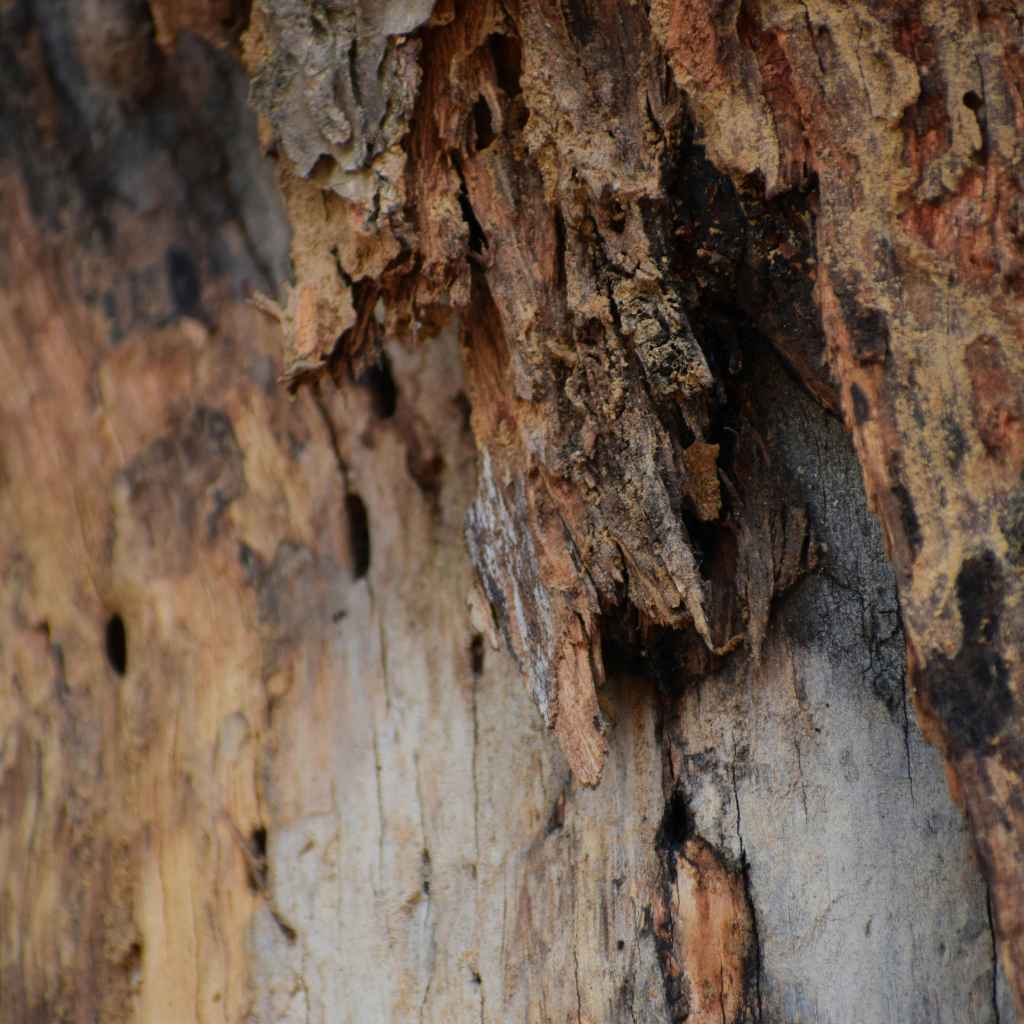
The Fungi Behind the Decay
Fungi are the tiny architects of wood decay. There are many types. But some are especially good at breaking down wood.
These are often called “wood-decay fungi.” They are not like mushrooms you see on a pizza. They are usually small and spread through tiny threads. These threads are called hyphae.
They grow into the wood. They reach the food they need.
These fungi don’t have mouths. They don’t chew. Instead, they use a process called extracellular digestion.
This means they digest their food outside their bodies. They release enzymes. Enzymes are special proteins.
These enzymes act like tiny scissors. They cut the long chains of cellulose and lignin. They break them into smaller sugars and other simple molecules.
The fungi then absorb these simple molecules. This is their food. This is how they grow and spread.
Different fungi like different parts of the wood. Some prefer cellulose. This is the main part that gives wood its strength.
When cellulose is broken down, the wood gets soft. This is called brown rot. Other fungi attack lignin.
Lignin is like the glue that holds cellulose fibers together. When lignin is gone, the wood can become stringy or spongy. This is called white rot.
Some fungi attack both. The specific type of fungus affects how the wood rots. It also affects the color and texture of the rotted wood.
These fungi need certain conditions to thrive. They need moisture. They need air.
And they need a food source, which is the wood. Without these, they can’t do their work. This is key to understanding how to prevent rot. See our guide on how long wood takes to decompose for decay timelines broken down by wood type and environment.
Controlling these conditions makes it hard for fungi to survive. It stops the chemical change from happening.
Why It’s a Chemical Change, Not Just Physical
Let’s be super clear. A physical change is when something changes its form or appearance. But not its basic identity.
Think about ice melting. It goes from solid water to liquid water. It’s still H2O.
Or tearing paper. It’s still paper, just in smaller pieces. You can often reverse a physical change, like freezing the water back into ice.
A chemical change, however, creates something new. New substances are formed. Their chemical makeup is different.
Think about burning wood. You get ash and smoke. You can’t turn ash and smoke back into wood.
Wood rot is like that. The fungi break down the complex wood molecules. They turn them into simpler chemicals.
These chemicals are not wood anymore. They are food for the fungi.
The structure of the wood changes. The strength changes. The color changes.
These are the physical signs. But the reason these signs appear is chemical. The bonds holding the wood together are broken.
New chemical compounds are created. This is the essence of a chemical reaction. The fungi are catalysts for this reaction.
They speed it up with their enzymes.
Consider this: If you just broke a piece of wood, it’s a physical change. It’s still wood. But if fungi break it down, it’s a chemical change.
The wood is being chemically altered. It’s turning into something else. This is why it’s so important to understand.
It’s not just wear and tear. It’s a fundamental transformation.
So, when you see wood that’s soft and crumbly, you’re seeing the effects of a chemical breakdown. The wood’s internal chemistry has been rewritten by fungal action. This is a crucial distinction.
It helps us to truly address the problem at its source, which is chemical in nature.
The Role of Moisture and Oxygen
Fungi, like most living things, need certain things to survive and do their work. Two of the most important are moisture and oxygen. Wood rot cannot happen without water.
This is a critical factor. Dry wood is very resistant to fungal attack. When wood gets wet, it’s like opening a buffet for fungi.
Moisture is needed for the fungal enzymes to work. The enzymes are active in a wet environment. They need water to move around and break down the wood’s components.
High humidity can also be enough to start the process. This is why wood in damp basements or poorly ventilated bathrooms is often at risk. The ideal moisture content for most wood-decay fungi is quite high.
It’s usually above 20% of the wood’s dry weight.
Oxygen is also essential. Fungi are aerobic organisms. This means they need oxygen to breathe and live.
They use oxygen in their metabolic processes. These processes help them generate energy to grow and to produce enzymes. This is why wood that is completely submerged in water, where there is little to no oxygen, is often preserved.
Think of old shipwrecks found at the bottom of the ocean. They can last for centuries.
So, the combination of moisture and oxygen creates the perfect storm for wood rot. When wood is exposed to both, fungi can get to work. They start their chemical change.
This is why controlling moisture is the number one defense against wood rot. It’s not just about keeping wood dry. It’s about preventing the conditions that allow the chemical breakdown to occur.
Understanding these needs helps us think about where rot is likely to occur. It’s in places that get wet and stay wet. It’s where air can circulate, providing oxygen.
Porches, decks, window frames, and areas around plumbing are common spots. These are the places where moisture can build up and oxygen is readily available.
Key Factors for Fungal Growth
Moisture: Essential for enzyme activity and fungal life. High humidity or direct water contact can fuel rot.
Oxygen: Fungi need air to survive and carry out their metabolic processes. Enclosed, airless spaces may slow rot.
Food Source: The wood itself (cellulose and lignin) is the food. This is why wood is susceptible.
Temperature: Fungi grow best in moderate temperatures. Extreme heat or cold can slow or stop their activity.
Types of Wood Rot: Brown, White, and Soft
Not all wood rot looks the same. The type of fungus and what it eats determines the appearance and texture of the rotted wood. This helps us identify the problem.
It also gives us clues about the chemical processes at play.
Brown Rot: This is very common. Brown rot fungi mainly attack the cellulose in wood. Cellulose is what gives wood its strength and structure.
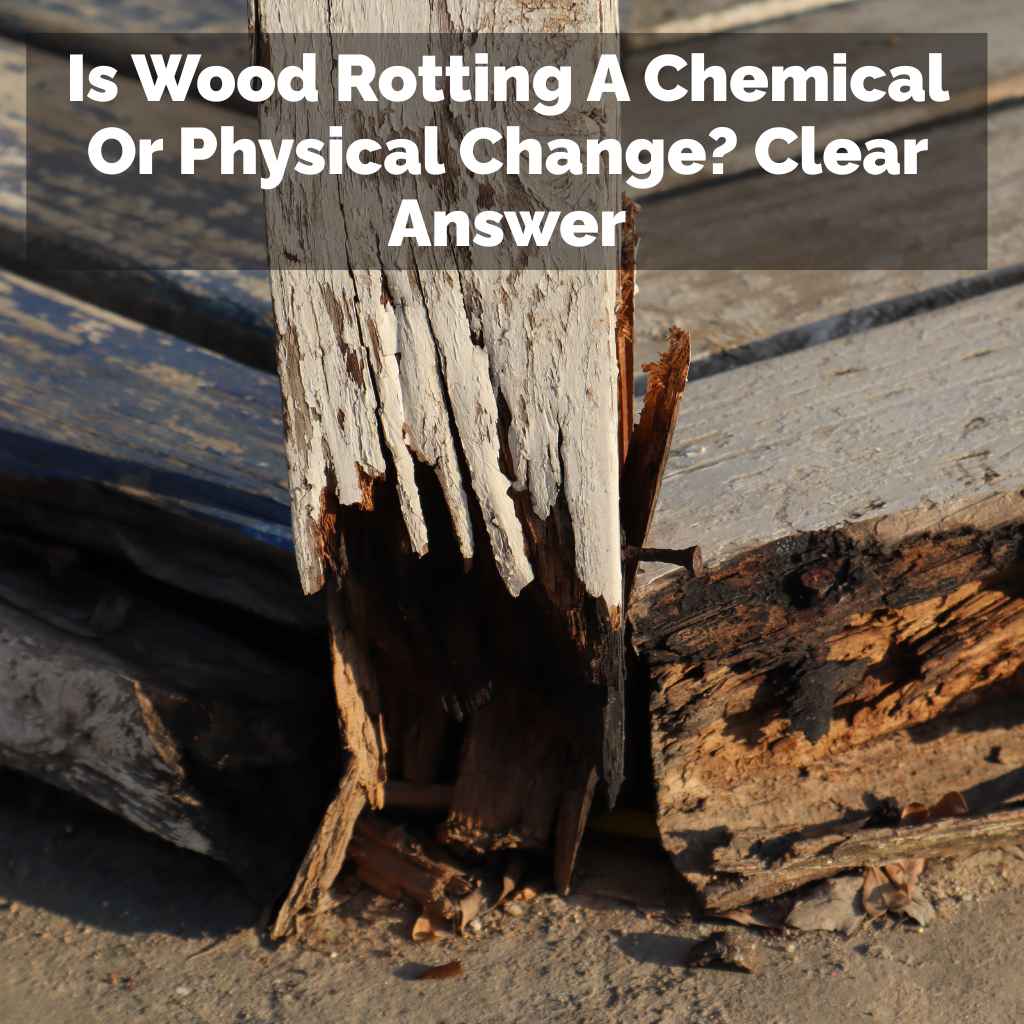
When it’s eaten, the wood dries out and shrinks. It often pulls away from the lignin. This makes the wood look like it’s cracking into cubes.
It becomes hard, dry, and brittle. When you crumble it, it feels like sawdust. It often turns a reddish-brown or dark brown color.
White Rot: White rot fungi are different. They can break down both cellulose and lignin. Lignin is the substance that gives wood its rigidity and color.
When lignin is attacked, the wood can become stringy and soft. It might feel spongy. It often turns a lighter color, sometimes white or pale yellow.
It can look like strands of string or cottony material within the wood.
Soft Rot: This type of rot happens in very wet conditions. It often affects the surface of the wood. Soft rot fungi create small cavities within the wood fibers.
This makes the wood feel soft and crumbly when wet. It often looks like a dark, slimy layer on the surface. This type of rot is common in wood that is constantly exposed to water, like cooling towers or fence posts in wet soil.
Each type of rot shows a different chemical attack. Brown rot targets the sugars that form the wood’s backbone. White rot goes after the binder that holds those sugars together.
Soft rot works differently, affecting the structure in a more localized way. Understanding these types helps diagnose the issue. It also helps in choosing the right repair or prevention methods.
The physical evidence of rot—the color, texture, and way it crumbles—is a direct sign of the specific chemical change the wood has undergone. It’s like a fingerprint left by the fungus. Each fingerprint tells a story of what chemicals were broken down and how.
My First Encounter with Wood Rot
I remember it vividly. It was a sweltering summer day. I was helping a friend move out of an old rental house.
We were carrying a heavy antique dresser down the stairs. As we tilted it, the back leg just… crumbled. It wasn’t a clean break.
It was like dry sand falling away. My friend panicked, thinking we’d ruined it.
I knelt down to look. The wood felt soft. It was a dark brown color.
It looked like it had been eaten from the inside out. There were no visible bugs. Just this strange, crumbly texture.
I knew then it wasn’t just old furniture. This was wood rot. It felt unsettling.
The solid piece of furniture was literally falling apart from this unseen force.
That moment stuck with me. It showed me how powerful nature’s tiny agents can be. It wasn’t a physical force that broke the leg.
It was a slow, persistent chemical process. The wood had been compromised over time. It had lost its structural integrity due to the fungi’s work.
I realized how important it is to recognize the signs early. That dresser, if left untreated, would have continued to decay. It might have become irreparable.
Seeing that leg disintegrate before my eyes was a powerful lesson. It made the abstract concept of chemical change in wood very real. It was no longer just a science lesson.
It was a tangible, frustrating problem that had practical consequences. And it highlighted the need for understanding how these things happen.
Real-World Scenarios: Where Rot Likes to Hide
Wood rot isn’t picky about where it sets up shop. It thrives anywhere the conditions are right. This means certain areas in and around our homes are prime targets.
Knowing these spots can help us be proactive.
Exterior:
- Decks and Porches: These are constantly exposed to rain, dew, and sunlight. Areas where water can pool, like between deck boards or under railings, are vulnerable. The ends of boards are also common entry points for moisture.
- Window Frames and Sills: Rainwater can seep around windows. Poorly sealed frames or damaged paint allow water to get into the wood. This creates a damp environment right next to your house.
- Siding: Cracks or gaps in siding can let water in. In humid climates, the back of siding can stay damp for long periods.
- Fascia and Soffits: These are parts of the roof edge. They can get wet from leaking gutters or ice dams. They are often out of sight, so rot can go unnoticed for a while.
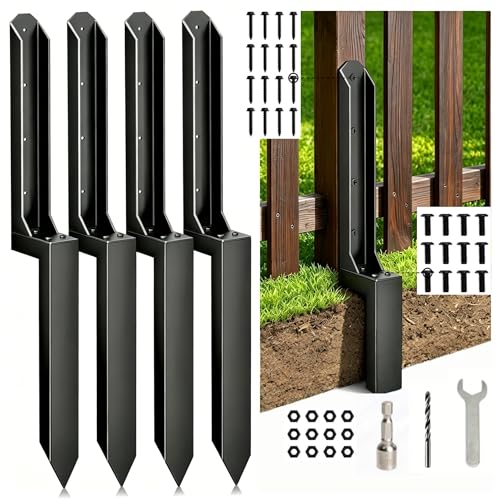
- Fence Posts: The part of a fence post that meets the ground is usually very damp. Water wicks up from the soil. This creates a perfect breeding ground for fungi.
Interior:
- Bathrooms and Kitchens: Leaky pipes, condensation from showers, or spills can lead to damp wood. Subfloor areas under sinks or around toilets are common problem spots.
- Basements and Crawl Spaces: These areas often have high humidity. Poor ventilation can trap moisture. Leaks from the foundation or plumbing can also be an issue.
- Attics: Though usually dry, attics can develop rot if there are roof leaks or inadequate ventilation causing condensation.
- Firewood Storage: If you bring damp firewood inside, it can introduce moisture and fungi into your home.
The common thread in all these scenarios is moisture. When wood stays wet for too long, the chemical change that leads to rot can begin. It’s a silent attacker.
It often starts in hidden places. Regular checks can catch it early. This prevents major damage.
Common Problem Areas
- Near the Ground: Fence posts, deck posts, bottom of house trim.
- Water Drainage Points: Under leaky gutters, around leaky pipes, window sills.
- Poor Ventilation: Crawl spaces, attics, behind poorly sealed siding.
- High Humidity Zones: Bathrooms, kitchens, basements.
What This Means for Your Home: Identifying the Danger
Seeing wood rot on your property is more than just an eyesore. It’s a warning sign. It means the structural integrity of the wood is compromised.
This can lead to serious problems if not addressed.
When Rot is Normal (but still needs watching):
- Minor surface discoloration: Sometimes, wood can get damp and change color slightly, but still be firm. This might be a sign of mold or mildew, not deep rot.
- Wood that dries out quickly: If a wooden item gets wet but dries out completely within a day or two, rot is unlikely to start.
- Wood with excellent airflow: Things like outdoor furniture that dries quickly due to constant breeze might show little signs of rot, even in rain.
When to Worry About Wood Rot:
- Soft or Spongy Texture: If the wood feels soft, spongy, or crumbly to the touch, it’s a clear sign of decay.
- Cubical Cracking: Brown rot often causes wood to split into small, cube-like pieces.
- Stringy or Fibrous Texture: White rot can make wood feel stringy or like it’s unraveling.
- Darkened or Discolored Wood: While color changes alone aren’t proof, dark, discolored, or bleached wood that is also soft is cause for concern.
- Hollow Sounds: Tapping on wood can reveal hollowness if rot has eaten away from the inside.
- Visible Fungal Growth: In very damp conditions, you might see fungal bodies, though this is less common than the decay itself.
- Structural Weakness: If a beam, post, or railing feels wobbly or weak, rot may have weakened it significantly.
The danger with wood rot is that it’s a chemical change that weakens the material. This can affect the safety of your home. A rotted deck railing could break.
A rotted beam in your roof could sag. A rotted window frame could let in more water, leading to further damage inside your walls.
Simple checks are easy to do. Poke suspect areas with a screwdriver. If it goes in easily, the wood is likely rotted.
Look for areas where water might collect. Pay attention to any wood that seems unusually soft or crumbly. Early detection is key to preventing costly repairs.
It stops the chemical decay before it compromises the structure of your home.
Quick Rot Check Guide
- Poke Test: Use a screwdriver to probe suspect wood. If it sinks easily, rot is present.
- Visual Inspection: Look for cubical cracking (brown rot) or stringy texture (white rot).
- Feel Test: Check for softness, sponginess, or unusual dryness and brittleness.
- Sound Test: Tap wood with a hammer or knuckles. Listen for hollow sounds.
- Moisture Check: Identify areas prone to water buildup or long-term dampness.
Simple Tips to Prevent Wood Rot
Since wood rot is a chemical change driven by fungi needing moisture, preventing it is all about controlling those conditions. You don’t need to be a chemist to keep your wood in good shape. Simple, consistent practices make a big difference.
-
Keep Wood Dry: This is the golden rule.
- Ensure good drainage around your home. Water should flow away from the foundation.
- Clean gutters and downspouts regularly. Clogged gutters cause water to overflow and soak into wood.
- Fix any plumbing leaks immediately.
- Ventilate damp areas like basements, crawl spaces, and bathrooms. Use fans or dehumidifiers if needed.
-
Seal and Protect Wood:
- Paint or stain exterior wood surfaces. This creates a barrier against moisture.
- Reapply finishes as needed. Chipped or peeling paint lets water in.
- Use pressure-treated lumber for areas that will be in contact with soil or exposed to a lot of moisture.
-
Allow Air Circulation:
- Don’t let mulch pile up against the siding of your house. This traps moisture.
- Ensure good airflow around decks and under porches. Keep the area clear of debris.
- Trim plants and shrubs away from wooden structures.
-
Elevate Wood:
- Whenever possible, keep wooden structures off the ground. This allows air to circulate and prevents direct contact with damp soil.
- Use gravel or concrete footings for posts and supports.
-
Regular Inspections:
- Periodically check common problem areas for signs of rot. Early detection makes repairs much easier and cheaper.
- Address any damp spots or minor damage right away.
By taking these steps, you make it difficult for the fungi to start their chemical work. You’re essentially removing their food and water source, or their ability to access it. This keeps your wood healthy and strong for years to come.
It’s about smart maintenance, not major overhauls.
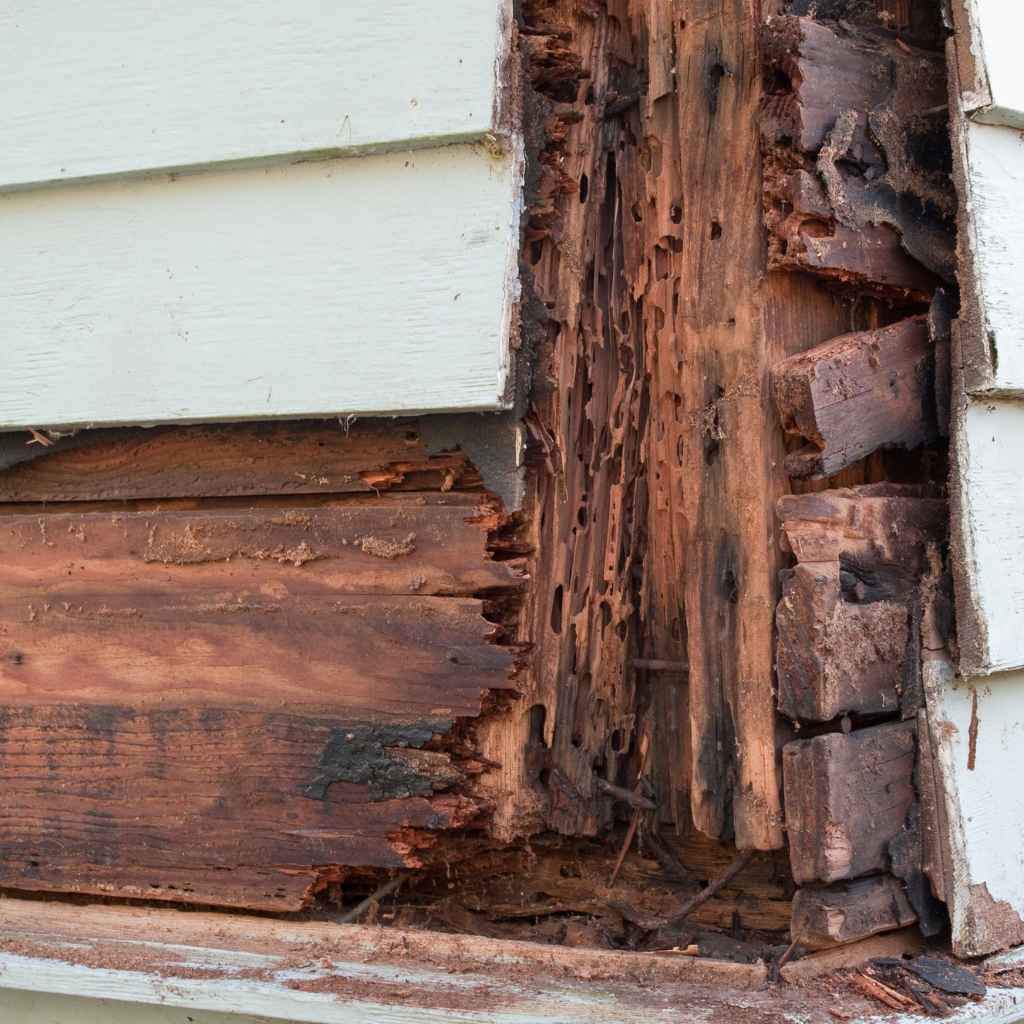
Frequently Asked Questions About Wood Rot
Is wood rot a natural process?
Yes, wood rot is a natural part of the ecosystem. Fungi are decomposers. They break down dead wood.
This returns nutrients to the soil. However, in our homes, it becomes a problem because we want wood structures to last a long time. So, while natural, it’s something we need to manage.
Can painted wood still rot?
Yes, painted wood can still rot. If water gets behind the paint or finds tiny cracks, it can reach the wood. Peeling or damaged paint is especially problematic.
The paint needs to be in good condition. Also, the wood needs to be able to dry out. If the paint seals in moisture, it can trap it, making rot worse.
How long does it take for wood to rot?
The time it takes for wood to rot varies a lot. It depends on the type of wood, the species of fungus, and the moisture levels. In ideal conditions, rot can start within weeks or months.
In drier conditions, it might take many years. Hardwood is often more resistant than softwoods.
What is the difference between mold and wood rot?
Mold is a type of fungus that grows on the surface of materials. It often looks fuzzy or slimy. Wood rot is also caused by fungi, but these fungi actually digest and break down the wood itself.
Mold typically grows on damp surfaces, while rot changes the wood’s structure and strength. Rot is a deeper, structural problem.
Can I stop wood rot once it starts?
You can stop the rot from spreading. First, you must remove the rotted wood. Then, fix the source of moisture.
For minor rot, sealing the wood after fixing the moisture problem might be enough. For significant rot, the damaged wood usually needs to be replaced. It’s hard to “cure” rotted wood.
The best approach is removal and prevention.
Is pressure-treated wood rot-proof?
Pressure-treated wood is highly resistant to rot and insects. Chemicals are forced deep into the wood. This makes it very difficult for fungi to break down.
However, it’s not completely rot-proof. If the treatment wears off over time, or if the wood is constantly saturated with water, rot can still occur. It’s a great defense, but not a guarantee.
Conclusion: Protecting Your Wood
So, there you have it. Wood rot is a chemical change. It’s the result of fungi breaking down the very structure of wood.
This process happens when wood is exposed to moisture and oxygen. While it’s a natural process, it can cause serious damage to our homes. Understanding this transformation is the first step.
It helps us protect our investments. By keeping wood dry, allowing airflow, and sealing it well, we can prevent this decay. Regular checks are your best defense.
They catch rot before it becomes a big, expensive problem. Let’s keep our wood strong and our homes safe.
Sponsored / affiliate links. As an Amazon Associate I earn from qualifying purchases. I may earn additional commission from eligible campaigns.