
Should You Put Salt on a Wood Deck?
No, don’t put rock salt on a wood deck; if you must use a deicer, choose a calcium chloride product labeled safe for wood and use it sparingly. Rock salt can leave residue, wear the finish faster, and pull moisture into cracks and fasteners. This guide covers safer deicers, removal steps, and ways to protect stain, sealer, and hardware.
Should you put salt on a wood deck?
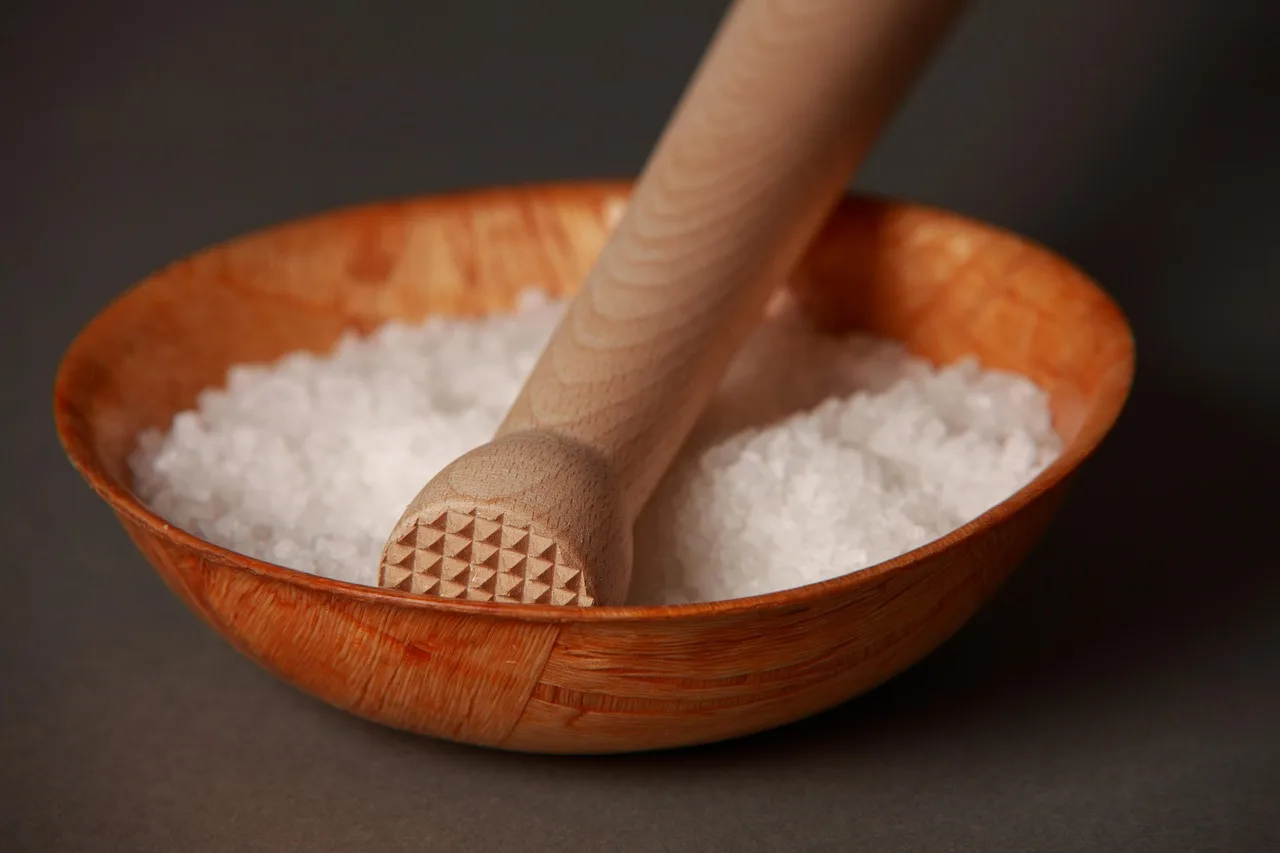


Usually no. For most wood decks, rock salt is the wrong first choice because sodium chloride can leave grit behind, hold moisture against the surface, and wear the finish over time. Even a small amount still needs cleanup, and older stain, sealer, or oil finishes are more vulnerable.
If the deck is sealed or stained, salt can shorten the life of that coating. If it is unsealed, the board surface can still take on residue, and moisture can reach cracks, screw heads, and end grain more easily. Pressure-treated lumber is still wood, so treatment does not make salt exposure harmless.
What salt does to wood finishes
Rock salt can act like a rough mineral film on a deck surface. When foot traffic grinds that film into wet wood, the finish sees more wear, especially at board edges, stair treads, and rail-post bases where water tends to linger.
That matters on older decks. A finish that is already thin or patchy has less protection left, so repeated salt exposure can make the deck look dull sooner and can lead to more frequent refinishing.
When a small amount still calls for cleanup
If salt is already on the deck, do not leave it there until spring. Sweep it up, let meltwater move off the boards, rinse lightly, and dry the surface. That sequence reduces residue without heavy scrubbing that can strip stain or sealer.
Say your back steps have a thin crust of slush and a few spoonfuls of rock salt near the door. The safer move is to remove the loose salt, wait for the water to drain, then rinse just enough to lift leftover brine instead of blasting the boards clean.
Why salt is hard on deck surfaces
Salt is hard on wood because it does two jobs at once: it leaves residue and it brings water into the problem. On a deck, that combination can keep boards damp longer than they should be, and wet wood plus frozen weather is a poor mix for finish life and hardware.
Repeated exposure matters more than a single spill. A light application that is cleaned promptly is one thing. A winter of tracked-in salt, meltwater, and refreezing is another, especially where the deck meets thresholds, steps, and fasteners.
Residue and moisture on wood
Rock salt on the surface can leave a chalky film that collects in grain lines and gaps. That film is not harmless. It can attract more moisture, then hold it against the wood until the next thaw or rinse.
That is one reason salt and moisture can shorten the service life of a wood deck finish. Even a good sealer cannot perform well if a deck stays wet and dirty for long stretches.
Why older decks are more vulnerable
Older stain, sealer, or oil finishes already have less protection than a fresh coating. On a deck with worn spots, salt can reach wood fibers faster, and the cleanup method matters more because harsh washing can remove what little protection remains.
Fasteners matter too. Salt-laced meltwater around screws, nails, and connectors can leave residue at the hardware line. That does not mean the deck will fail overnight, but it does mean regular cleanup is worth doing before the season gets messy.
What to use instead of salt on a wood deck
Calcium chloride is usually the better deicer for wood if the label says it is safe for the surface and you apply only what you need. It works faster than sodium chloride at lower temperatures, and it is sold in pellet, flake, or sock form in some applications. It still needs cleanup after use.
For many wood decks, a traction aid is better than a melt-first approach. Sand or another nonchemical traction product can improve footing without adding as much moisture-driven residue. The tradeoff is that you still have to sweep it off later.
Calcium chloride and its limits
Calcium chloride can be useful when temperatures are low enough that rock salt is sluggish. It is still a deicer, not a no-cleanup product. Any leftover pellets or brine should be removed after the thaw so they do not sit in the grain or around hardware.
Use it sparingly on wood. More product is not better here. A heavier dose can still leave residue, and if meltwater is allowed to pool, the deck can stay wet longer than needed.
Traction aids for safer footing
Traction products are a good fit when you mainly need grip on stairs, landings, or a short path across the deck. They help with slip resistance without forcing the boards to absorb more chemical exposure than necessary.
Choose a cleanable material that will not scratch the finish. Coarse, gritty products can be harder on a stained or sealed surface than they look at first glance.
When to choose a gentler option
Use the gentlest option that solves the problem. If the deck only needs a few safe steps to reach the door, a traction aid may be enough. If ice is bonded to the boards, a wood-safe calcium chloride product is the more practical choice than rock salt.
Picture a cedar landing outside a side entrance where snow keeps drifting back onto the same six boards. In that case, a light application of a gentler deicer plus prompt cleanup is a better fit than repeated rock salt use, which can wear at the finish and leave a crust behind.
Deck de-icer decision table
| Deck material | De-icer option | Risk to finish | Cleanup steps |
|---|---|---|---|
| Sealed wood | Wood-labeled calcium chloride or a traction aid | Moderate; coating can wear if salt and meltwater sit too long | Sweep loose product, let meltwater drain, rinse lightly, dry with a towel or squeegee |
| Unsealed wood | Traction aid first; use deicer only if needed | Higher; bare fibers take on residue and moisture more easily | Remove solids, rinse gently, dry fully, then inspect for raised grain or dark spots |
| Composite | Calcium chloride or a mild traction aid | Lower than wood, but residue can still dull the surface | Sweep, rinse with water, and wash with a mild soapy solution if residue remains |
| Concrete-adjacent transitions | Calcium chloride or traction aid, kept off wood boards | Moderate at the edge; splash and tracking can reach the wood finish | Keep the material off the wood side, sweep the joint, rinse carefully, and dry the transition area |
Do not use: abrasive cinders, gritty ash, sharp chips, or any harsh product that can scratch boards. Skip anything that leaves a dirty film you cannot remove without hard scrubbing.
Start with dry cleanup, then move to light rinsing. Do not use a pressure washer first on a finished wood deck. The goal is to remove residue without stripping stain or forcing water deeper into cracks, end grain, and fastener holes.
- Sweep up loose salt crystals and any grit sitting on the boards.
- Let meltwater drain off the deck instead of pushing it around.
- Rinse lightly with clean water, keeping the flow moving across the surface.
- Use a mild soapy solution only if residue remains and the deck maker allows it.
- Wipe dry or squeegee the surface so water does not sit in seams and corners.
Why drying matters
Drying matters because standing water keeps salt active longer. If the deck stays wet, the residue can work into the finish and around hardware. A clean surface that dries quickly is less likely to blister, dull, or leave white marks.
For routine deck care, IKEA says to clean the decking with a mild soapy solution. The product is described as weather-resistant and easy-care, and it is intended for hard, even surfaces including wood. Even then, the safest routine is still gentle cleaning followed by wipe-dry after use.
Which deck materials handle winter better?
Composite decking generally handles salt exposure better than wood, but it is not a free pass to leave deicer on the surface. Wood needs more caution because the finish, boards, and hardware all respond poorly to repeated salt and moisture. Material choice changes the risk, not the need for cleanup.
Pressure-treated lumber
Pressure-treated lumber is common for decks, but treatment does not make maintenance optional. Salt exposure can still leave residue on the surface, and seasonal cleaning is still part of keeping the deck in good shape. If you assume treated lumber can take anything, the finish will usually prove otherwise.
Cedar decking
Cedar decking can weather to gray if left alone, and it benefits from routine rinse-downs and finishing. Near salt air or direct deicer contact, neglect shows faster. A cedar deck that is cleaned and protected on schedule will usually hold up better than one that is left dirty through winter.
Mahogany decking
Mahogany decking is a dense wood often used near maritime environments. It takes oiling well, but the maintenance schedule depends on exposure. Salt air increases upkeep needs, and direct winter residue on the boards adds another layer of cleaning and protection.
Composite decking
Composite decking is a wood plastic composite product. Boards are described as ignoring humidity and salt air, and the PVC line contains no wood fiber. That is why composite is often easier to keep clean in winter, though it still needs residue removal and normal care.
The deck flooring material is wood plastic composite, and the product is described as weather-resistant and easy-care. The composite boards keep their color without a coat of stain, which is a practical advantage when you are comparing winter care against wood.
What not to use on a wood deck
Avoid harsh or abrasive products that can scratch the finish or leave grit behind. Rock salt is the main problem here, but it is not the only one. If a product feels rough in the hand, leaves a dusty film, or needs hard scrubbing to remove, it is usually a poor match for a finished wood deck.
Also avoid cleaning methods that do more damage than the salt itself. Aggressive scraping, stiff metal tools, and high-pressure spray can strip stain and sealer faster than a winter’s worth of light deicer use.
Cleaner choices for routine maintenance
For routine upkeep, a mild soapy solution is the safer choice for many deck surfaces. Use it for residue, pollen, and general grime, then wipe dry after cleaning. That approach is far easier on wood finishes than strong chemical cleaners.
Check the deck maker’s care guidance when it is available. If the instructions call for a specific cleaning method, that should guide your winter cleanup plan more than a generic ice-melt habit.
Frequently asked questions
Can you put salt on a wood deck for ice?
You can, but you generally should not make it your default. Salt can help with ice, yet it can also shorten the life of stain, sealer, or oil if it sits on the boards. Use the least aggressive option that restores safe footing, then remove residue promptly.
What should you use instead of salt on a wood deck?
Use a traction aid for light slipperiness or a calcium chloride product labeled safe for wood when melting is needed. Both still require cleanup. The best choice depends on whether you need grip, melt, or both, and on how much finish you want to preserve.
How do you clean salt off a wood deck?
Sweep up loose crystals first, let meltwater drain, rinse lightly, and dry the surface. If residue remains, use a mild soapy solution rather than a harsh cleaner. The goal is to remove salt without forcing water or scrubbing too hard into the finish.
Will salt stain or damage a wood deck?
Yes, it can. Salt can leave a white residue, dull the finish, and wear faster where boards stay wet. On older stain or sealer, the problem is usually worse because there is less protection left. Fasteners and end grain can also hold salty moisture longer.
Can you put rock salt on a wood deck?
It is better to avoid it. Rock salt is abrasive, can leave grit behind, and is not ideal for wood surfaces. If it has already been used, clean it off soon rather than waiting for the season to end, especially on sealed or stained decks.
Can you put salt on a wood deck to melt ice?
Yes, but that does not make it the best choice. Salt will melt ice, yet it can also drive moisture into cracks and wear the finish faster. For wood, a gentler deicer or a traction aid is usually the better winter maintenance decision.
Can you put salt on a wood deck?
Technically yes, but it is usually the wrong tool for the job. If you do use it, keep the amount small, avoid repeated applications, and clean the deck soon after the thaw. That advice is especially important on older finishes and on wood near fasteners or seams.
Sponsored / affiliate links. As an Amazon Associate I earn from qualifying purchases. I may earn additional commission from eligible campaigns.