What Is the Lowest Safe Indoor Temperature in Winter?
For occupied homes, a commonly recommended indoor winter temperature is around 68°F. If the house is empty, 55°F is a common minimum, and homes with infants, older adults, or medical needs are generally kept higher, often around 70°F or more. Drop lower and you raise the risk of frozen pipes, dampness, and unsafe conditions for people who are sensitive to cold. This guide gives the safest floor for occupied rooms, empty homes, and higher-risk households, plus simple ways to hold temperature without overspending.
Safe indoor temps by household needs


| Household type | Minimum safe target | Why it changes | What to do next |
|---|---|---|---|
| Healthy adults | 64°F to 68°F | WHO-linked guidance says indoor temperatures below 64°F (18°C) are too cold for the general population, while 68°F is a common occupied-home target. | Keep occupied rooms near 68°F and do not let the whole house drift below 64°F. |
| Older adults | 68°F to 70°F | Older adults have a higher cold-risk segment and do better at warmer indoor temperatures. | Set the thermostat in the 68°F to 70°F range and check the actual room temperature, not just the dial. |
| Ill people | 68°F to 70°F | Illness can reduce the body’s tolerance for cold and make recovery harder in a cool house. | Raise the target if anyone is feverish, weak, recovering, or sleeping most of the day. |
| Babies | About 70°F or higher | Babies lose heat faster and cannot correct for cold as well as healthy adults. | Keep the nursery warm enough for comfort without overheating, and check the crib area with a room thermometer. |
| Sleeping households | About 65°F | Bedtime can usually run cooler than daytime if the home stays occupied and everyone is healthy. | Use blankets and sleepwear first, then keep the bedroom near 65°F rather than dropping the whole house far below it. |
| Empty houses | 55°F minimum | Vacant homes need enough heat to reduce pipe freeze risk and moisture damage. | Do not let the house fall below 55°F, even for a short trip. |
| Homes with a heat pump or freeze risk | Higher than the standard occupied setting if pipes or equipment are exposed | Standard air-source heat pumps lose capacity below freezing, and pipe freeze risk rises near 20°F outdoors in unheated spaces. | Watch the room and pipe temperatures, not only the thermostat, and add heat or protection before a cold snap. |
What is the lowest safe temperature for a house in winter?
For a healthy adult household, the lowest safe indoor temperature is generally 64°F, with 68°F a better occupied-home target. WHO guidance places 18°C, or 64°F, below the comfort and safety line for the general population. Comfort usually sits higher than the safety floor.
That gap matters because a house can feel merely chilly at 64°F, but that is the line where cold starts to matter for health, sleep quality, and moisture control. For most adults, 68°F is the practical setting that keeps the home comfortable without pushing heating use higher than needed.
How to separate comfort from safety
Comfort and safety are different decisions. Comfort is the temperature where most people feel best. Safety is the point where cold starts becoming a problem for health, plumbing, or sleep. Do not use a single number for both.
A common mistake is lowering the thermostat until a room still feels “okay” in a sweater, then assuming the whole house is safe. Thermostats also measure one spot, not every room. Drafty corners, upstairs bedrooms, and unheated spaces can be much colder.
What is the safest setting for older adults and children?
Older adults and sick people need a warmer target, usually 68°F to 70°F indoors. Babies also need a higher setting than healthy adults because they cool down faster. If anyone in the home is frail, recovering, or hard to warm up, do not treat 64°F as a safe goal.
The National Institute on Aging points to 68°F to 70°F for older adults, which fits the higher-risk segment. For babies, the safer move is to keep the room warm enough that the child does not feel cool to the touch, especially at night or during naps.
Why illness changes the target
Illness changes how well the body manages cold. Shivering, poor appetite, fatigue, and some medications can all make a person more vulnerable indoors. In that setting, a home that feels merely “cool” to others can become unsafe for the sick person.
If someone is unwell, raise the room target before the room feels cold. A bedroom at 68°F to 70°F is a better floor than trying to rely on blankets alone, especially during a long cold snap.
How low can you set your thermostat when you are away?
When everyone is out, 60°F is a common setback setting, but the house should never drop below 55°F. ENERGY STAR-style winter setbacks can cut energy use, yet they should stay above the point where pipes, moisture, and building materials start taking damage.
The American Red Cross says an empty house should never drop below 55°F. That is a protection limit, not a comfort target. If the home is occupied, especially by older adults, babies, or anyone ill, set it higher than the away setting.
Energy-saving setbacks that stay within the safe range
-
Set the daytime target. Keep the occupied setting near 68°F when people are home and awake. That is a practical balance between comfort and cost for many households.
-
Lower the sleep setting. Move to about 65°F at night if everyone is healthy and warm bedding is available. That is usually enough to save energy without pushing the house into a cold range.
-
Use an away setback. Drop the thermostat to 60°F when the house is empty, but keep it above 55°F at all times. If a cold snap is coming, raise the setpoint before you leave.
-
Check the return time. Bring the house back toward 68°F before people return, especially after several days away. A what happens when a house gets cold without heat scenario can take longer than expected to reverse if the system is already running near capacity.
ENERGY STAR setback guidance also notes that an about 8°F setback can save energy when used for several hours. That is useful only if the reduced setting still stays within the safe floor for the people and the plumbing in the house. In U.S. homes, the EIA Residential Energy Consumption Survey is the main national context for thermostat habits and heating tradeoffs: many households balance comfort, occupancy, and fuel use by using lower nighttime and away settings instead of keeping one fixed temperature all day.
When to raise it before a cold snap
Raise the thermostat sooner if outdoor temperatures are falling fast, if the home has drafty rooms, or if any plumbing runs through unheated space. Empty homes need more margin because no one is there to notice a cold room or a failed furnace cycle troubleshooting problem.
Suppose a two-story house is left at 60°F for a weekend, but the attic crawl area and garage plumbing are exposed. If the outdoor temperature drops near 20°F, the safe move is to raise the heat and protect the vulnerable pipes before leaving, not after the pipes have already chilled.
When does cold become unsafe inside a house?
Cold becomes unsafe when room temperature drops below the needs of the people in the home or when plumbing is exposed to freezing conditions. For many healthy adults, that starts below 64°F. For older adults, babies, and sick people, the unsafe point is higher.
Pipe freezing can be a separate concern in unheated spaces. The American Red Cross advises an empty house not to go below 55°F, and freeze risk rises sharply for unheated spaces such as attics, crawl spaces, and garages when outdoor temperatures fall near 20°F. That 55°F limit is about the air temperature in the living space, not a guarantee that pipe cavities, exterior walls, or poorly insulated corners will stay warm enough on their own.
Signs the house is too cold
- Rooms stay below the chosen thermostat setting even after the system has run for a while.
- Water pipes in unheated spaces feel very cold or begin to show signs of freezing.
- Condensation or dampness appears on windows and cold surfaces.
- People wake up cold, shiver indoors, or cannot warm up with normal clothing and blankets.
Drafts matter here. A room with a 68°F thermostat setting can still feel much colder if air leaks around windows, doors, ducts, or floor gaps. In that case, the actual room temperature may be lower than the thermostat suggests.
How to verify the actual room temperature
-
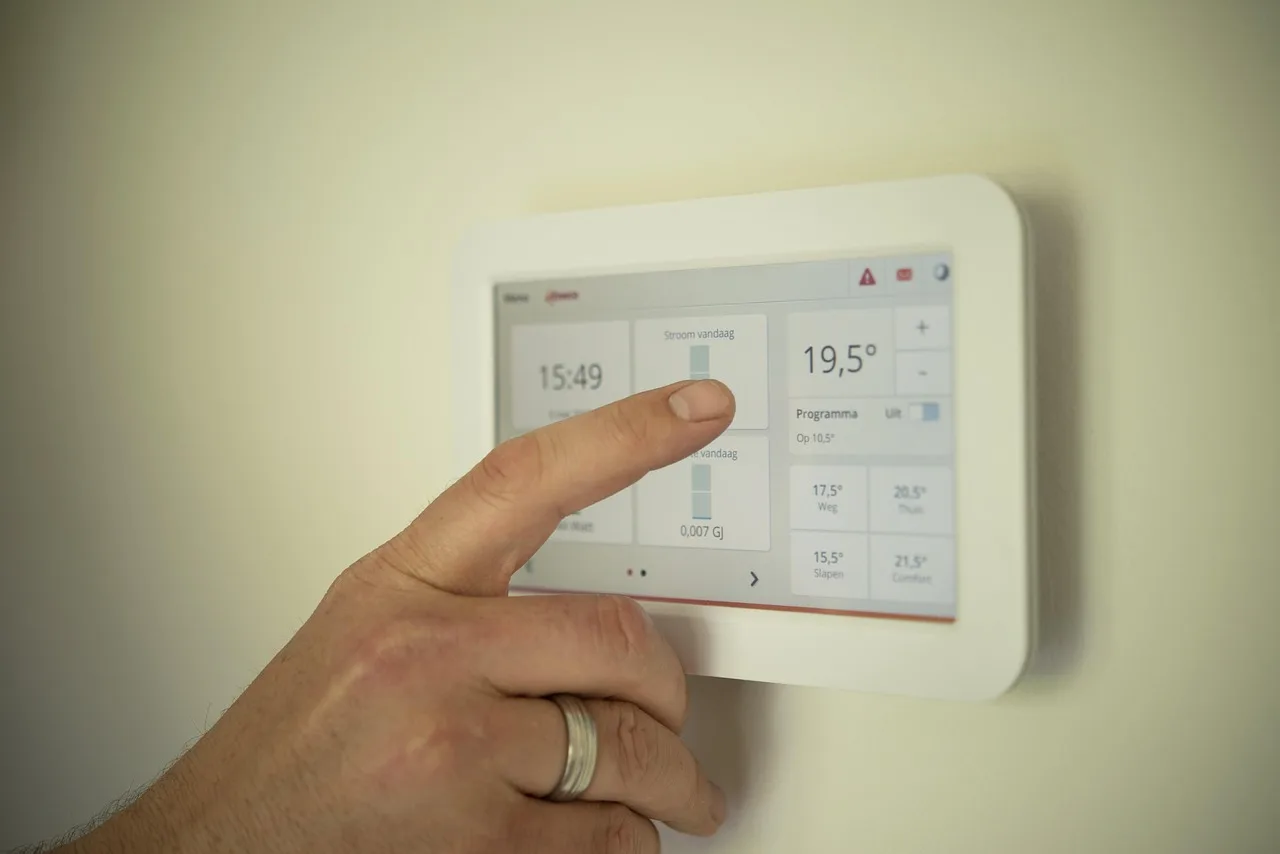
Place a room thermometer. Set it in the room you care about most, away from vents, sunlight, exterior walls, and appliances. The reading should reflect the air where people actually sit or sleep.
-
Compare different rooms. Check a bedroom, a main living area, and any drafty space. If one room is far colder, treat that room as the priority, not the thermostat wall location.
-
Adjust the system. Raise the setpoint, close leaks, or move sleeping arrangements if one room cannot hold the minimum safe target. The goal is a safe room temperature, not a thermostat number alone.
How do heat pumps change the answer?
Heat pumps can change how much heat the home can deliver in very cold weather. A standard air-source heat pump loses capacity once temperatures fall below freezing, and many systems rely on backup heat strips in the 20s°F. That can raise operating cost and reduce the margin of comfort.
Cold-climate heat pumps are built for lower temperatures. NEEP lists cold-weather performance down to 5°F as a benchmark, and many manufacturer-backed cold-climate models keep heating below 0°F. Standard air-source units are more likely to taper off in cold weather, while cold-climate systems are designed to hold output longer and more efficiently when the outdoor temperature falls. That does not remove the need for a safe indoor target; it just means the equipment can hold that target longer in colder outdoor weather.
What to watch in a heat pump home
- If the house is warming slowly, the unit may be leaning on backup heat.
- If indoor temperature falls during a cold snap, check whether the system is sized for the weather.
- If pipes run through exposed spaces, add insulation and heat protection before relying on the pump alone.
A heat pump house should follow the same occupied-home floor as any other home. The difference is that the system may need more help as outdoor temperatures move into the 20s°F or lower.
Bedroom temperature and room-by-room priorities
For most adults, about 65°F is a good bedroom target, and many people sleep comfortably in the 63°F to 72°F range. That means you can often lower the nighttime setting a little without moving into an unsafe range for healthy adults.
Bedrooms, nurseries, and the room used by an older adult should come first if the whole house cannot be held at the same temperature. Keep those rooms warm before worrying about storage spaces, guest rooms, or seldom-used areas.
Picture a house with a 68°F main floor and a 62°F spare room over a garage. If that spare room is empty, the lower temperature may be fine. If a grandparent sleeps there, it is not fine. The room’s use, not the room’s name, decides the target.
Which rooms to protect first?
-
Protect sleeping rooms. Keep bedrooms near 65°F for healthy adults and warmer for babies, older adults, or sick people.
-
Protect water lines. Keep the temperature higher in areas with exposed plumbing, including basements, attics, crawl spaces, and garages.
-
Protect the main living area. Maintain the space where people spend the most time near 68°F if the whole home cannot stay even.
-
Close off weak zones. Use doors and basic air sealing to reduce how much heat is lost into cold corners of the house.
The shortest answer is this: keep occupied rooms at 68°F when you can, do not let healthy-adult spaces fall below 64°F, keep empty homes at or above 55°F, and raise the target for older adults, babies, and sick people. Use 65°F as a common sleep setting only when the household is healthy and the room stays warm enough.
That decision ladder works because it separates comfort from safety. It also gives you a clear reason to change the thermostat: people in the home, pipes in the walls, and weather outside.
Frequently asked questions
What is a healthy indoor temperature in winter?
A healthy indoor winter temperature for most adults is usually around 68°F. That is warm enough for comfort in occupied rooms without pushing the home into a high-energy setting. Bedrooms can often run a little cooler, near 65°F, if the household is healthy and sleeping comfortably.
What is ideal indoor temperature in winter?
Ideal depends on who is in the house. For most healthy adults, 68°F while awake and home is a practical target, with about 65°F at night. Older adults, babies, and people who are ill usually need a warmer indoor target, often 68°F to 70°F.
What is the cheapest temperature to keep your house in winter?
The cheapest safe setting is the lowest one that still protects people and plumbing. That is often 60°F when everyone is out, as long as the home never drops below 55°F. Night setbacks also save money, but the room should stay safe for sleep and pipes.
Can you keep a house at 60 degrees in winter?
Yes, a healthy-adult house can often be kept at 60°F when it is empty or during a setback period, but that is not a good occupied-house target for everyone. Do not use 60°F for older adults, babies, sick people, or homes with freeze-risk plumbing unless the room temperatures are verified and safe.
Sponsored / affiliate links. As an Amazon Associate I earn from qualifying purchases. I may earn additional commission from eligible campaigns.