Do 1970S Home Security Systems Contain Radiation? Find Out
It’s a question that pops into many minds when thinking about older technology. You might be looking at an old alarm system in your house, or maybe you just heard a rumor. The idea that something in your home could be emitting radiation is unsettling.
We’ve all heard the warnings about different types of radiation, and it’s natural to wonder if your 1970s home security system is one of those things you need to worry about.
Most 1970s home security systems do not contain radioactive materials and do not emit harmful radiation. The technology used in these older systems relied on different principles than those that would involve radioactive elements. Safety standards at the time also focused on preventing electrical hazards, not radiation concerns for these specific devices.
The Science Behind 1970s Home Security
When we talk about 1970s home security systems, we’re usually talking about a few key types of technology. The most common ones used simple electrical circuits. Think about door and window sensors.
These often used magnetic contacts or simple switches. When a door or window opened, it broke a circuit. This sent a signal to a central control panel.
The control panel itself was a box with wires. It contained transformers to step down household voltage. It also had relays and maybe a small speaker.
Some systems had simple timers. Others might have had a basic keypad for arming and disarming. These were all standard electrical components.
Some advanced systems from that era might have used ultrasonic sensors. These sent out sound waves. They then listened for echoes.
If an echo changed, it meant something moved. These sensors used speakers and microphones. They worked with electricity.
They did not use anything radioactive.
Another type of sensor was the motion detector. Early ones were often ultrasonic. Later, infrared (IR) sensors began to appear.
Passive infrared (PIR) sensors detect body heat. They work by sensing changes in infrared radiation. This is a different kind of radiation than what most people worry about when they think of “radiation.”
Think about the difference between heat radiation and nuclear radiation. When you feel the sun’s warmth, that’s infrared radiation. Your body also gives off infrared radiation.
PIR sensors detect these natural heat changes. They don’t involve radioactive isotopes or nuclear reactions. They are safe and passive.
The main power source for these systems was the household electrical supply. They used transformers to convert the high voltage from the wall outlet to lower, safer voltages. Many also had a battery backup.
This was usually a sealed lead-acid battery. These batteries are common in many devices and are not radioactive.
Understanding Different Types of Radiation
It’s easy to get confused about “radiation.” The word itself can sound scary. But not all radiation is the same. There are many types.
Some are completely harmless. Others can be dangerous. It’s important to know the difference.
When people worry about radiation from electronics, they often think of ionizing radiation. This is the kind that can damage cells. It comes from things like X-rays, gamma rays, and nuclear sources.
This type of radiation has enough energy to knock electrons off atoms. This can change the atoms.
Examples of ionizing radiation sources include:
- Medical X-ray machines
- Nuclear power plants
- Radioactive decay of certain elements
The kind of radiation that PIR sensors detect is non-ionizing radiation. This is infrared radiation. It’s part of the electromagnetic spectrum.
It’s related to visible light and radio waves. Infrared radiation has lower energy. It cannot damage cells in the same way.
It’s the heat we feel from a fire or a warm object.
Radio waves are also non-ionizing radiation. Cell phones and Wi-Fi routers use radio waves. For many years, concerns have been raised about their safety.
However, the scientific consensus is that they are safe at typical exposure levels. The energy is too low to cause harm.
The components in 1970s security systems primarily used electrical signals and, in some cases, infrared radiation. None of these involved radioactive isotopes or nuclear processes. Therefore, they did not produce ionizing radiation.
It’s a bit like comparing a light bulb to a nuclear reactor. Both involve energy. But the processes and the energy levels are vastly different.
A light bulb emits visible and infrared light. A nuclear reactor produces powerful, ionizing radiation. 1970s security systems were much closer to the light bulb in terms of radiation.
Common Components and Their Safety
Let’s break down some of the typical parts of a 1970s home security system. Understanding what each piece does can help ease concerns.
Control Panels
The main control panel was the brain of the system. It had a transformer inside. This transformer reduced the household voltage.
For example, it might take 120 volts and turn it into 12 or 24 volts. This is a standard safety practice in many electrical devices. These transformers themselves do not produce radiation.
They work by magnetic fields, which are generally considered safe at these levels.
Inside the panel, you would find relays, wires, and maybe a small circuit board. Relays are electromagnetic switches. They use a small electric current to control a larger one.
They do not involve any radioactive materials. Circuit boards contain resistors, capacitors, and other electronic components. These are all standard electrical parts.
Door and Window Sensors
These were often simple magnetic reed switches. A magnet was placed on the door or window. A switch was placed on the frame.
When the door or window opened, the magnet moved away from the switch. This opened the electrical circuit. Some systems used roller or plunger switches that were physically pushed open or closed.
These are purely mechanical and electrical devices. They operate using basic principles of electricity and magnetism. There is no radiation involved here at all.
They are as safe as any light switch.
Motion Detectors (Early Types)
As mentioned, early motion detectors were often ultrasonic. They had small speaker-like components to emit sound. They also had microphone-like components to listen.
These sound waves are well within the human hearing range, though sometimes pitched higher. Sound itself is a vibration, not radiation in the sense of electromagnetic waves. These systems are safe.
When passive infrared (PIR) sensors started to become more common, they were a step up. They detect changes in heat. Your body gives off heat.
A warm car or a pet also gives off heat. These sensors detect the infrared light emitted by these sources. They work by sensing temperature differences.
They do not use or produce ionizing radiation. They are perfectly safe for home use.
Keypads
Keypads were usually simple arrays of buttons connected to the control panel. Pressing a button completed an electrical circuit. This sent a signal to the panel.
Some might have had tiny indicator lights. These lights used basic LEDs or incandescent bulbs. None of these components are radioactive.
The wiring connecting all these parts together is also standard electrical wire. It carries low-voltage signals. There are no safety concerns regarding radiation from these wires.
Alarm Sirens
The siren itself was designed to be loud. It was usually a horn or a speaker driven by a higher voltage from the control panel. The purpose was to alert people.
It did not involve any radioactive parts. It was just an electrical device producing sound waves.
The sound waves are a physical phenomenon. They are not radiation in the context of harmful emissions. You might feel the vibration from a very loud siren, but this is not dangerous radiation.
Battery Backups
Most systems included a battery for power outages. These were typically sealed lead-acid batteries. These are the same kind of batteries used in cars.
They store electrical energy. They contain lead and acid. However, they do not contain radioactive materials.
They can produce hydrogen gas if overcharged, which is a fire hazard, but not a radiation hazard.
The electrical energy stored in the battery is the same kind as the power from your wall. There is no radiation emitted from the battery itself. Their main function is to provide a stable power source.
Why the Concern? What Might People Mistake?
The worry about radiation from older electronics often stems from a few places. Sometimes it’s due to general anxiety about unseen dangers. Other times, it might be a misunderstanding of how certain technologies work.
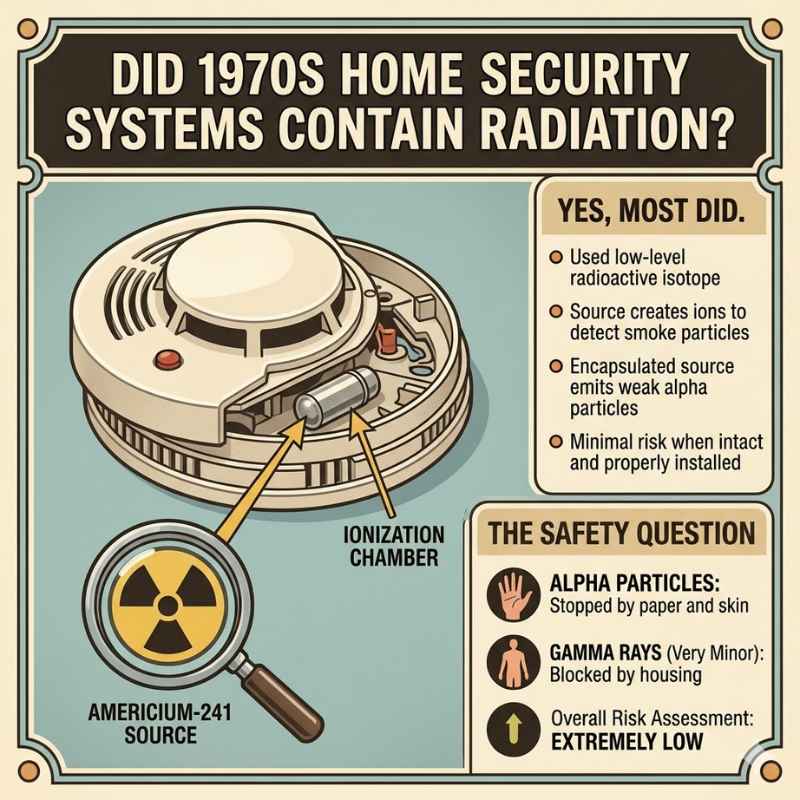
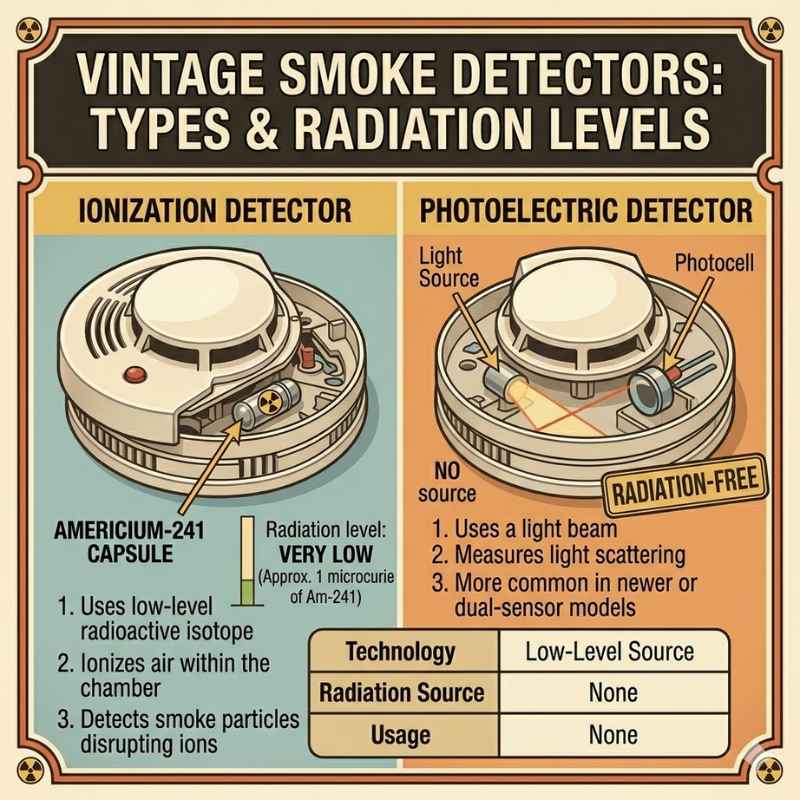
One potential source of confusion could be smoke detectors. Older smoke detectors, particularly ionization smoke detectors, do contain a tiny amount of a radioactive isotope. This isotope is Americium-241.
It’s a very small amount, and it’s safely contained. Its purpose is to ionize the air inside the detector. This creates a small electric current.
Smoke particles disrupt this current, triggering the alarm.
These ionization smoke detectors are very different from security system components. They use radiation intentionally for their function. However, the amount is minuscule.
It’s considered safe. But it’s crucial to distinguish these from security system parts. Security systems simply didn’t need radioactive materials to function.
Another area of confusion might be older CRT televisions or computer monitors. These devices use electron beams to create images on a screen. They do produce very low levels of X-rays as a byproduct.
However, these are generally considered well within safe limits. The glass and shielding in these devices absorb most of it. Again, this is a different technology and purpose than a security system.
It’s also possible that some early, experimental security technologies existed. But the mainstream systems of the 1970s were built with reliable, well-understood electrical and magnetic principles. The goal was to detect intrusion, not to engage in any form of nuclear physics.
The focus for safety in the 1970s for these devices was primarily on electrical safety. Preventing shocks and fires was the main concern. Regulations focused on insulation, grounding, and avoiding short circuits.
Radiation safety standards for consumer electronics, especially those not involving nuclear processes, were not a primary concern for alarm systems.
Real-World Context: Home Environments in the 1970s
Think back to homes in the 1970s. What were common electrical devices? Besides the security systems, there were televisions, radios, record players, lamps, and kitchen appliances.
All of these ran on standard household electricity.
The wiring in homes was also different. Building codes were less stringent in some areas. But even with older wiring, the concern was usually about overheating and fire.
There wasn’t a widespread understanding or concern about electromagnetic radiation from everyday appliances. This is especially true for ionizing radiation.
Home security systems of that era were designed to be robust and reliable using available technology. They were mechanical and electrical marvels of their time. They employed sensors that were powered by electricity and communicated through wires.
Their complexity was in the logic of detecting breaks in circuits or changes in simple sensor states.
The idea of miniaturization and complex solid-state electronics was still developing. So, systems often relied on larger, simpler components like relays and transformers. These are inherently electrical in nature.
They don’t require or produce radioactive emissions.
Consider the environment in which these systems were installed. They were in family homes. The goal was to protect people and property.
Introducing a source of harmful radiation would have been counterproductive and dangerous. Manufacturers were aware of basic safety standards for electrical devices. They aimed to meet those.
If a system had used a radioactive source, it would have been a highly specialized and regulated component. It would have been a significant safety concern. This would have been widely publicized and regulated by agencies like the Atomic Energy Commission (which later became part of the Nuclear Regulatory Commission).
Since there’s no record of such widespread use in alarm systems, it’s safe to assume they weren’t used.
The lack of public or industry discussion about radiation from alarm systems in the 1970s and 1980s also points to their absence. Safety concerns were different then. The focus was on fire, shock, and mechanical hazards.
Ionizing radiation from consumer electronics was a concern mainly for things like older medical equipment or industrial applications.
What This Means for You: Assessing Older Systems
If you have an old 1970s home security system still in place, or you’re considering buying a house with one, you can generally rest easy. The primary concern with these old systems isn’t radiation.
Instead, you should think about:
- Reliability: Older systems can be prone to failure. Wires can degrade. Components can wear out.
- Effectiveness: Technology has advanced significantly. Modern systems offer more features and better detection.
- Connectivity: Many old systems are not “smart.” They can’t connect to your phone or alert you remotely.
- Compatibility: Finding parts or technicians for very old systems can be difficult.
- Electrical Safety: While not radioactive, old wiring or components could pose fire or shock risks if damaged.
The most important thing is to understand that the “radiation” fear is largely unfounded for these specific devices. The technology used was simple, electrical, and magnetic. It did not involve radioactive elements.
If you are still concerned, or if the system is giving you trouble, the best course of action is to consult a qualified security professional. They can assess the system’s condition and advise on whether it’s safe and effective to keep in use. They can also recommend modern alternatives.
It’s always good to be informed about the technology in your home. But it’s also important to rely on credible information and scientific consensus. For 1970s home security systems, the science is clear: they are not radioactive.
Quick Scan: Are 1970s Security Systems Radioactive?
| Component Type | Common 1970s Technology | Radiation Concern (Ionizing) |
|---|---|---|
| Control Panel | Transformers, relays, basic circuits | No |
| Door/Window Sensors | Magnetic reed switches, plunger switches | No |
| Motion Detectors | Ultrasonic sensors, early PIR sensors | No (PIR detects infrared heat, not ionizing radiation) |
| Keypads | Buttons, simple circuits, indicator lights | No |
| Sirens | Electromechanical horns, speakers | No |
| Power Source | Household electricity, sealed lead-acid batteries | No |
When to Be Concerned About Radiation (Generally)
While 1970s security systems are not a source of concern for radiation, it’s wise to know when you should be concerned. This helps put things in perspective.
The main types of radiation that pose significant health risks are forms of ionizing radiation. These can damage DNA in cells. This damage can lead to cancer or other health problems over time.
Sources of significant ionizing radiation include:
- Nuclear Accidents: Events like Chernobyl or Fukushima release large amounts of radioactive particles.
- Nuclear Weapons: Both testing and actual use involve intense radiation.
- Medical Procedures: While essential for diagnosis and treatment, X-rays and CT scans involve radiation exposure. Dosages are carefully controlled and justified by medical benefit.
- Certain Industrial Processes: Some industries use radioactive materials for measurement or sterilization. These are heavily regulated.
- Natural Sources: Radon gas, which can accumulate in homes, is a natural radioactive gas. It’s a significant cause of lung cancer, especially in basements.
It’s important to distinguish these from the low-level, non-ionizing radiation emitted by many modern electronic devices. The energy levels and the mechanisms of interaction with the body are completely different.
For example, radio waves from your cell phone or Wi-Fi router are non-ionizing. They are a form of electromagnetic radiation. They can cause heating effects at very high intensities.
But at the levels used in consumer devices, there is no evidence of harm. This is based on decades of research and regulatory reviews by bodies like the FCC.
The key takeaway is that radiation is a broad term. The context and the type of radiation matter immensely. A security system from the 1970s simply doesn’t fit into the category of devices that emit harmful radiation.
Myth vs. Reality: Radiation in Older Tech
Myth
All old electronics are radioactive.
Reality
Most old electronics used standard electrical and magnetic principles. Only specific devices like older smoke detectors or CRT TVs had minimal, well-understood radiation outputs, usually well within safety limits.
Myth
If it’s electrical, it must emit radiation.
Reality
Electricity creates electromagnetic fields. These are different from ionizing radiation. Most home electronics emit very low levels of electromagnetic fields, with no proven health risks.
Personal Experience: The Old House Project
I remember helping my aunt and uncle move into their first home. It was a charming, rambling house built in the late 1960s. It had been empty for a few years.
When we went to the basement to check the fuse box, we noticed an old, clunky alarm panel mounted on the wall. It was a relic from a bygone era.
My uncle, being a bit of a tinkerer, was curious about it. He touched the metal casing. “Wonder if this thing still works,” he mused.
He even joked, “Bet it’s got some kind of radioactive goo inside keeping it powered!” We all laughed. It seemed like such an old piece of technology.
Later, while cleaning out a closet, I found a dusty manual for the alarm system. It was filled with diagrams of wires and switches. It talked about magnetic contacts and a “bell” (which was the siren).
There was no mention of anything radioactive. It was all about circuits and connections. It explained how a break in the circuit triggered the alarm.
I showed the manual to my uncle. We looked at the control panel again. It had a large transformer inside, a few relays, and a battery backup.
It was all very standard electrical stuff. It really drove home that these systems were built using simple, reliable electrical principles. The idea of them containing dangerous radioactive materials just didn’t fit with the technology of the time or the components we were seeing.
It was a relief to know we didn’t have to worry about that specific old gadget.
When is it Normal and When to Worry (About Old Systems)
For the specific question of radiation in 1970s home security systems, it’s normal to not worry. The technology simply didn’t employ radioactive materials. It’s a reassuring fact.
However, when you encounter an old security system, it’s normal to have other concerns. These are related to its age and function.
When it’s Normal to Keep an Old System (with caution):
- If it’s still functional and passes a thorough inspection by a professional.
- If the house is being rented, and the landlord has maintained it.
- If you’re on a very tight budget and need a basic system for now.
When to Worry About an Old System:
- It’s non-functional: An old, dead system is just taking up space.
- It’s unreliable: False alarms or failure to detect an intrusion are serious issues.
- It’s a fire or shock hazard: Damaged wires, old batteries, or faulty components are dangerous.
- It lacks modern features: No remote access, no smartphone alerts, no integration with other smart home devices.
- It’s no longer supported: Parts and service may be impossible to find.
The actual “worry” regarding an old system should focus on its electrical safety and its ability to do its job effectively in today’s world. Radiation is not on that list of worries for these systems.
Quick Fixes & Tips for Older Homes
If you have an older home with an old security system, here are some tips. These focus on safety and modernizing rather than dealing with radiation.
Tips for Older Home Security Systems
- Get it Inspected: Have a professional security company check the system. They can identify hazards and tell you if it’s worth keeping.
- Consider Upgrading: Modern wireless systems are often easier to install and offer much better features.
- Test Regularly: If you decide to keep an old system, test it often. Make sure sensors are working and the alarm sounds.
- Check Battery Backup: Old batteries can leak or fail. Replace them as recommended by a technician.
- Understand Your System: Know how to arm and disarm it. Know what the different beeps or lights mean.
The biggest “fix” for an old system is often
For instance, many modern systems use Wi-Fi or cellular connections. This allows you to monitor your home from your phone. They can send alerts to your devices immediately.
They also integrate with smart home devices like cameras and smart locks.
Frequently Asked Questions
What kind of radiation do old smoke detectors use?
Click to expand
Older ionization smoke detectors use a very small amount of Americium-241. This is a radioactive isotope. It’s used to ionize the air inside the detector.
Smoke particles disrupt this ionization, triggering the alarm. The amount is tiny and considered safe.
Are CRT televisions radioactive?
Click to expand
CRT televisions produce very low levels of X-rays. This is a byproduct of the electron beam. However, the glass screen and internal shielding absorb most of this radiation.
The levels are well within safety limits for home use. They do not emit ionizing radiation comparable to a nuclear source.
Do wireless security systems emit harmful radiation?
Click to expand
Wireless security systems use radio waves to communicate. Radio waves are a form of non-ionizing radiation. Regulatory bodies like the FCC set limits for these emissions.
Current scientific consensus is that these levels are safe for home use and do not cause harm.
What is the difference between ionizing and non-ionizing radiation?
Click to expand
Ionizing radiation has enough energy to remove electrons from atoms. This can damage cells and DNA. Examples include X-rays and gamma rays.
Non-ionizing radiation has less energy. It can cause heating but not cell damage. Examples include radio waves, microwaves, and infrared light.
Should I be worried about Wi-Fi routers emitting radiation?
Click to expand
Wi-Fi routers emit radio waves, which are non-ionizing radiation. While they are always on, the power levels are very low. Extensive research has not found evidence of health risks associated with typical Wi-Fi exposure levels.
They are considered safe.
How can I tell if my old home has any radiation concerns?
Click to expand
For 1970s home security systems, there’s no radiation concern. If you’re worried about other potential radiation sources in an older home, such as radon gas, you can get simple test kits from hardware stores. For specific, high-level concerns, professional testing might be needed.
Are modern alarm systems safer than old ones?
Click to expand
Modern alarm systems are generally safer and more effective. They use updated technology with stricter safety standards. They also offer features like remote monitoring and integration, which improve overall security and user experience.
They do not use radioactive components.
Conclusion
It’s completely understandable to wonder about the safety of older technology. The idea of radiation can be a big worry. But when it comes to 1970s home security systems, you can put your mind at ease.
These devices were built using electrical and magnetic principles. They did not contain or emit harmful radioactive materials. Your main concerns should be their age, reliability, and effectiveness compared to modern solutions.